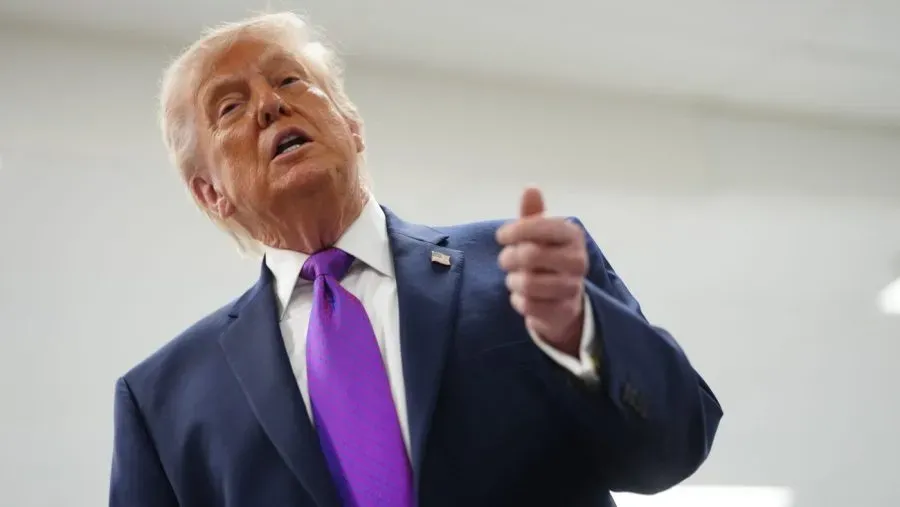
A Strategic Oil Reserve release announced from a campaign stage turned energy policy into part of Trump’s political performance. The order drew scrutiny on March 12, 2026, because emergency oil tools were being presented from a political stage.
Reserve Barrels Become a Campaign Prop
Hebron, Kentucky, felt the full weight of a presidential campaign visit Wednesday when Donald Trump arrived at Verst Logistics to a crowd of thousands. The atmosphere, a mixture of political fire and physical exhaustion, peaked when a supporter collapsed on stage during the president's remarks. Dr. Mehmet Oz, who serves as the administrator for the Centers for Medicare and Medicaid Services, broke from his position behind the podium to assist first responders. Oz, a trained cardiothoracic surgeon, kneeled over the woman for several minutes while the president paused his speech to allow the medical team space. Security personnel eventually carried the attendee to a cooling area while the crowd chanted in support. It was a visceral scene that momentarily slowed the momentum of a high-energy event. The woman is expected to recover. Once the medical emergency subsided, Trump pivoted sharply to national security and energy policy. He confirmed plans to tap the Strategic Petroleum Reserve to combat energy costs. High prices driven by the ongoing conflict in Iran forced the White House to act. Trump claimed he had filled the reserves to capacity during his previous term, though market analysts at Bloomberg and Reuters note the current depletion levels are nearing historical lows.
Fuel Prices Still Carry Political Weight
The president told local reporters in nearby Ohio that the release would begin immediately to provide relief at the pump. He characterized the move as a necessary strike against foreign aggression and domestic inflation. Critics argue that utilizing the emergency supply for price stabilization is a short-term fix that leaves the nation vulnerable to future supply shocks. Kentucky Representative Thomas Massie became the primary target of the president's political ire later in the evening.
Trump described the Republican congressman as a disaster because of his frequent votes against administration priorities. Massie has long maintained a libertarian-leaning independence, often standing as the lone vote against bipartisan spending bills or foreign aid packages. The president's rhetoric suggests a deepening rift within the Republican party as the 2026 midterm season approaches. Massie's refusal to align with the White House on key policy initiatives has turned a former ally into a frequent punching bag at these massive gatherings.
Supporters in the warehouse cheered the attacks, reflecting a preference for absolute loyalty over legislative nuance. The Strategic Petroleum Reserve remains a contentious tool of American diplomacy. Established in 1975 to mitigate the impact of the Arab oil embargo, the reserve was designed to hold up to 714 million barrels. Using it today involves complex logistics and international market signaling.
Emergency Tools Have Limits
Trump's announcement comes as the war in Iran threatens shipping lanes in the Strait of Hormuz, where a significant portion of the world's daily oil supply passes. Oxford Economics analysts said a 15 million to 30 million barrel release might calm traders briefly, but it would not remove the physical supply risk behind the price spike. Because global demand remains high, the impact of US domestic releases often gets swallowed by international price fluctuations. The president insists that American energy independence must be the priority, even if it requires exhausting reserves meant for catastrophic emergencies.
Energy experts at Oxford Economics warn that a release of 15 million to 30 million barrels may only provide a temporary psychological floor for prices.
Rep. Massie responded to the verbal attacks by citing his commitment to the Constitution and fiscal responsibility. He has often pointed out that his votes against the administration are rooted in a desire to reduce the national debt. That explanation rarely satisfies the base at a Trump rally.
The president spent several minutes detailing Massie's legislative record, specifically highlighting instances where the congressman slowed down fast-tracked bills. Such public shaming is a warning to other Republicans who might consider deviating from the executive branch's agenda. The strategy has historically been effective in purging dissenting voices from the GOP, though Massie's district has remained loyal to him despite past confrontations with the White House. Economic indicators show that voters are primarily concerned with the cost of living.
The Reserve Is Not a Sound Bite
The reserve is supposed to be an emergency instrument, not a stage prop. Using it from a campaign setting blurs the line between public energy management and political theater, especially when the underlying supply risk remains unresolved.
A release can soften prices for a moment, but it cannot reopen a threatened shipping lane or create durable production capacity. Trump can turn the announcement into applause, but barrels do not become strategy just because they are mentioned at a rally. The market will eventually price the difference.