Trump’s Kentucky victory claim over Iran blended campaign theater with unresolved questions about what the conflict actually cost. The rally line mattered on March 12, 2026
Victory Language Meets Campaign Reality
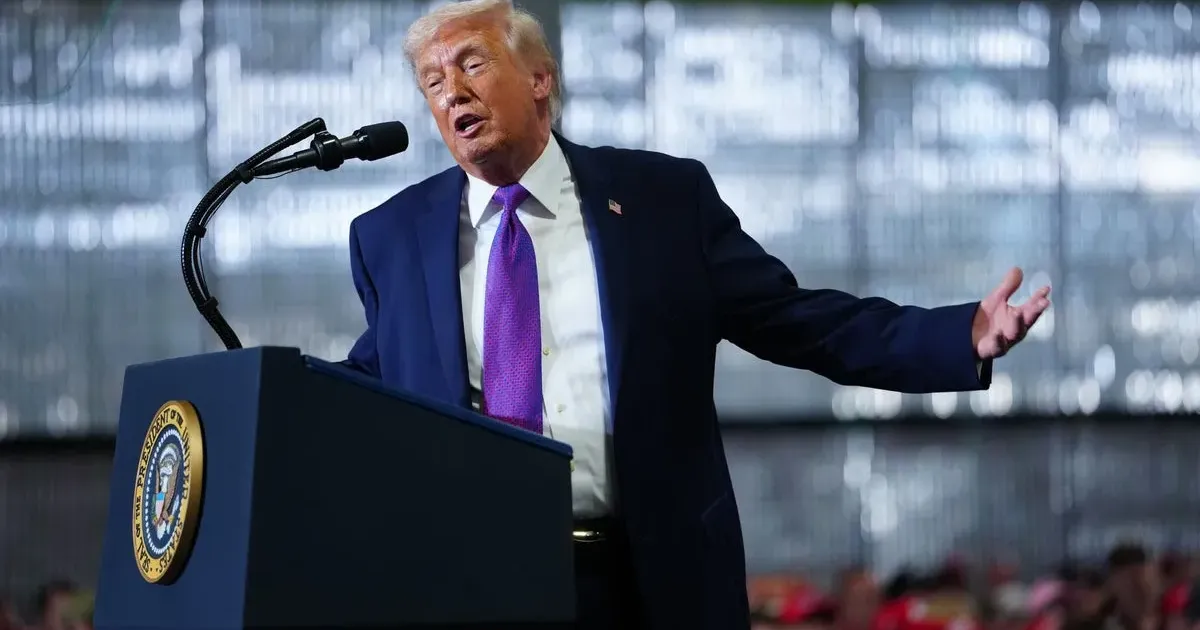
Standing before a raucous crowd in Kentucky, President Donald Trump declared an end to the thirteen-day conflict with Iran. His proclamation came during a campaign stop aimed at unseating Representative Thomas Massie, a long-time critic within the Republican party. "We've won," Trump told supporters on Wednesday. He claimed the United States military effectively neutralized the Iranian threat by destroying over fifty naval vessels in less than two weeks. This assessment surprised many in Washington, as the Pentagon has yet to confirm such extensive losses for the Iranian navy. Small flags waved in the humid gymnasium air as the president boasted about the speed of the campaign. Military commanders reportedly provided the president with aggressive options early in the conflict. Trump recounted a conversation with an unnamed general who suggested that sinking Iranian warships would be "a lot more fun" than smaller-scale tactical strikes. Military operations intensified quickly, leading to the reported destruction of dozens of vessels. Yonhap News reports that Trump viewed these naval victories as the definitive conclusion to the hostilities. He characterized the campaign as a total success, suggesting that Iran is no longer capable of projecting power in the Persian Gulf. Critics argue that sinking patrol boats and frigates does not equate to the total defeat of a nation with a sophisticated missile program and deep-seated regional proxies.
Kentucky Crowd Gets a War Message
Questions about the human cost of this victory surfaced quickly. Reports from Al Jazeera highlight a devastating strike on an Iranian school that resulted in high civilian casualties. Witnesses and local officials claim the United States military was responsible for the blast. Trump denied any knowledge of these findings during his Kentucky speech, because foreign policy claims were being repackaged for a campaign crowd.
He stated that he had not seen reports confirming American involvement and called for an investigation into the matter. Such denials contrast with growing evidence from international observers who have documented the wreckage at the site. This situation creates a diplomatic rift, as several European allies join the call for an independent inquiry into the incident. The math doesn't add up.
While the president celebrates a swift victory, the discrepancy between his claims and the reality on the ground remains wide. Defense analysts suggest that destroying fifty ships in thirteen days would require an intensity of naval warfare not seen since World War II. Bloomberg's sources within the Department of Defense have not verified the specific number of fifty ships, though they acknowledge significant damage to the Iranian fleet. Reuters reports that while some major vessels were hit, many of the sunken craft were likely smaller speedboats used by the Islamic Revolutionary Guard Corps.
Claims Need Evidence
Trump's insistence on a total win appears to prioritize political messaging over military nuance. Kentucky voters gathered not just to hear about war, but to witness a political execution. Trump spent a significant portion of his time attacking Representative Thomas Massie, whom he labeled a "nemesis" to the American people. Massie has long been a thorn in the side of the administration, often voting against major spending bills and foreign interventions.
By linking the Iranian "victory" to the need for a more compliant Congress, Trump turned a national security update into a campaign tool. Voters in the room seemed more energized by the attacks on Massie than by the complexities of Persian Gulf geopolitics. Politicians often use foreign conflicts to shore up domestic support, but the speed of this declaration is unusual. It is a gamble.
Skeptical voices in the intelligence community worry that declaring victory too early could embolden Iranian sleeper cells or proxy groups like Hezbollah. Earlier Middle East wars show that the first conventional phase can be the easiest part. Once the main naval and air assets are degraded, the struggle usually shifts to asymmetrical tactics. Trump dismissed these concerns, emphasizing that the sheer force of the American response would deter any future aggression.
Past conflicts in the Middle East demonstrate that the conventional phase of war is often the easiest part.
The Rally Was Not a Situation Room
A campaign crowd can cheer the word victory, but it cannot verify battlefield facts, diplomatic consequences or regional deterrence. That is the problem with importing war language into a rally: applause starts replacing evidence.
Trump's Kentucky line may work as theater, but war is not closed by a punchline or a crowd chant. Victory requires proof across military outcomes, civilian harm, regional retaliation and the bill taxpayers will carry afterward. A rally is built to flatten complexity. A situation room is supposed to confront it. Confusing the two is how countries talk themselves into triumph before the consequences arrive.