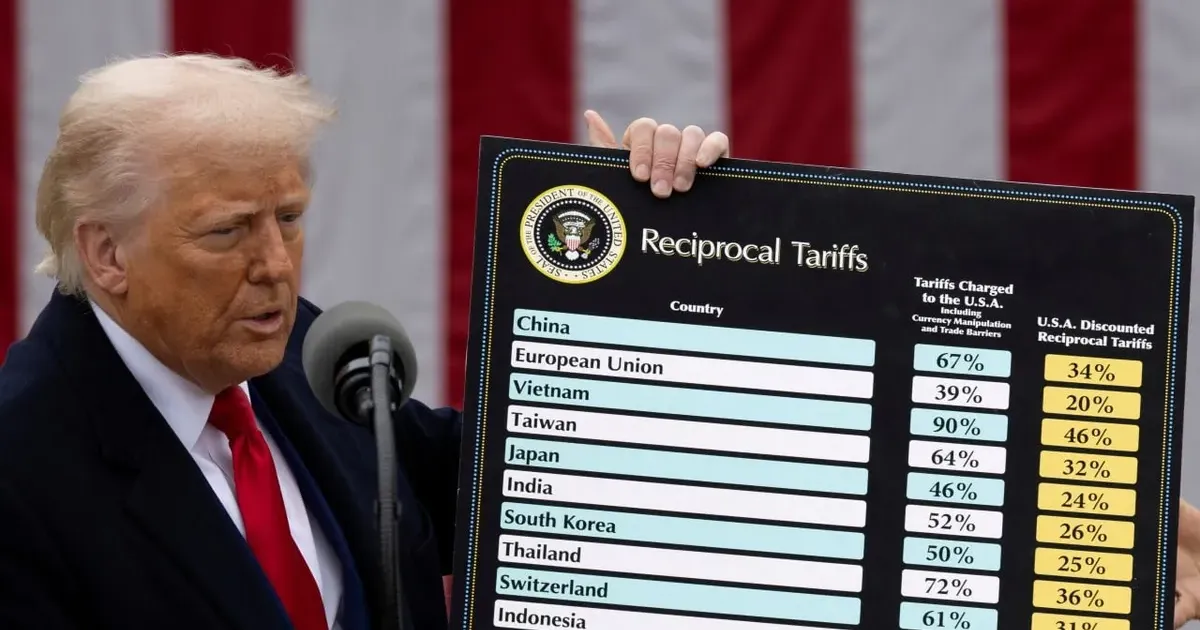
Washington took its first steps to reclaim billions in lost trade revenue on Wednesday. The revenue argument returned to the center of trade policy. Companies began watching the process before any tariff decision. By March 12, 2026, the probes had revived a wider trade-war argument. The Trump administration initiated a series of investigations into foreign manufacturing practices, focusing heavily on China and the European Union. These probes represent a strategic attempt to circumvent a recent judicial setback that paralyzed the White House trade agenda. Financial markets reacted with immediate volatility as traders weighed the potential for a renewed cycle of global protectionism. The global trade order is fracturing.
Legal challenges brought the administration's previous tariff regime to a halt just weeks ago. The Supreme Court delivered a bruising blow to the executive branch in February, ruling that the administration overstepped its authority by declaring a broad economic emergency to justify blanket levies. That decision effectively wiped out hundreds of billions of dollars in projected federal income. Treasury officials now face a massive fiscal hole that they intend to fill by reviving tariffs under narrower, sector-specific legal authorities. This strategy shifts the focus from sweeping national security claims to documented market distortions in foreign manufacturing hubs. This investigation targets specific subsidies and labor practices that the White House claims give foreign firms an unfair advantage over American producers. This new legal theory aims to satisfy the Supreme Court's demand for more granular justification before the executive branch can impose taxes on imports.
Beijing and Brussels find themselves in the crosshairs once again. While Bloomberg reports that the initial focus remains on heavy industry, sources within the Financial Times indicate a broader net is being cast. The European Commission has already begun preparing retaliatory measures to protect its automotive and aerospace industries. European officials argue that the new US probes are a thin veil for protectionism that violates World Trade Organization rules. Beijing has responded with similar rhetoric, promising to defend its interests against what it describes as unilateral harassment. The manufacturing sectors under scrutiny include semiconductors, electric vehicle components, and high-grade steel production.
Losing the legal battle in February created a significant budgetary crisis for the administration. Trump and his team have made it clear that they are seeking to replace the hundreds of billions of dollars in lost revenues. Federal planners had already integrated the previous tariff income into their long-term spending projects. Removing those funds forced the White House to find alternative legal pathways to tax foreign goods. Trade experts suggest that the new investigations will rely on Section 301 of the Trade Act of 1974, which grants the president power to respond to unreasonable or discriminatory foreign trade practices. By focusing on specific manufacturing sectors, the administration hopes to build a more resilient legal case that can survive future scrutiny from the high court.
Retaliation remains certain.
Manufacturing data from the first quarter of 2026 shows a cooling global economy. Adding new tariffs to this environment could accelerate a downturn in international trade volumes. Economists at several major banks have lowered their growth forecasts for the year, citing the uncertainty surrounding US trade policy. The South China Morning Post noted that the timing of these probes suggests a political urgency to demonstrate strength to domestic voters. American manufacturers remain divided on the issue. Some domestic steel and tech firms welcome the protection, but many others fear the rising cost of imported components will make their finished products less competitive on the world stage.
The European Conflict
Brussels remains particularly frustrated by the administration's persistent focus on European exports. Relations between the US and the EU were already strained by disagreements over green energy subsidies and digital services taxes. These new investigations add another layer of friction to an already tense partnership. European trade ministers held an emergency session on Thursday to discuss a unified response. They are considering a range of counter-tariffs that would target American agricultural exports and luxury goods. Such a move would mirror the trade skirmishes of 2018, though the economic stakes in 2026 are arguably much higher given the fragile state of global supply chains.
Supply chain managers are now scrambling to adjust their logistics. Companies that spent the last year re-orienting their production toward European or Chinese partners may face sudden cost increases. Logistics firms report a surge in inquiries about moving production to neutral third parties like Vietnam or Mexico to avoid the impending levies. Still, the administration has signaled that it may expand these probes to any nation that it perceives as a conduit for Chinese or European manufacturing interests. Such an aggressive posture suggests that no major trading partner is entirely safe from the White House's gaze.
Impact on Consumers and Markets
Price increases for American consumers appear inevitable if the new tariffs are enacted. Analysts at Goldman Sachs suggest that the previous tariff rounds contributed sharply to domestic inflation, and these new measures likely will follow the same pattern. Items ranging from consumer electronics to heavy machinery will become more expensive at the point of sale. The administration argues that these short-term costs are a necessary price for long-term industrial independence. Yet, the political reality of rising prices could complicate the president's agenda as the 2026 midterm elections approach.
Market volatility remained high through the end of the trading day. Tech stocks, which are particularly sensitive to Chinese supply chain disruptions, led the decline on the Nasdaq. Industrial firms with heavy export exposure also saw their valuations drop as investors braced for foreign retaliation. The White House has not yet provided a specific timeline for when the new tariffs might go into effect. Standard trade investigations can take months to complete, but officials have hinted at an expedited process. They want to restore the flow of revenue as quickly as possible to avoid a deepening deficit.
Trade War Risk
The probes matter because they revive trade conflict through process rather than instant tariffs. Investigations give the administration time to frame China and Europe as revenue and leverage problems before new measures arrive.
Businesses will watch the sequencing closely. Even before formal penalties, supply chains may adjust orders, pricing and contracts if they believe another tariff cycle is becoming likely.
Sources
Give Feedback
How was this article?