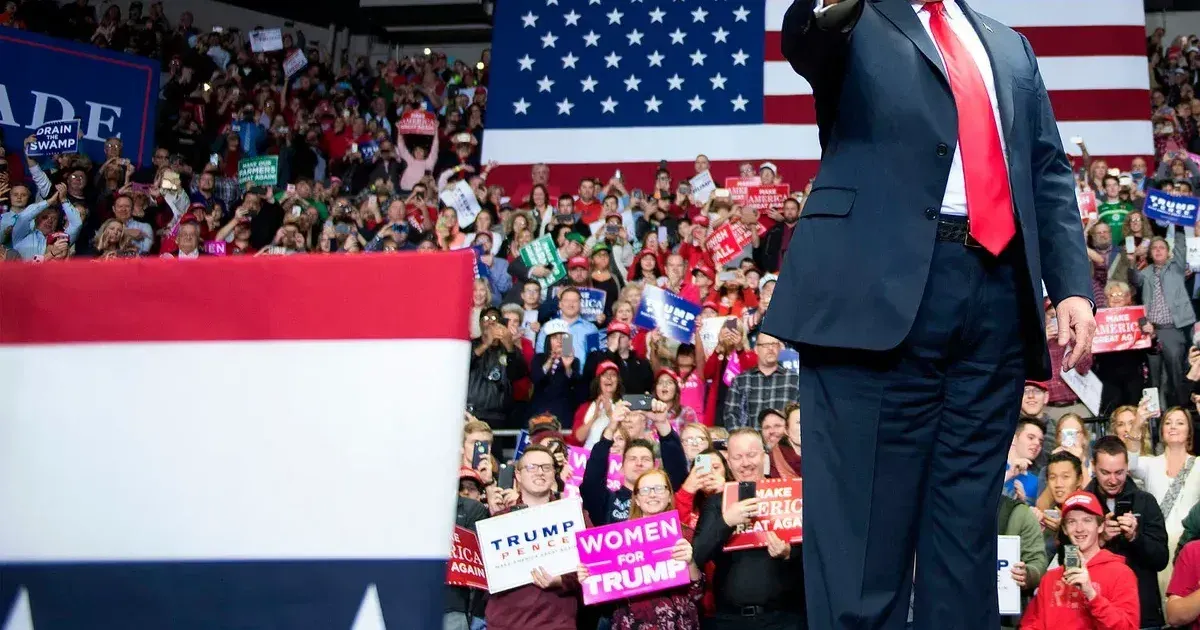
The races are small on the calendar but large inside Republican politics. Indiana's Republican primaries are testing whether President Donald Trump can punish state lawmakers who resisted his redistricting push. On May 5, 2026, voters were choosing nominees in races that have turned normally low-profile state Senate contests into a referendum on loyalty, party discipline and control of congressional maps.
The fight began after Indiana Republican senators refused to redraw the state's congressional map in 2025. Trump wanted a mid-decade map that could strengthen the GOP's House position, but more than half of the Republican senators sided against the effort. Several of those lawmakers are now facing Trump-backed primary challengers.
That makes the Indiana contests more than local legislative races. They are a test of whether Republican officials can defy Trump on a procedural issue and still survive inside the party. The answer will matter for future redistricting fights, especially if national leaders continue trying to squeeze more seats from state maps between census cycles.
Indiana Tests Trump Discipline
Trump's allies have framed the targeted senators as obstacles to a broader Republican strategy. The incumbents have a different argument: redistricting is traditionally tied to the census cycle, and abandoning that norm for immediate advantage can damage state-level governance. The primary campaign has turned that institutional dispute into a loyalty test.
AP reported that seven state senators faced Trump-backed challengers after opposing the redistricting push. The races are small compared with a presidential contest, but their political meaning is large. If the incumbents lose, other Republican lawmakers will read the result as a warning about crossing the White House.
The redistricting dispute also matters because it was not a conventional policy disagreement over taxes or spending. It was a fight over the rules of representation itself. When a president asks state lawmakers to redraw maps between census cycles, the request carries national consequences even if the vote happens inside a statehouse chamber.
If they survive, the lesson changes. It would show that even in a Trump-dominated party, local lawmakers can still rely on district relationships, constituent service and skepticism toward Washington pressure. Either way, the results will clarify how far presidential influence reaches into state legislative primaries.
Ohio Adds a Wider 2026 Test
Ohio's primary calendar adds another layer to the Midwest political picture. Voters there are sorting through races that will shape the 2026 general election, including statewide and congressional contests. The state remains central to Republican strategy, but Democrats see openings where internal GOP fights and national policy debates create voter fatigue.
The Ohio story is not identical to Indiana. Indiana is about direct retribution over redistricting. Ohio is more about how candidates position themselves for a November electorate after surviving a primary. That distinction matters because primary rhetoric can energize the base while creating liabilities in suburban or swing areas.
For both parties, the region is a stress test. Republicans want to show that Trump's agenda can mobilize voters without fracturing the coalition. Democrats want to show that Republican infighting and dissatisfaction with Washington can produce competitive races in places the GOP expects to hold.
The early lesson is that primary politics now reaches deeper into state government than it once did. A vote cast by a state senator in Indianapolis can become a national campaign issue months later, funded by outside groups and judged through the lens of loyalty to the president.
That dynamic can change how lawmakers behave before controversial votes. If primary retaliation becomes predictable, state legislators may begin calculating not only whether a map is legal or popular locally, but whether opposing it will trigger a national campaign against them. That is the pressure Indiana is measuring.
Indiana Will Measure the Cost of Defying Trump
The most important question is not whether Trump can influence a headline race. He can. The harder question is whether he can make state lawmakers fear political extinction for resisting him on redistricting. Indiana's results will provide one of the clearest answers so far. If the challengers win, Trump will gain a powerful enforcement tool for future state-level fights. If the incumbents hold on, Republican legislators elsewhere may conclude that redistricting independence is still politically survivable. That would matter well beyond Indiana, because control of the U.S. House increasingly depends on state-by-state map battles.
Ohio, meanwhile, will show whether the party can move from primary discipline to general-election persuasion. A candidate who wins by proving loyalty in May still has to broaden the case by November. That is the real Midwestern test: whether Republican energy becomes durable turnout or a narrower coalition that gives Democrats room to compete. The Midwest remains decisive because small shifts in turnout can change statewide races and congressional control. That is why these primaries matter beyond Tuesday night. They will help campaigns decide whether to emphasize loyalty tests, local records or broader electability in the months ahead. That choice will shape the fall campaign.