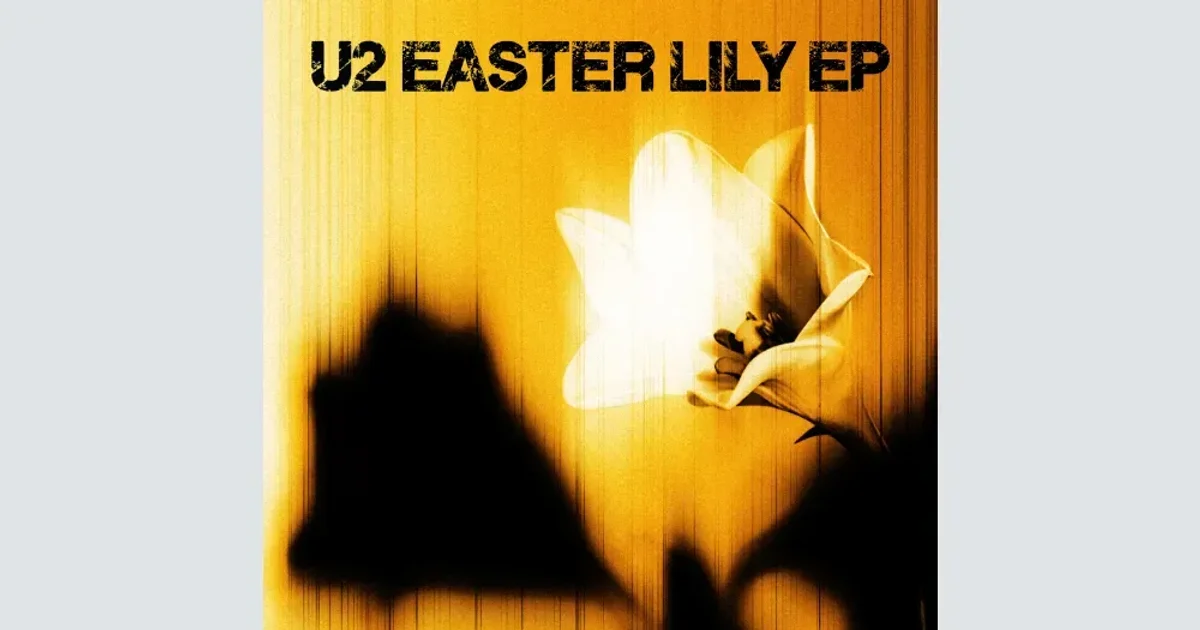
U2 musicians delivered a surprise to the global music community on April 3, 2026, by releasing a six-song collection titled Easter Lily across all major streaming platforms. Bono, The Edge, Adam Clayton, and Larry Mullen Jr. chose the stroke of midnight as Good Friday began to announce their second short-form project of the calendar year. Every track arrived without the typical fanfare or months of promotional cycles that defined the band's previous studio efforts over the last four decades.

Digital storefronts and streaming services updated their catalogs instantly to reflect the new release. Sources at Variety confirmed that the band had been working on this material in relative secrecy, marking a serious increase in their creative output compared to the previous decade. Listeners noticed the shift immediately, as the band had not released a full batch of newly written original songs since 2017. Recent years focused instead on a high-profile residency in Las Vegas and re-imagined versions of their back catalog.

U2 Abandons Traditional Album Rollout Strategy

Record industry observers noted that the surprise release model reflects a departure from the band's history of huge, global marketing campaigns. Rolling Stone reported that the spiritual nature of the songs influenced the decision to release them during the Easter weekend. By bypassing the traditional press junket, the group forced the focus onto the music itself rather than the spectacle of the release. Radio stations received the lead tracks only minutes before they went live for public consumption.

Initial data from streaming providers indicates a surge in traffic centered on the project's opening tracks. High-resolution audio files became available to subscribers at the same time as standard versions, catering to an audience that prioritizes sonic fidelity. Many critics point out that this is the first time the band has issued two separate EPs within the first four months of a year. Production credits reveal a mix of long-time collaborators and newer engineers who emphasize a raw, less polished sound than 21st-century U2 records usually feature.

Independent analysts suggest the band is responding to a landscape where frequency of content outweighs the impact of a single monolithic album. Smaller, more frequent releases allow the group to stay in the public consciousness without the pressure of a four-year wait between projects. Fans in Dublin and London reported seeing minimal digital billboards appearing only after the files were live on servers. Marketing spend for the project appears to be centered entirely on social media engagement and direct-to-fan communication.

Spiritual Themes and Symbolic Release Timing

Bono commented on the specific nature of the songs during a brief statement provided to various news outlets. He explained that the material was born from a desire to address the current global climate through a lens of faith and personal reflection.

It’s a time that has our band digging deeper into our lives to find a wellspring of songs to try meet the moment.

Lyricism across the six-song EP touches on themes of resurrection and historical Irish symbolism, particularly the Easter Lily itself.

The flower has long been a symbol of remembrance and hope in Irish culture, and the band leans into these associations throughout the project. Many listeners have identified references to the 1916 Easter Rising, though the band has not confirmed specific political motivations for the lyrics. Acoustic guitars and heavy reverb dominate the instrumentation, providing a somber yet hopeful tone.

Spiritual imagery has been a staple of the band's identity since their formation in the late 1970s. This latest effort, however, feels more intimate and less intended for the stadium-sized audiences they usually attract. Recording sessions for these tracks reportedly took place in various locations including Dublin and the South of France. Local residents near their recording studios had noted frequent late-night activity but could not confirm the nature of the project until today. The final masters were finished only weeks before the release date.

Evolution of Band Output Since Sphere Residency

Recent performances at the Sphere in Las Vegas seemed to reinvigorate the band's desire to write new material. Musicians often find that long residencies provide the stability needed to experiment with new sounds and themes. Larry Mullen Jr., who missed several live performances due to health issues, appears in the production credits, signaling a return to the full quartet lineup. His drumming provides the rhythmic backbone that some critics felt was missing from their experimental electronic phases.

Collaborators on the project include several young producers known for their work in the indie-rock and folk scenes. This choice suggests a desire to move away from the hyper-produced pop sensibilities that characterized their mid-2010s work. Songs like the title track feature minimal overdubs and a focus on live-in-studio energy. Engineering teams focused on capturing the natural acoustics of the rooms where the band tracked the instruments. The result is a sound that feels more like a rehearsal tape than a polished commercial product.

Traditional physical formats like vinyl and CD have not yet been announced for this specific EP. Industry insiders believe the band is testing a digital-only distribution model to see how it affects their long-term chart performance. Older fans might find this frustrating, but the band seems focused on the immediate availability of the songs. Pre-orders for a potential physical collection containing both 2026 EPs may appear later in the year. Distribution rights for the digital files remain under their enduring partnership with Universal Music Group.

Industry impacts of the Short Form Release Model

Streaming algorithms favor artists who release music frequently instead of in four-year intervals. U2 is one of the few legacy acts with the cultural capital to command attention through a surprise drop without a lead single. By releasing six songs at once, they provide enough content to satisfy their hardcore base while remaining accessible to casual listeners. Music journalists have noted that the 2017-2026 gap was the longest the band had gone without releasing new original material. This sudden burst of productivity suggests an enormous backlog of songs from the last decade is finally being cleared.

Financial implications for this strategy are meaningful as the band maximizes its royalties through high-volume streaming. $11 billion was the estimated total value of the digital music market last year, and legacy acts are increasingly fighting for their share of that revenue. Surprise releases eliminate the risk of leaks that can happen during long lead times for physical manufacturing. Every track on the EP has already entered the top charts in several European markets. The band maintains total control over the narrative by speaking directly to their audience through their website.

Cultural critics argue that the moves away from the album format are a fundamental change in how veteran bands see their legacy. Instead of one major statement every few years, they are providing a continuous stream of work. The approach allows them to pivot their sound more quickly in response to audience feedback. The Easter Lily project is a test case for whether a band of U2's stature can thrive in a marketplace dominated by younger, more prolific artists. Early indicators suggest the band's name recognition still carries immense weight across all demographics.

The Elite Tribune Strategic Analysis

Why has a band that once obsessed over the global ubiquity of a single album now retreated into the fragmented world of the six-song EP? The answer lies in the harsh reality of the streaming era, where a legacy act must either adapt or become a museum piece. U2 is making a calculated move to stay relevant by abandoning the prestige of the "Album of the Year" hunt in favor of raw, frequent engagement. By releasing Easter Lily as a surprise, they bypass the cynical critiques that usually accompany their large marketing machines.

The band is finally acknowledging that their audience no longer has the attention span for a 12-track narrative arc. It is not a creative failure, but a masterstroke of survival in a market where the algorithm is king. By focusing on spiritual, somber material for a Good Friday release, they are also reclaiming their identity as the thinking person's rock band. They are moving away from the shiny, Apple-integrated spectacles of the past and toward something that feels authentic, even if it is equally calculated. The question is no longer about whether the songs are hits, but whether the band can remain a constant presence in the digital feed.

Legacy acts who ignore this shift do so at their own peril. Bono and his team understand that in 2026, the only way to hold onto power is to never stop talking. The EP format is the perfect vessel for a band that has everything to say but knows the world is only half-listening. It is the new blueprint for veteran survival.