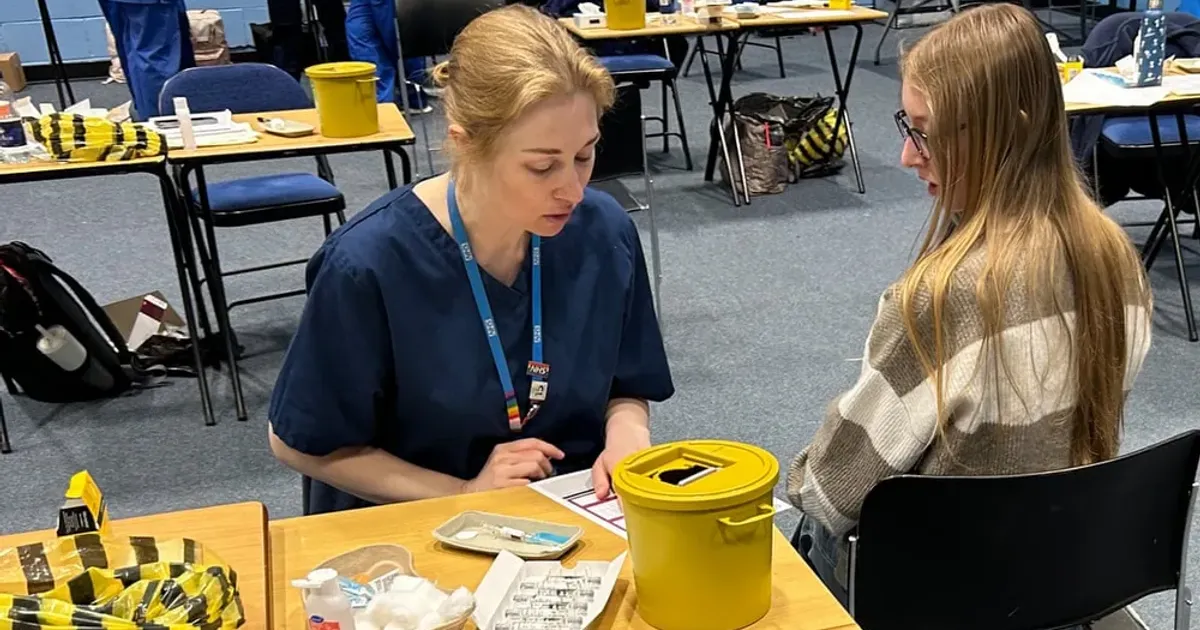
UK Health Security Agency officials confirmed on March 23, 2026, that medical teams detected no new meningitis cases linked to the Kent outbreak over the last twenty-four hours. Data released at midday on Sunday established a baseline of 20 cases that remains unchanged as of Monday morning. Laboratory staff at regional diagnostic centers continue to monitor the situation while processing samples from suspected patients who presented with symptoms over the weekend. Clinical teams in South East England maintain high alert levels to prevent a secondary wave of transmission through close-contact networks.

Health investigators are currently managing 9 cases classified as under investigation because of preliminary symptom alignment with the confirmed cluster. These individuals are isolated in specialized infectious disease wards while waiting for definitive polymerase chain reaction results to confirm the presence of Neisseria meningitidis. Preliminary findings indicate that most of these patients were identified through aggressive contact tracing conducted in the Maidstone area. Surveillance protocols require at least two negative tests before an individual is cleared from the suspected list.

Surveillance data suggests the initial surge of infections has reached a plateau.

Meanwhile, the UK Health Security Agency noted that the stability in case numbers does not equate to the total eradication of the threat within the community. Medical experts emphasized that the bacteria often colonizes the nasopharynx of healthy carriers before causing invasive disease in more vulnerable hosts. Such carriers can unknowingly spread the pathogen through respiratory droplets or saliva during social interactions. Local health boards have distributed thousands of leaflets detailing the early warning signs to schools and universities across the region.

Kent Health Surveillance and Case Management

Local hospitals within the Maidstone and Tunbridge Wells NHS Trust have sustained a high readiness posture despite the pause in confirmed transmission reports. Intensive care units remain at 85 percent capacity to ensure that any sudden influx of patients with meningococcal septicemia can receive immediate life-saving intervention. Clinical protocols for this outbreak involve the administration of high-dose intravenous antibiotics within thirty minutes of a suspected diagnosis. Quick action greatly reduces the risk of long-term neurological damage or limb loss in severe instances of the infection.

But the UK Health Security Agency warned that the incubation period for this bacterial strain allows for a delayed appearance of symptoms in exposed individuals. Most people develop signs within three to seven days of exposure, but the window can extend to ten days in rare circumstances. To that end, health officials have instructed everyone who attended specific social events in early March to remain vigilant for symptoms like photophobia and hemorrhagic rashes. Public health teams have already contacted over four hundred individuals identified as high-risk through electronic ticketing data from local venues.

For one, the clinical complexity of distinguishing meningitis from severe seasonal influenza often complicates early reporting metrics in the United Kingdom. Patients frequently describe a prodromal phase consisting of lethargy and muscle aches before the classic triad of fever, neck stiffness, and altered mental status appears. General practitioners in the South East have been granted emergency authority to refer patients directly to specialized screening centers without standard wait times. This bypass mechanism aims to catch invasive cases before the onset of life-threatening shock.

We could still see cases continuing to come in, we need to keep an eye on those.

So the regional health authority has maintained its expanded testing capacity through the end of the month. Mobile diagnostic units originally deployed to university campuses remain on-site to enable rapid screening for students and faculty. These units use rapid antigen tests that provide results in under four hours, allowing for immediate isolation of suspected carriers. Local officials have confirmed that funding for these units will continue as long as the investigation into the 9 cases remains active.

UKHSA Bacterial Transmission Analysis

Genomic sequencing indicates the current strain matches a variant previously identified in smaller clusters across Northern Europe during the 2024 winter season. Scientists at the Porton Down laboratory are analyzing the genetic markers to determine if this specific lineage exhibits increased virulence or resistance to common antibiotics. Early results suggest the strain is highly susceptible to ceftriaxone, which remains the primary frontline treatment in British hospitals. Detailed mapping of the genetic similarities between the 20 confirmed cases has helped investigators rule out multiple independent sources of infection. Readers who followed the Kent meningitis containment effort will recognize the pattern here.

Yet medical experts note that environmental factors such as cold weather and indoor crowding likely accelerated the spread among student populations in Kent. The high density of social interactions in university dormitories and shared housing provides an ideal environment for the rapid exchange of respiratory pathogens. Close-contact activities, including sharing drinks or cigarettes, were identified as primary transmission routes in earlier interviews with the initial cohort of patients. Health protection teams have worked with student unions to promote safer social behaviors while the threat persists.

Stability in the daily case count provides a brief respite for stretched intensive care units.

In fact, the total number of individuals receiving prophylactic antibiotics has surpassed five hundred as part of a contact-tracing sweep across the county. Rifampicin or ciprofloxacin are being distributed to close family members and roommates of the confirmed cases to eradicate any potential nasopharyngeal carriage. This preventative measure is a standard component of the UK public health response to invasive meningococcal disease. Health officials believe this wide-reaching antibiotic distribution has played a central role in halting the rapid growth of the cluster.

National Health Service Emergency Response

Health Secretary Wes Streeting lauded the rapid mobilization of regional health assets during a briefing in London earlier this morning. Streeting pointed to the smooth integration of laboratory services and frontline clinical care as evidence of a strong national defense against infectious outbreaks. The Secretary emphasized that the lessons learned from previous respiratory crises have been successfully applied to the current situation in Kent. He specifically noted the efficiency of the digital notification system that alerts local GPs to new confirmed cases in real-time.

According to Wes Streeting, the coordinated effort between local councils and the national government prevented a wider catastrophe across the South East. The Secretary described the response as a series of enormous efforts that protected thousands of residents from potential exposure. He also confirmed that the government would provide additional financial support to the affected NHS trusts to cover the costs of emergency staffing and diagnostic supplies. This funding ensures that routine medical services in Kent are not compromised by the ongoing public health priority.

For instance, the deployment of mobile testing units to several university campuses allowed for immediate screening of high-risk contacts without burdening local emergency rooms. These units have processed over twelve hundred swabs since the outbreak was first declared in mid-March. The targeted approach has been more effective than broad community testing, which often yields high numbers of false negatives in asymptomatic populations. Data gathered from these mobile sites is being used to refine the UKHSA transmission models for future outbreaks.

Still, the reliance on emergency funding to manage this localized crisis exposes ongoing vulnerabilities in the broader healthcare system. Critics within the medical community argue that the need for such enormous efforts highlights the lack of baseline surge capacity in regional hospitals. While the response in Kent has been effective, the strain on local personnel is still a major concern for health unions. Nursing staff at several Kent facilities have reported working double shifts to maintain the necessary isolation protocols for the confirmed patients.

UK Public Health Infrastructure and Policy

Vaccination records for the affected region show a slight decline in uptake for the MenACWY booster over the last three years. The trend is particularly evident among the age groups currently most affected by the Kent outbreak. Public health analysts attribute the decline to a combination of vaccine fatigue and disruptions caused by previous global health events. Reversing this trend is now a primary objective for the UKHSA as it looks beyond the immediate crisis. Increased funding for school-based immunization programs is expected to be a key feature of the upcoming health budget.

By contrast, health authorities in neighboring counties like Sussex report no evidence of transmission across regional borders so far. Routine monitoring of wastewater samples in Brighton and Eastbourne has yielded negative results for the Kent-specific strain. The lack of geographic spread is a positive indicator that the containment measures implemented in early March are working as intended. Regional health directors continue to hold daily coordination calls to ensure that any cross-border movement of suspected cases is tracked and managed.

Separately, private clinics in the South East reported a 400 percent increase in inquiries regarding meningitis B vaccinations since the outbreak began. While the MenACWY vaccine is part of the standard adolescent schedule, the MenB vaccine is often only provided for free to infants. The discrepancy has led to a surge in young adults seeking private immunization to strengthen their defenses against the most common serogroup in the UK. Health advocates are using the Kent outbreak to lobby for the expansion of the MenB program to include all secondary school students.

The current lack of new cases provides an opportunity for health officials to conduct a thorough review of the initial response timeline. Detailed logs of the first 48 hours following the declaration of the outbreak will be scrutinized to identify potential bottlenecks in laboratory reporting. Improving the speed of communication between the UKHSA and local hospitals is still a top priority for the Department of Health and Social Care. The final report on the Kent cluster is expected to influence national infectious disease protocols for the remainder of the decade.

The Elite Tribune Perspective

Skepticism must be the default response when politicians like Wes Streeting use descriptors like Enormous to characterize a public health response that should have been routine. The reality is that 20 confirmed cases of a vaccine-preventable disease in a single county is a widespread failure of preventative medicine rather than a victory of emergency management. While the UKHSA may celebrate a 24-hour window without new infections, the focus on reactive containment ignores the erosion of the national immunization infrastructure that allowed this cluster to form. Years of underfunding in school-based health services have quietly let MenACWY booster uptake wither to dangerous levels.

Does a functioning first-world health system really require an Enormous effort to manage a cluster of two dozen infections? The celebratory tone from the Department of Health is a convenient distraction from the fact that regional ICU capacity was nearly pushed to its breaking point by a localized event. If the NHS cannot handle 20 cases in Kent without organizing national assets and emergency funding, it is unprepared for a broader epidemic. The peak may have passed, but the fragility of the system remains. Instead of self-congratulatory press releases, the government should explain why the South East of England was vulnerable to this archaic threat in the first place.