Separate Iraq Incidents Kill Allied Personnel
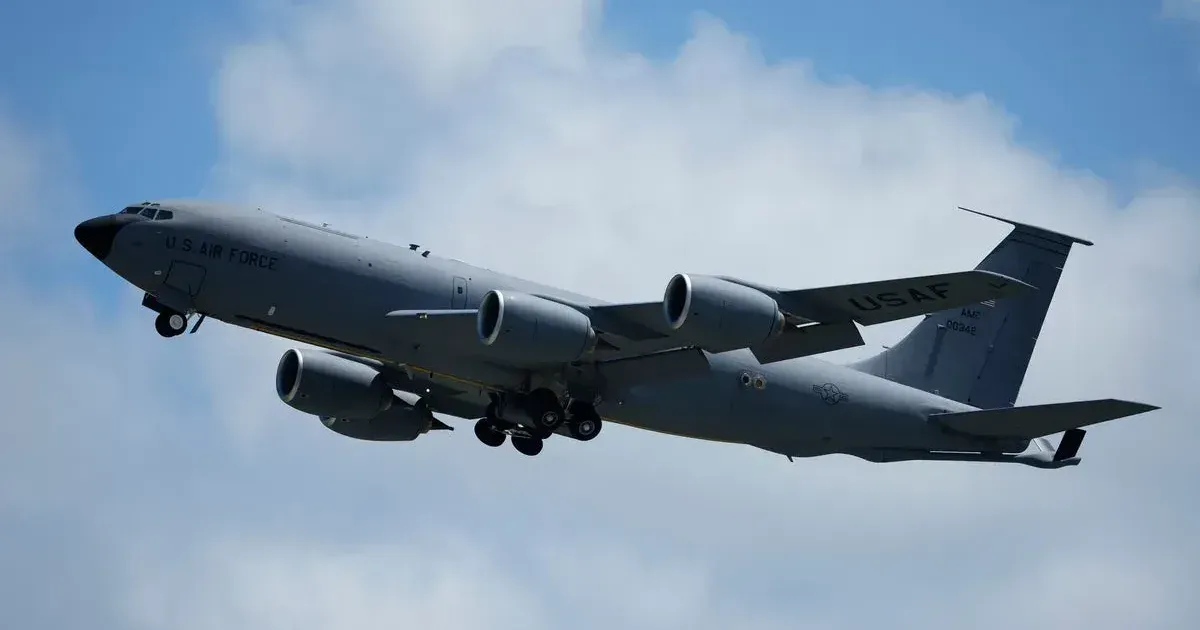
Anbar province in western Iraq became the site of a grim recovery operation early Friday after a United States KC-135 Stratotanker plummeted from the sky. Central Command officials confirmed that four of the six crew members aboard the aerial refueling aircraft died in the crash. Initial reports from the scene suggest the aircraft went down in a remote desert area far from active combat zones. The update was dated March 13, 2026.
Officials with the US military have already begun a formal investigation into the loss of the tanker. Preliminary data ruled out hostile fire from ground insurgents or accidental engagement by friendly air defense systems. Flight conditions were reported as clear at the time of the incident, leaving investigators to focus on mechanical failure or pilot error. Such a loss brings the total number of American military aircraft destroyed in the current Middle East conflict to four.
Mechanical failure kills just as effectively as an insurgent’s missile.
Experts at the Pentagon remain tight-lipped about the specific mission profile the KC-135 was supporting when it disappeared from radar screens. Northern Iraq saw a different kind of tragedy on the same day. A suicide drone launched from an unknown location struck a joint military facility housing French and Kurdish forces.
One French soldier died in the blast, and several others sustained injuries ranging from shrapnel wounds to severe concussions. This particular base has served as a critical hub for coordinating intelligence against remnants of extremist cells in the region. French Defense Ministry spokespeople identified the fallen soldier but withheld the name pending notification of the family. Kurdish Peshmerga officials reported that the drone appeared to be a sophisticated model capable of bypassing standard low-altitude radar detection.
Militia Pressure Complicates Recovery
Military analysts suspect pro-Iranian militias may have orchestrated the strike, given the increasing frequency of asymmetric attacks on coalition assets. Recent weeks have seen a surge in one-way attack munitions targeting logistics centers across the Iraqi interior. Paris now faces the same attrition dilemma that has plagued American planners for years. KC-135 Stratotankers have formed the backbone of American aerial refueling for over six decades.
Many of the airframes currently in theater were manufactured during the Cold War era, requiring intensive maintenance schedules to remain flight-worthy. High operational tempos in the Middle East place immense strain on these vintage machines. Hydraulic leaks, metal fatigue, and electrical failures become more common as the fleet ages beyond its original design life.
Logistics officers at Al-Asad Airbase have frequently voiced concerns regarding the availability of spare parts for the Eisenhower-era tankers. While newer KC-46 Pegasus aircraft are entering service, the transition has been slowed by technical hurdles and budget constraints in Washington. Friday’s crash highlights the physical toll that constant deployment takes on equipment designed for a different century. Military historians often point to the tail-end of long conflicts as the period when non-combat accidents begin to rival battlefield casualties. Grounding the fleet for inspections would halt nearly all offensive air operations in the region. Geopolitical tensions between Israel and Iran continue to bleed into the Iraqi theater of operations.
Coalition Forces Reassess Exposure
Israeli airstrikes against Iranian-linked targets in Syria often prompt retaliatory measures against US and coalition bases in Iraq. Militias operating under the Popular Mobilization Forces umbrella have increasingly used sophisticated weaponry provided by external benefactors. Drone technology has democratized air power, allowing small groups to challenge the air superiority long held by Western powers.
Intelligence reports suggest that the drone used in the northern Iraq attack shared components with the Shahed series of munitions produced in Iran. These devices use GPS coordinates and simple internal guidance to strike fixed targets with high precision. Counter-drone systems deployed at coalition bases have struggled to intercept these small, slow-moving targets that often hide in the radar clutter of mountainous terrain.
Security at these outposts has been heightened, but the porous nature of the border makes preventing every launch nearly impossible. Families of the four American airmen were notified of the deaths Friday afternoon. Names of the deceased are being withheld for 24 hours per Department of Defense policy. The survivors are currently listed in stable condition, though their long-term recovery remains a focus for medical staff at regional trauma centers. Every death in a non-combat accident forces a re-evaluation of the risks inherent in maintaining a large-scale military footprint in a volatile region. Kurdish authorities held a brief memorial for the fallen French soldier before the remains were transported to Baghdad for repatriation.
Casualties Raise Political Costs
Cooperation between Paris and Erbil remains a cornerstone of the regional security architecture, yet such fatalities test the political will of European capitals. Public opinion in France has become increasingly skeptical of long-term deployments that yield few clear strategic victories. Lawmakers in the National Assembly are expected to demand a full briefing on the security lapses that allowed the drone to reach its target.
Air Force Safety Center personnel are expected to remain at the Anbar crash site for at least two weeks to complete their wreckage analysis. The separate incidents matter because they stretch allied attention across more than one site and more than one chain of command. A French casualty and US deaths create different domestic pressures even when they occur in the same operating environment. That makes public attribution sensitive. Officials must explain what is known without overstating claims from militias or underplaying the risk to personnel still deployed in Iraq.