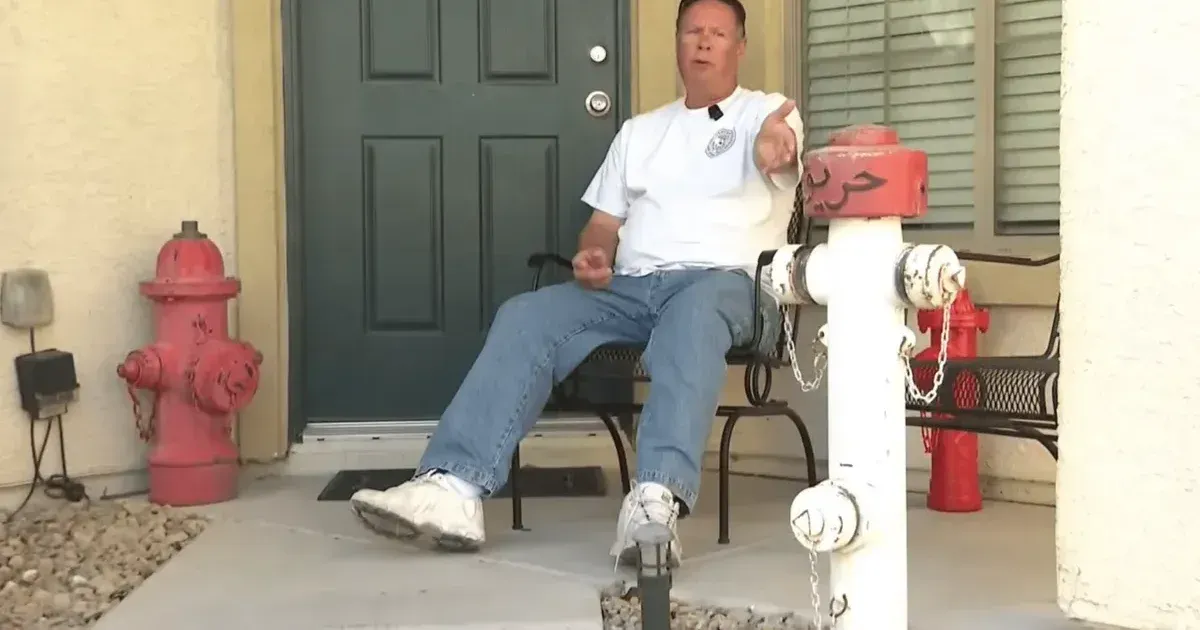
A Las Vegas veteran's fight with his homeowners association over a war trophy hydrant display has turned a neighborhood rule dispute into a broader argument over memory, property and respect. The conflict drew fresh local attention after the association demanded that Saba remove items from his front lawn. To the board, the issue was appearance and compliance. To the veteran, the display carried personal history.
By April 19, 2026, HOA conflicts like this one showed how small rule fights can appear trivial from the outside until they touch identity. A lawn object can become a proxy for who gets to define a neighborhood's character and how much private expression survives inside deed restrictions.
Rules Meet Personal History
Associations usually rely on written covenants covering landscaping, exterior decorations and visible structures. Those rules are designed to protect property values and prevent one homeowner's choices from becoming another homeowner's problem. The difficulty is that the same rules can feel blunt when they are applied to military keepsakes or memorial objects.
HOA enforcement depends on consistency. If boards make exceptions too freely, rules lose force. If they refuse every exception, they can appear indifferent to context. Saba's case sits directly inside that tension.
The Display Carries Symbolic Weight
A war trophy is not ordinary yard decor. It can represent service, survival, loss or a specific chapter of a veteran's life. That does not automatically override neighborhood rules, but it changes the public meaning of the dispute. The association may be enforcing a covenant; the veteran may be defending a story.
The best resolution would likely involve compromise rather than escalation. That could mean relocating the display, adding screening, limiting size or creating a formal exemption process for service-related items. A lawsuit or public shaming campaign would harden both sides quickly.
Property Communities Need Better Processes
Cases like this show why HOAs need appeal systems that feel real, not ceremonial. Homeowners should be able to explain the meaning of an object and propose alternatives before fines or removal demands become the only language left.
Boards also need to communicate with care. A letter that treats a personal memorial like a trash-bin violation can turn a manageable issue into a public backlash. Tone matters, especially when military service is involved.
The Las Vegas fight is ultimately about more than one hydrant. It is about the boundary between shared neighborhood standards and the private histories people bring home with them. Communities need rules, but rules work better when they leave room for judgment.
If both sides want a durable outcome, the question should be practical: how can the display be respected without making the covenant meaningless?
The dispute also raises the question of selective enforcement. Many HOA fights become bitter when homeowners believe boards ignore some violations while pursuing others aggressively. If Saba can show similar displays or objects have been tolerated, the association's position may look less like neutral rulekeeping.
Veterans groups may also become involved if the case keeps drawing attention. Their pressure can change the board's incentives quickly because few associations want to be seen as disrespecting military service. That outside attention can help force compromise, but it can also make quiet resolution harder.
The legal details will likely turn on the exact covenant language. Some rules regulate size, placement and materials. Others give boards broad discretion over aesthetic harmony. Broad discretion can help communities adapt, but it can also make enforcement feel arbitrary.
For homeowners watching the case, the lesson is practical. Before installing a symbolic display, read the covenants, ask for written approval and document the reason for the request. That paperwork may feel tedious, but it can prevent a personal object from becoming a fine schedule.
The association also has to consider the cost of winning. Even if the board has the legal authority to demand removal, a harsh victory could damage neighborhood trust. HOAs depend on voluntary compliance for most rules, and residents are less likely to cooperate when they see enforcement as humiliating.
Saba has a similar choice. Keeping the display exactly as it is may feel principled, but a negotiated presentation could preserve the meaning while lowering the temperature. Public disputes often reward the loudest position, while neighborhood life requires people to keep living near each other. That is why a small design compromise may be more useful than a courtroom answer. The object can remain meaningful without turning the entire block into a referendum on patriotism, taste and board power. The better outcome would probably be narrow rather than dramatic: a written accommodation, a clear placement rule and an agreement that keeps the display visible without making every neighbor take a side. A restrained settlement would also give both sides something defensible. The veteran keeps the meaning of the display, and the board preserves the idea that shared rules still matter.