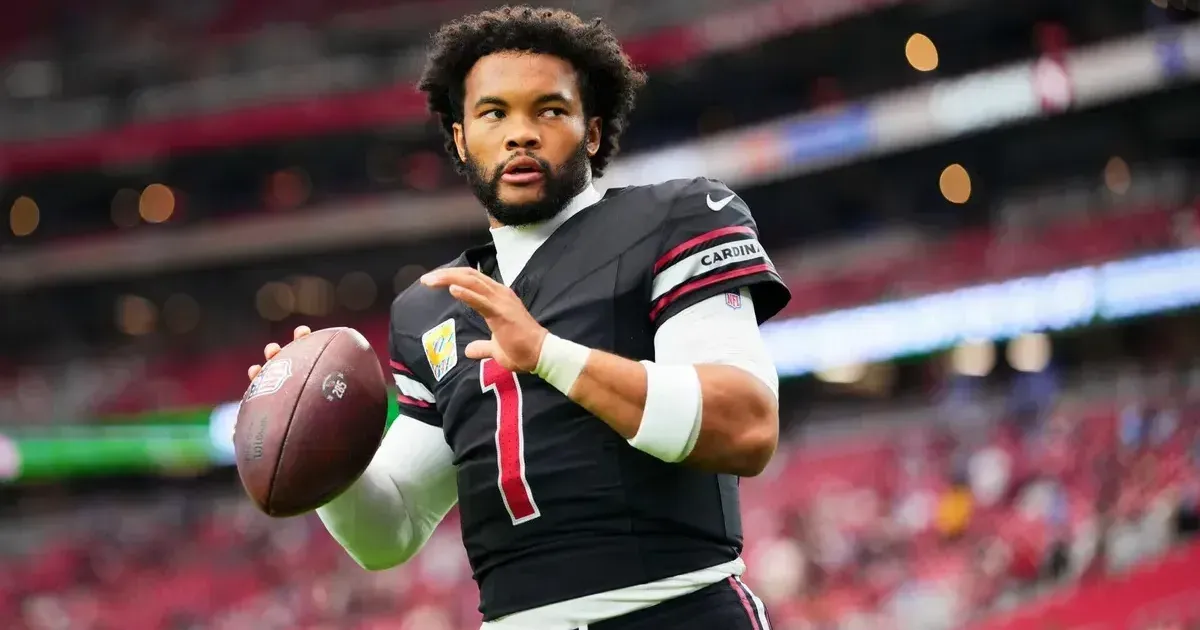
Kyler Murray landing with the Minnesota Vikings would create one of the NFL's most scrutinized quarterback rooms. The public timeline reached this point by March 13, 2026. The move would place a former No. 1 overall pick beside J.J. McCarthy, a younger passer still trying to prove he can own the job. Minnesota would gain veteran upside, but the signing would also signal that the staff wants more insurance than a normal depth-chart addition. The financial structure makes the story especially important. A short-term veteran deal can protect a team if the player's previous contract obligations remain tied to his former club. That kind of arrangement allows a contender to explore upside without carrying the full cost of a long-term quarterback reset. For Minnesota, the benefit would be flexibility. The football question is more complicated. Murray's best traits are rare: quick acceleration, vertical arm talent and improvisation outside structure. The Vikings' offense under Kevin O'Connell values timing, route discipline and protection calls. Turning those traits into a stable system would require more than designing a few option looks.
Minnesota Adds Pressure to Its Quarterback Room
J.J. McCarthy's development would become the central internal storyline. A high draft pick usually receives time, patience and a system built around gradual growth. Adding Murray would change that timeline because practice reps, preseason starts and leadership attention would all become contested resources. Competition can sharpen a young quarterback, but it can also blur the plan if the team never clearly defines what success looks like. McCarthy would need to show command of protections, accuracy on schedule and the ability to avoid negative plays. Murray would need to prove that his playmaking does not come at the cost of offensive rhythm.
O'Connell's job would be to keep the room from becoming a referendum on organizational belief. The Vikings can frame the move as depth, but players understand when a veteran with Murray's resume arrives. The locker room will read practice performance quickly.
Murray Offers Upside With Real Adjustment Costs
Murray's mobility changes defensive math. Linebackers must respect escape lanes, edge rushers must stay disciplined and safeties cannot ignore the possibility of a broken-play throw. That gives Minnesota ways to stress defenses beyond the standard dropback menu.
Still, the adjustment would be significant. Murray has spent much of his career playing with a different offensive rhythm than the Vikings typically prefer. Minnesota's best version asks the quarterback to win before the snap, deliver on time and let receivers create after the catch. Murray can do that in stretches, but consistency would decide whether the gamble works.
Justin Jefferson and Jordan Addison would benefit from a quarterback who can extend plays, especially when coverage forces second-reaction routes. The risk is that too much improvisation can break route spacing and protection timing. Minnesota would need a controlled version of Murray's athletic creativity.
Short-Term Value Shapes the 2026 Stakes
The appeal for Minnesota is obvious if the contract stays short and inexpensive. A team with playoff ambitions can justify adding quarterback talent when the cost does not prevent defensive upgrades or future extensions. The Vikings would be buying optionality, not certainty.
For Murray, the move would be a reputation reset. A strong year in a stable offense could reopen long-term market value. A chaotic year would strengthen the perception that his best seasons are behind him. That makes the arrangement high leverage for both sides.
The cleanest outcome is not necessarily an immediate quarterback controversy. It is a camp in which Minnesota learns whether McCarthy is ready and whether Murray can operate inside the system. The danger is indecision. In the NFC, a team built to contend cannot spend half a season discovering its identity at the sport's most important position.
The timing of such a move would also affect roster planning beyond quarterback. Minnesota has to decide how many resources to keep available for the offensive line, secondary depth and future extensions. A low-cost quarterback gamble only works if it does not distract from those needs or force the staff to carry two incompatible offensive identities.
Training camp would therefore become less about one headline and more about daily evidence. Coaches would watch who handles pressure checks, who protects the ball in red-zone periods and who keeps the huddle steady after bad plays. The veteran name may drive attention, but the starter would still have to win trust through repeatable execution.
That is why the scenario carries both appeal and danger. Murray could raise the ceiling of the offense if he accepts structure. McCarthy could still claim the job if he shows command. Minnesota's challenge would be preventing the competition from becoming the story at the expense of the season.
The Vikings would also need clear public messaging. If the club calls the move depth while treating the camp as open competition, confusion will follow. A credible plan would define both quarterbacks' roles early and let performance, not narrative, decide the depth chart.