Wall Street Bets Millions on War and Oscars Through New Data
Wall Street hedge funds are using satellite imagery of Iran strikes and Oscar prediction markets to hedge against global volatility in March 2026.
◆
Key Points
☼ AI-Generated Summary
◆Hedge funds are bypassing traditional news by using private satellite imagery from firms like Vantor to track military strikes in the Middle East.
◆Prediction markets like Kalshi and Polymarket have seen tens of millions in wagers on the 98th Academy Awards, with 'One Battle After Another' as the favorite.
◆Alternative data firms like Neudata are providing institutional investors with niche datasets from S&P and Kpler to gain an edge during geopolitical instability.
◆Regulatory scrutiny from Washington is increasing as these event-based betting platforms grow in influence and accuracy regarding public interest events.
March 13, 2026, marks a point where information functions as the only currency that hasn't devalued. Sophisticated money managers now bypass traditional newsrooms, preferring the raw clarity of satellite feeds and the collective intelligence of predictive wagering. Capitalists have found that traditional intelligence agencies often fail to provide the granular detail needed for high-stakes positions. The proliferation of alternative data platforms has turned once-niche betting sites into essential tools for global capital. Prediction platforms provide a window into real-world outcomes that quarterly reports cannot match.
Strikes in Iran by US and Israeli forces have disrupted global markets since the beginning of the month. Interest rates, equities, and commodities fluctuated wildly as the conflict intensified. Many prominent fund managers reported significant losses during the first week of March, prompting a desperate search for superior intelligence. Neudata, an alternative data intelligence firm, responded by compiling a report for institutional investors that outlines datasets capable of tracking real-time damage. These vendors offer a level of detail that surpasses standard news coverage. Sophisticated investors have long used anonymized credit card receipts to predict retail trends, but the current conflict has shifted their focus to geopolitical survival.
Money moves faster than diplomacy.
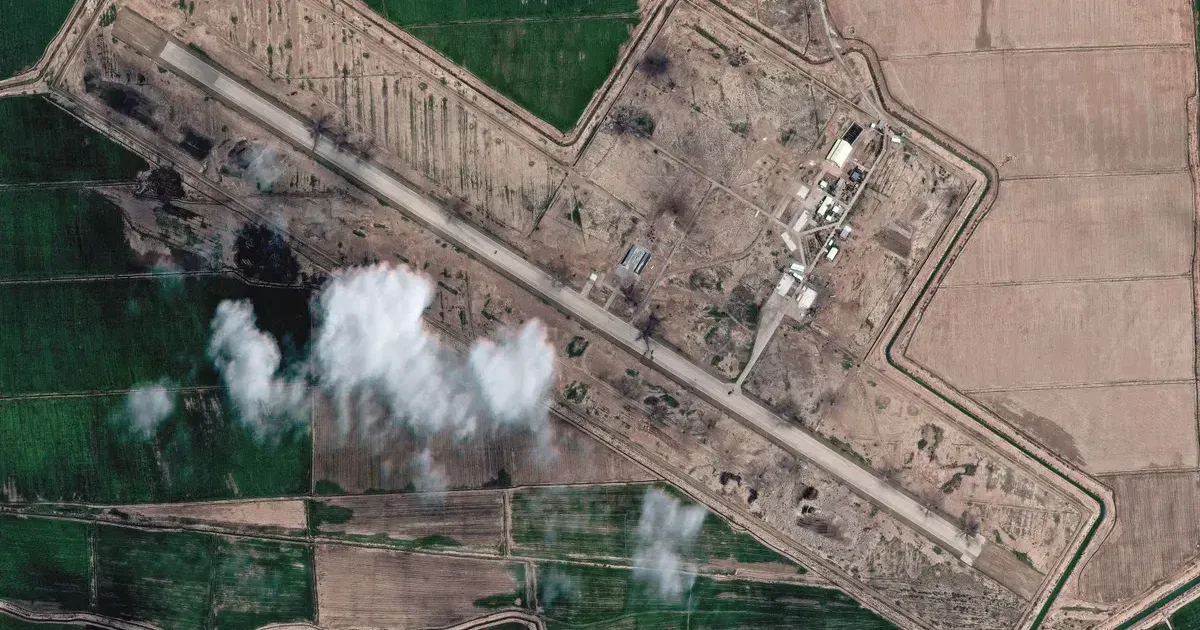
Energy production sites in the Middle East are now under constant surveillance by private satellite companies. Firms like Vantor, Planet, and Satellogic provide high-resolution images that reveal the exact extent of bomb damage to refineries. Hedge funds use this information to adjust their positions in oil and gas before the public becomes aware of supply disruptions. Traditional analysts once tracked the number of cars in Walmart parking lots to project quarterly sales. This desire for under-the-radar info now extends to the front lines of a regional war. S&P, FreightWaves, and Kpler have joined smaller players in providing niche data to those willing to pay for an edge.
The Oscar Market as a Financial Indicator
Cultural events serve as a secondary front for financial speculation. While war rages in the Middle East, the 98th Academy Awards have become a major focus for traders on Kalshi and Polymarket. Tens of millions of dollars are currently riding on the outcome of the Sunday, March 15, ceremony. These platforms allow users to trade on the likelihood of specific winners across all 24 categories. The growth of these markets has caught the attention of Washington lawmakers and state regulators, who remain skeptical of the legal framework surrounding event-based wagering. Polymarket recently partnered with the Golden Globes and correctly predicted 26 out of 28 winners, proving the power of crowdsourced forecasts.
Leonardo DiCaprio stars in "One Battle After Another," a film that bettors have identified as the clear favorite for Best Picture. Paul Thomas Anderson's direction has pushed the film to a 75% probability of winning on both major platforms. Ryan Coogler's "Sinners" follows with a 20% chance, while "Frankenstein" remains a distant third. More than $44 million has been wagered on the Best Picture category alone. Conan O'Brien will host the ceremony, which airs on ABC and Hulu. High-volume trading suggests that "One Battle After Another" will likely claim four Oscars in total, potentially rewarding those who backed the film early in the awards season.
Institutional interest in these outcomes is not merely about entertainment. Prediction markets function as a hedge against broader market volatility. When a specific film or actor becomes a lock for a win, it creates a predictable liquidity event in a month otherwise defined by chaos. Traders use these cultural markers to balance the high-risk wagers they hold in the energy sector. The accuracy of these markets often exceeds that of professional critics or industry polls because participants have a direct financial incentive to be right. This institutionalization of betting has transformed a casual pastime into a serious asset class.
The Mechanics of Modern Information Arbitrage
Data vendors listed in the Neudata report offer not merely pictures. They provide tanker tracking and supply chain analysis that allows funds to see where oil is moving even when official channels go silent. Kpler specializes in the movements of maritime commodities, providing a heat map of global energy flow. FreightWaves monitors the logistics side, tracking how conflict-related delays impact shipping costs. When a strike hits a refinery, the impact ripples through the shipping industry immediately. Smart money managers use these data points to build a thorough picture of global stability. This level of analysis was once the exclusive domain of national security councils.
Intelligence has been privatized for the benefit of the highest bidder.
Satellite imagery companies like Vantor have seen a surge in demand as the US and Israel continue their campaign. These firms offer granular data on the health of infrastructure that government briefings often gloss over. Analysts at these data companies spend their days counting craters and measuring the smoke plumes from burning storage tanks. Such a information allows hedge funds to determine if a strike was a surgical success or a costly failure. The ability to verify military claims through private satellite feeds has changed how Wall Street reacts to breaking news from the Persian Gulf. Credibility is now measured in pixels rather than press releases.
Washington lawmakers have expressed concern about the potential for insider trading on prediction markets. If a member of the Academy of Motion Picture Arts and Sciences wagers on a category they voted in, it creates an ethical dilemma that regulators are struggling to address. Similar concerns exist for geopolitical events where government officials might have advance knowledge of military actions. Despite these worries, the volume of trading continues to hit record highs. The demand for certainty in an uncertain world has proven stronger than the fear of regulatory intervention. The markets operate on the belief that a price tag can be put on any future event.
Market participants are no longer satisfied with lagging indicators. They want the truth before it happens. Whether it is the destruction of an Iranian nuclear facility or the crowning of a new Best Actor, the goal remains the same. Profit depends on the speed of the data and the accuracy of the crowd. The convergence of satellite surveillance and event-based betting has created a new era of transparency, albeit one that is only accessible to those with the capital to play. The upcoming Oscar ceremony will provide the final test for these platforms before the focus returns entirely to the growing conflict in the Middle East.
The Elite Tribune Perspective
Can a society claim any moral foundation when its wealthiest citizens treat the incineration of a refinery and the awarding of a gold statuette as equivalent data points in a liquidity pool? The transformation of war and culture into a unified betting market is the final triumph of nihilistic capitalism. We have moved past the era where information served the public good; now, information exists only to enable the transfer of wealth from the slow to the fast. It is a grim reality where a hedge fund manager monitors a satellite feed of a burning city with the same clinical detachment as a teenager checking the odds on an Oscar win. That is not progress. It is the commodification of existence itself. The accuracy of Polymarket or the resolution of Vantor images does not excuse the fact that we have turned human suffering and artistic achievement into mere chips on a table. If the smart money is getting smarter, it is only because it has successfully stripped the world of its meaning, leaving behind nothing but a series of probabilities. Wall Street has finally built a machine that profits from the very chaos it helps fund, ensuring that no matter who wins the Oscar or the war, the house always gets its cut.