Wolfgang Puck surveys the stainless steel counters of his prep kitchen, marking his thirty-second year as the primary architect of the Governors Ball menu. March 13 finds the celebrity chef coordinating a small army of culinary staff to prepare for the annual post-Oscars feast. By March 13, 2026, the awards weekend had become a test of whether prestige can offset takeover pressure. Gold-dusted chocolate statuettes and smoked salmon appetizers cut into the shape of the Academy Award trophy sit ready for the influx of Hollywood elite. Luxury comfort food dominates the spread for 2026, a choice that mirrors a collective desire for familiarity in a year defined by structural instability.
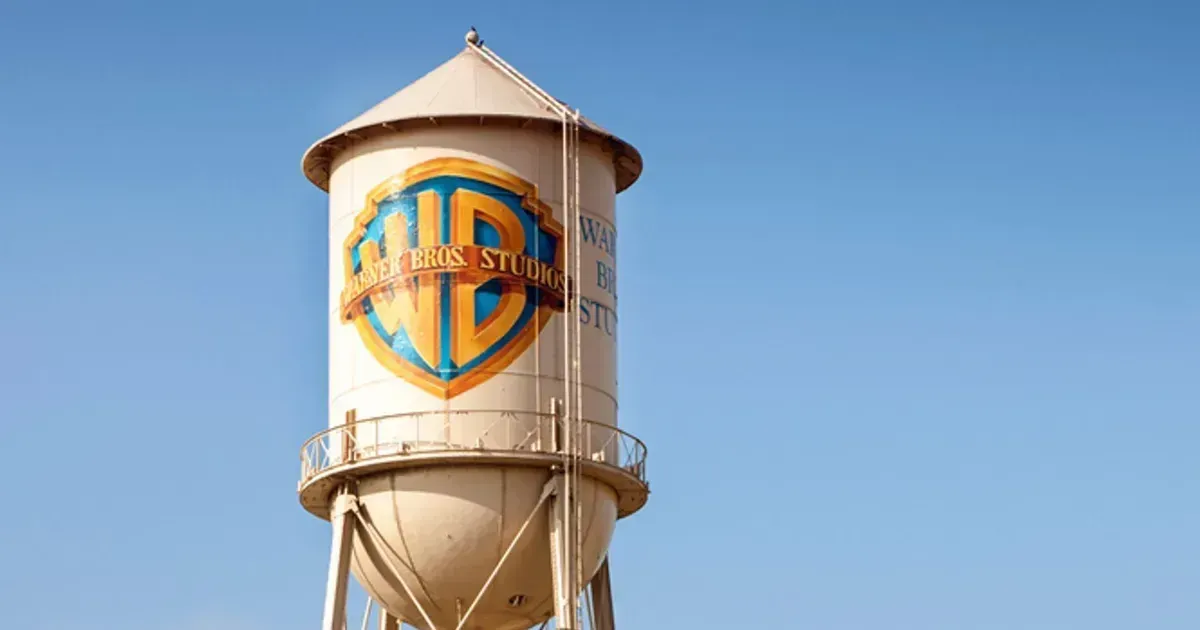
While the kitchen focuses on the perfect glaze for sea bass, the executives attending the dinner are looking toward a far less certain future. Warner Bros. Discovery enters the weekend as the prohibitive favorite to sweep the major categories. Sinners and One Battle After Another have captured the cultural zeitgeist, positioning the studio for a night of historic triumph. Yet the mood inside the Burbank headquarters remains somber.
Reports of a massive takeover attempt have cast a shadow over the impending celebrations, suggesting that the studio responsible for the year's greatest cinematic achievements might soon be under new ownership. Success in the Dolby Theatre rarely translates to stability in the boardroom. Corporate hunger remains unsated by critical acclaim. Investors have watched Warner Bros. handle a series of high-profile mergers over the last decade, yet the current rumors point to a total absorption by a larger tech conglomerate.
Oscar Menu Mirrors Studio Anxiety
Returning to the menu reveals a strange synergy between the plate and the zeitgeist. Puck has opted for meatloaf made with Wagyu beef and mashed potatoes infused with black truffles. Such dishes provide a sense of groundedness for an audience of actors and directors who face a rapidly shrinking labor market. Streaming residuals have plummeted, and the rise of generative media tools has created an existential crisis for the guilds. Within this environment, the Governors Ball is a final, opulent holdout of the old guard.
Rumors of a bid from a major Silicon Valley rival have gained traction, spurred by the studio's weakened stock price and high content library value. If the deal moves forward, it would represent the most significant consolidation of media power in twenty years. Hollywood survives on the illusion of permanence. But the foundations are visibly cracking. Data from recent theatrical runs show a bifurcated market where only massive spectacles or niche horror films find a footing.
One Battle After Another succeeded by being an undeniable event, yet its success highlights the lack of a middle class in filmmaking. Most of the talent attending the ceremony this weekend are working fewer days than they were five years ago. The glamour of the red carpet effectively masks a labor force that is increasingly precarious.
Stock Prices and Silver Statuettes
Speculation regarding the identity of the buyer has centered on two major technology firms looking to strengthen their streaming libraries. Both entities have the cash reserves to acquire Warner Bros. without blinking. Such a move would likely lead to further layoffs and the potential shuttering of historic production lots. The 2026 Oscars could very well be the final ceremony where Warner Bros. exists as a standalone entity. That realization is not lost on the veterans who have walked these red carpets for decades.
A Feast for a Fragile Empire
The awards will be handed out, the food will be eaten, and the boardrooms will decide what remains of the dream. The studio's problem is that awards strength and balance-sheet pressure now move on separate tracks. A strong Oscars night can lift reputation, but it does not erase debt, streaming costs, or the appetite of larger technology buyers looking for libraries and production capacity. That is why the Governors Ball setting matters beyond celebrity ritual. The same room that celebrates creative dominance also gathers executives, agents and financiers who understand that prestige can make a company more attractive to bidders rather than more secure from them.
The result is a more exposed form of success: every nomination strengthens the studio brand while reminding investors that the brand itself may be the asset most likely to change hands.
Studio Awards Pressure
That leaves the studio with a narrow message: celebrate the films, but treat the corporate uncertainty as part of the same awards-season story. The awards weekend now carries two readings at once. A strong night would confirm Warner Bros. Discovery as a creative force, while takeover speculation shows that prestige alone does not settle questions about debt, scale and ownership. That tension is why the Governors Ball setting matters. The celebration can be real, but it unfolds inside an industry where successful film libraries are also acquisition targets and where cultural influence does not guarantee corporate independence.