Energy Shock Hits Asian Consumers
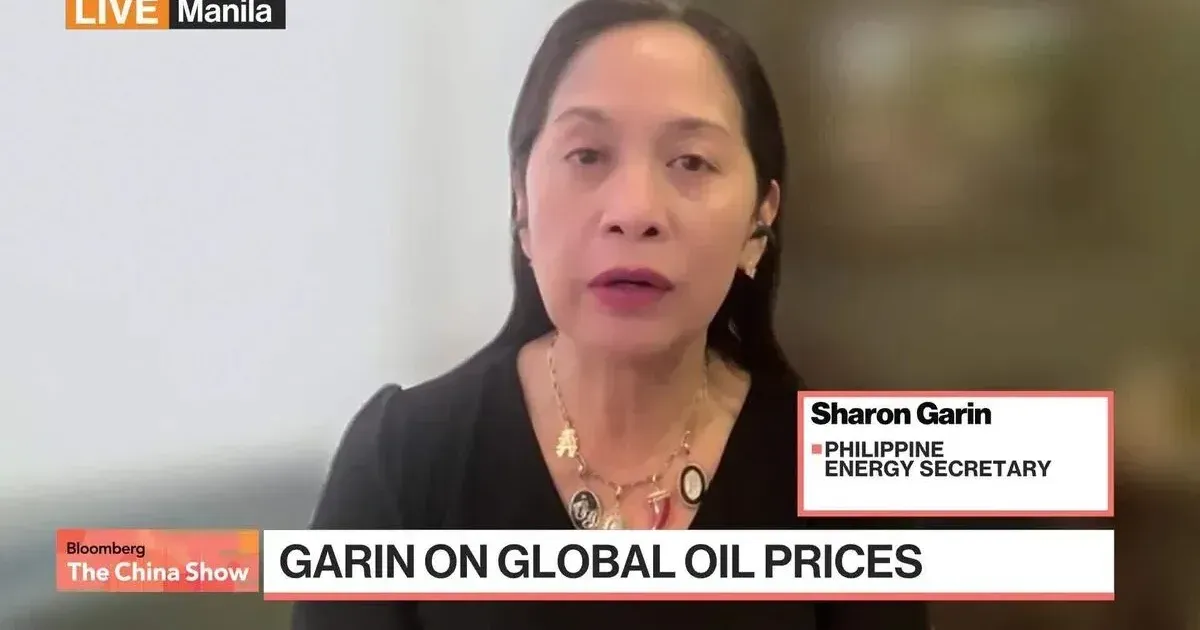
Manila felt the first economic tremors of the conflict in the Middle East on Friday morning. Residents of the Philippines are preparing for a 16% spike in their electricity bills scheduled for April. Energy Secretary Sharon Garin confirmed the projected increase during a recent broadcast, attributing the jump directly to the rising cost of imported oil. On March 13, 2026, the Iran war’s price shock reached energy bills, sanctions policy and bond markets at once. The Philippines remains heavily dependent on foreign energy sources, leaving its domestic economy vulnerable to every explosion in the Persian Gulf. Garin is now spearheading an effort to accelerate renewable energy projects to reduce this reliance on volatile fossil fuels.
The sanctions decision lands far beyond oil desks; it affects budgets, currencies and household bills.
Government officials in Manila are not just looking at new energy sources. They are also moving to dismantle decades of economic policy. Congress has begun a formal review of the Downstream Oil Industry Deregulation Act of 1998. This nearly 30-year-old law was designed to foster competition by removing government control over fuel pricing.
While the policy functioned during periods of global stability, the current war has exposed its limitations. Critics of the law argue that it prevents the state from shielding the poor against sudden, violent market fluctuations. Will a return to government intervention provide the stability the Philippine economy requires, or will it simply create new bureaucratic inefficiencies?
For central banks, the danger is second-round inflation. A temporary oil spike can be ignored if it fades quickly, but a sustained rise moves into transport contracts, food distribution and wage negotiations. That is why bond traders reacted so sharply to the sanctions pause. The Philippines shows the consumer end of the chain. A household does not need to understand sanctions law to feel a higher electricity bill. Once that bill arrives, energy policy becomes domestic politics, not only foreign policy.
Washington Pauses Some Russia Oil Sanctions
Market liberalization is falling out of favor as survival takes precedence over economic theory. Washington is responding to the energy crisis with equal urgency. US Treasury Secretary Scott Bessent announced a temporary pause on several key sanctions against Russian oil exports this week. The relief measure is set to expire on April 11.
This decision reflects a difficult calculation by the administration to prioritize global energy supply over geopolitical pressure on Moscow. By allowing Russian crude to flow more freely into global markets, the Treasury hopes to provide a necessary cushion against the loss of Iranian production. Brent crude prices have remained stubbornly high since the first missiles were launched, threatening to derail the domestic economic recovery in the United States.
Bessent justified the move as a short-term necessity to prevent a complete collapse of global energy liquidity. The Treasury Department maintains that the sanctions could be reinstated at any moment, but the immediate goal is to lower the price at the pump for American consumers. It remains unclear if this 30-day window will be enough to stabilize a market that is currently operating on pure fear. Many traders in Houston and London suspect that the April 11 deadline will eventually be extended if the conflict persists. Washington is trying to manage that chain without appearing to reward Moscow. The narrower the waiver, the easier it is to defend; the longer it lasts, the more it looks like a strategic concession made under price pressure.
Bond Volatility Signals Inflation Fear
Does the White House have a plan if Russian oil remains the only thing preventing a global recession? Financial markets are signaling a period of extreme uncertainty. The MOVE index, which tracks volatility in the US Treasury market, climbed to a nine-month high on Wednesday.
Bond traders are struggling to price in the dual threats of war and resurgent inflation. For much of the past year, investors expected the Federal Reserve to continue cutting interest rates. Those expectations have evaporated as energy costs push the Consumer Price Index higher once again. The prospect of a 'higher for longer' interest rate environment is now the dominant theme on Wall Street. Volatility in the bond market often precedes broader economic distress. When the MOVE index surges, it suggests that the world's most important safe-haven asset is no longer behaving predictably. Commercial banks and institutional investors are demanding higher yields to compensate for the risk of holding debt during a regional war. This shift in the yield curve has immediate consequences for everything from mortgage rates to corporate borrowing costs. The cost of money is rising just as the cost of energy is peaking. Institutional investors are shifting their portfolios toward defensive assets.
The policy tradeoff is uncomfortable because it links two crises. Loosening restrictions on Russian barrels may help consumers in the short run, but it also weakens a sanctions tool that was designed for a different war. That is why traders are treating the measure as a signal of stress rather than a clean solution. For import-dependent countries, the distinction is academic. Higher crude prices quickly move into electricity bills, airline costs, food logistics and public anger. The sanctions pause may buy time, but it does not rebuild spare capacity or remove the risk premium that war has placed on every barrel moving through the market. Bond investors are reacting to that same chain. If energy prices stay high, central banks lose room to cut rates, governments face more subsidy pressure and companies refinance at higher costs. The sanctions decision therefore lands far beyond oil desks; it affects budgets, currencies and household bills.
That is why the sanctions relief is best read as crisis management rather than a new doctrine. Washington is trying to prevent an energy shock from spreading into inflation expectations, but it cannot do so without creating political discomfort over Russia. The Philippines example shows the downstream effect: households far from the battlefield still face higher bills when global fuel markets lose spare capacity.
That tension will shape the next deadline. If prices remain elevated as the waiver nears expiration, the administration will have to choose between restoring pressure on Russian supply and risking another visible jump in consumer energy costs.