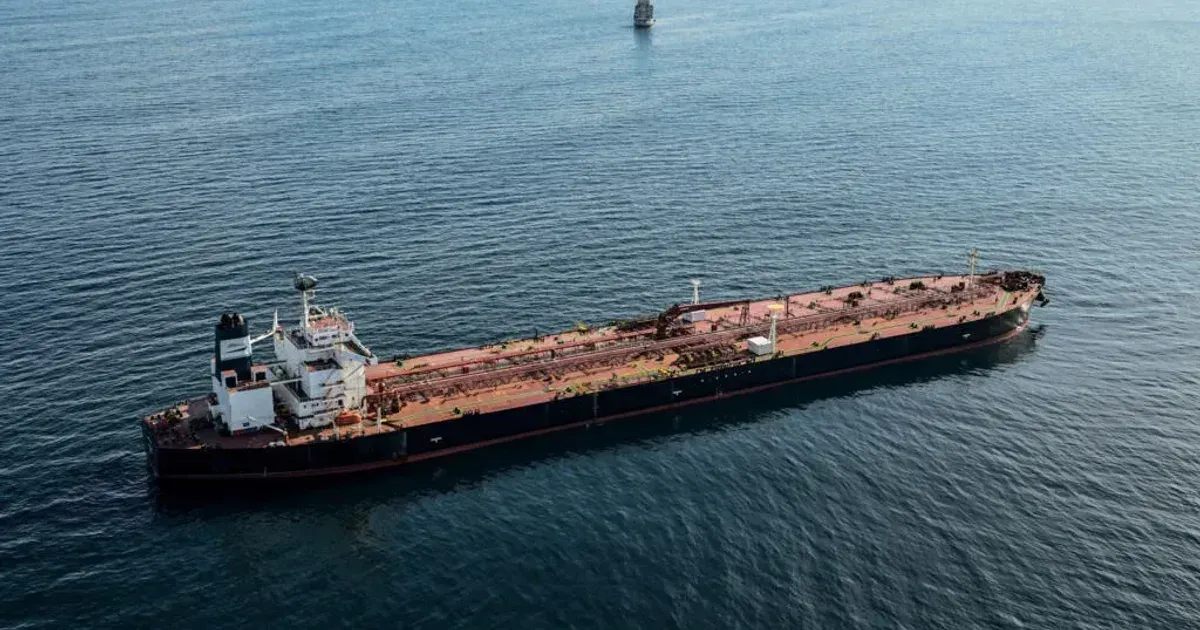
Washington's decision to ease enforcement around some Russian oil flows marks a strategic retreat forced by energy prices, war risk and the political cost of fuel inflation. Treasury officials framed the March 2026 directive as a temporary measure to stabilize markets rather than a full reversal of sanctions policy. By March 12, 2026, the signal was difficult to miss: the West is loosening pressure on Moscow because consumers are paying more. Energy sanctions are designed to reduce revenue for a hostile government without removing too much supply from the global market. That balance is hard in normal times. It becomes harder when conflict in the Middle East raises the cost of every marginal barrel.
The move exposes the central weakness of energy sanctions.
Sanctions Policy Meets Pump Prices
The United States and its allies have tried to limit Russian oil revenue through price caps, shipping restrictions and enforcement actions aimed at shadow fleets and intermediaries. Those tools work best when replacement supply is available and buyers believe enforcement will remain steady. A price spike changes the calculation. If Russian barrels are kept off the market while Gulf risk rises, prices can climb sharply. That hurts households, airlines, truckers and manufacturers. It also creates political pressure on leaders who once promised that sanctions would punish Moscow without punishing voters at home. Russian oil sanctions therefore sit at the intersection of morality, strategy and inflation. The policy can be justified geopolitically while still becoming economically painful.
Coalition Trust Becomes the Test
The coalition question is whether allied governments can accept a temporary adjustment without reading it as a retreat. Washington needs to show that any easing is narrow, timed and paired with enforcement elsewhere.
Moscow Gains a Messaging Opening
The Kremlin will likely portray the easing as proof that Western pressure is unsustainable. That does not mean sanctions have failed entirely; Russia still faces financing, technology and insurance constraints. But political symbolism matters. Any relaxation gives Moscow a chance to argue that energy reality has overcome Western resolve. Ukraine and Eastern European allies may be uneasy with the move. They will worry that temporary flexibility becomes a habit and that enforcement gaps allow Russian revenue to recover. Washington will need to explain exactly what changed, how long the relief lasts and what conditions would bring stricter enforcement back.
Allies Face Uneven Costs
European governments have different levels of exposure to energy prices, industrial slowdown and domestic political pressure. Some may quietly welcome extra supply if it reduces inflation. Others may fear that any easing weakens the sanctions coalition. Maintaining unity will require more than a technical Treasury notice. The United States also has to manage the perception that sanctions are flexible when American fuel prices are threatened but rigid when allies bear the cost. That perception can damage trust, especially among countries closer to Russia.
A Temporary Move Needs Clear Limits
The strongest case for the easing is that sanctions should not trigger a global energy shock that benefits Moscow through higher prices anyway. If allowing controlled flows prevents a broader spike, the policy may preserve bargaining power rather than abandon it. The weakest case is that every exception creates new channels for evasion. The difference depends on enforcement detail. Washington must track volumes, prices, shipping entities and the revenue Moscow actually receives. Without that discipline, a market-stabilization measure can become a sanctions loophole. The decision shows that energy policy is now shaping foreign policy in real time. The West still wants to constrain Russia, but it also wants affordable fuel during a Middle East crisis. Holding those goals together will be harder than announcing either one separately.
The decision will also test the mechanics of the price cap system. A cap only works if shipping, insurance and finance providers believe violations will be detected and punished. If enforcement becomes selective or ambiguous, traders may push the boundaries quickly. That is how a limited adjustment can become a broader weakening without any formal announcement.
Energy-importing countries outside the Western alliance will read the move pragmatically. Many have already balanced relations with Washington and Moscow while buying discounted crude. A softer U.S. posture may encourage them to seek more flexible arrangements, especially if domestic fuel costs are politically sensitive. Ukraine will likely judge the policy by revenue effects rather than wording. If Russian income rises materially, Kyiv and its supporters will argue that the change is undermining the war effort. If the easing only prevents a price spike while keeping revenue capped, Washington can claim it preserved pressure in a more realistic form.
The timing is awkward because sanctions are also a signal to other adversaries. If energy pressure forces visible compromise, governments watching from Beijing, Tehran or elsewhere may conclude that Western economic tools have a lower pain threshold than advertised. That perception can matter even when the underlying policy remains complex.
A credible temporary policy needs a public off-ramp. Officials should define the market conditions that would end the easing and the enforcement actions that remain active. Without that clarity, allies will suspect drift, markets will price in more Russian supply and Moscow will test the edges.
The administration will also have to brief Congress. Lawmakers who supported tough sanctions will want to know whether the change was coordinated with allies and whether Russian entities are gaining access to services that had been restricted. If the answer is unclear, the policy could become a domestic oversight fight as well as a diplomatic one.
Oil markets may reward flexibility in the short run. A few extra barrels moving legally can calm traders and reduce the incentive for opaque smuggling networks. But sanctions policy depends on predictability, and every adjustment teaches traders where the political pressure points are.
The toughest audience may be the coalition itself. Baltic states, Poland and other governments close to the Russian threat will not view energy relief in the same way as consumers focused on pump prices. Washington needs their trust because enforcement against evasion depends on shared intelligence, ports, insurers and regulators.
That is why the easing should be paired with visible penalties elsewhere. If Treasury relaxes one channel while sanctioning ships, brokers or banks that violate the cap, it can argue that the policy is adaptive rather than weak. Without that balance, the message will look like retreat.