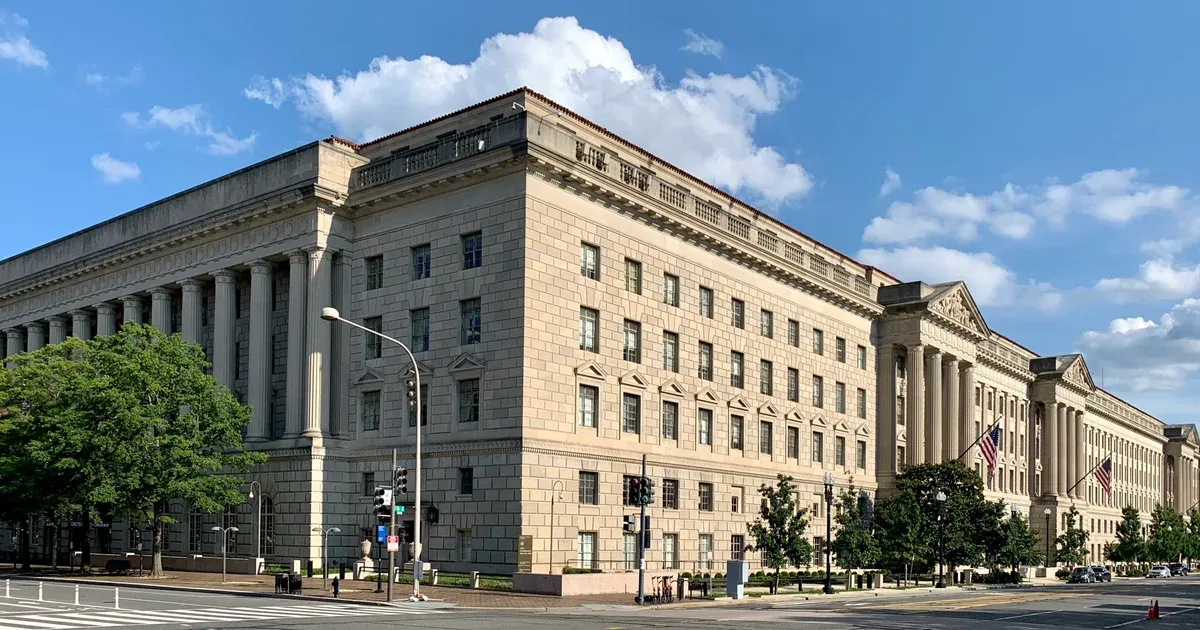
Officials formalized the investigations on April 18, 2026, after earlier tariff tools faced tighter scrutiny. The Commerce Department had already been looking for a legal path that could survive stricter review. By the time officials opened the investigations, allied trade had become part of a national-security argument. The probes may target sectors such as automotive parts, advanced electronics and specialized steel alloys. The legal mechanism matters because Section 232 gives the executive branch a broader national-security frame than ordinary trade disputes. Department of Commerce officials are trying to rebuild tariff authority after judicial scrutiny weakened earlier approaches.
Allied Trade Faces Scrutiny
The unusual feature is not that Washington is investigating trade. It is that the targets are close partners: the United Kingdom, the European Union and Canada. That creates diplomatic risk. Allies may accept narrow reviews tied to genuine security needs, but they will resist probes that look like protectionism with a security label. Trade partners will also study whether the investigations are evidence-based. Courts have made clear that broad tariff claims need stronger records than political preference alone.
Washington's new trade probes against London, Brussels and Ottawa show how tariff policy is adapting after court pressure.
Tariff Law Gets Rebuilt
The Supreme Court's recent approach has forced officials to be more careful about the factual basis for new levies. That means the administration must document why specific imports pose a national-security concern. Section 232 can still be powerful, but it is not a blank check if judges demand a serious evidentiary record.
Companies that depend on cross-border supply chains will watch the sector list closely. A tariff on specialized components can move through manufacturing costs long before consumers know why prices changed.
Partners May Push Back
The UK, EU and Canada have tools of their own: diplomatic pressure, retaliatory lists and legal challenges. They can also argue that security cooperation should reduce suspicion, not create new tariff exposure. Washington's challenge is to prove that the probes are targeted and defensible. If the cases look too broad, they may damage allied trust while still failing in court. The trade fight is therefore about more than tariffs. It is about whether national-security law can be used against partners without making every supply-chain dispute feel like a strategic threat. The probes may also become bargaining tools. Even before tariffs are imposed, the threat of an investigation can push trading partners toward concessions, sector talks or defensive lobbying.
That makes the process politically useful but economically risky. Companies may delay sourcing decisions if they cannot tell whether parts, electronics or steel inputs will face new duties. Canada may be the most sensitive target because North American supply chains are deeply integrated. A tariff justified as national security can still hit factories that operate across the border every day.
Evidence Will Decide Durability
The administration's strongest case will be narrow, documented and tied to specific vulnerabilities. Its weakest case will be a broad claim that friendly imports are dangerous simply because domestic producers want protection. The court environment makes that distinction important. If judges demand more proof, national-security language will have to be supported by real analysis. Business groups will likely lobby aggressively during the probe period. Importers will argue that tariffs could raise costs, while domestic producers will argue that dependence on foreign components leaves the country exposed. The allied angle makes those arguments harder. Washington can claim security concerns, but it also relies on the same partners for defense, intelligence and industrial cooperation.
The outcome may depend on how specific the administration becomes. A narrow probe into a vulnerable component is easier to defend than a sweeping investigation that treats friendly trade as inherently suspect. The probes will also test how companies communicate risk to investors. A business may not know whether tariffs are coming, but it still has to warn about possible margin pressure, contract changes and supply-chain disruption.
That uncertainty can become expensive even before any duty is collected. Trade investigations can freeze investment decisions while firms wait for Washington to define the target list. That is why the allied reaction will matter almost as much as the legal theory. If partners see the probes as targeted, talks may continue. If they see them as bargaining power dressed as security, retaliation becomes more likely.
The probes may also affect investment planning in all three partner economies. Companies that supply the US market could delay expansion or shift legal strategy while they wait for Commerce to define the threat it claims to see. That uncertainty is one reason allies often react strongly to national-security trade cases. They do not only fear the tariff; they fear months of commercial hesitation while governments argue over evidence. For Washington, the strongest path is precision. If the administration can identify a narrow vulnerability and show why allied supply does not solve it, the probes may survive. If not, the legal and diplomatic costs will rise together.
The allied nature of the probes also complicates the politics inside Washington. Lawmakers who usually support tough trade enforcement may still hesitate when the targets are partners tied to defense production, intelligence sharing and regional supply chains. Industry groups will split along predictable lines. Domestic producers may welcome investigations that could raise barriers against imports, while manufacturers that depend on imported components will warn that tariffs would raise costs and weaken competitiveness. The administration's legal record will have to be stronger than its rhetoric. A national-security investigation can begin with broad concern, but it survives scrutiny only if officials show specific vulnerabilities and explain why less disruptive remedies are inadequate. That evidentiary burden is the real test. If Washington can show a narrow security risk, the probes may become durable policy. If it cannot, the cases may look like a tariff strategy searching for a legal label.