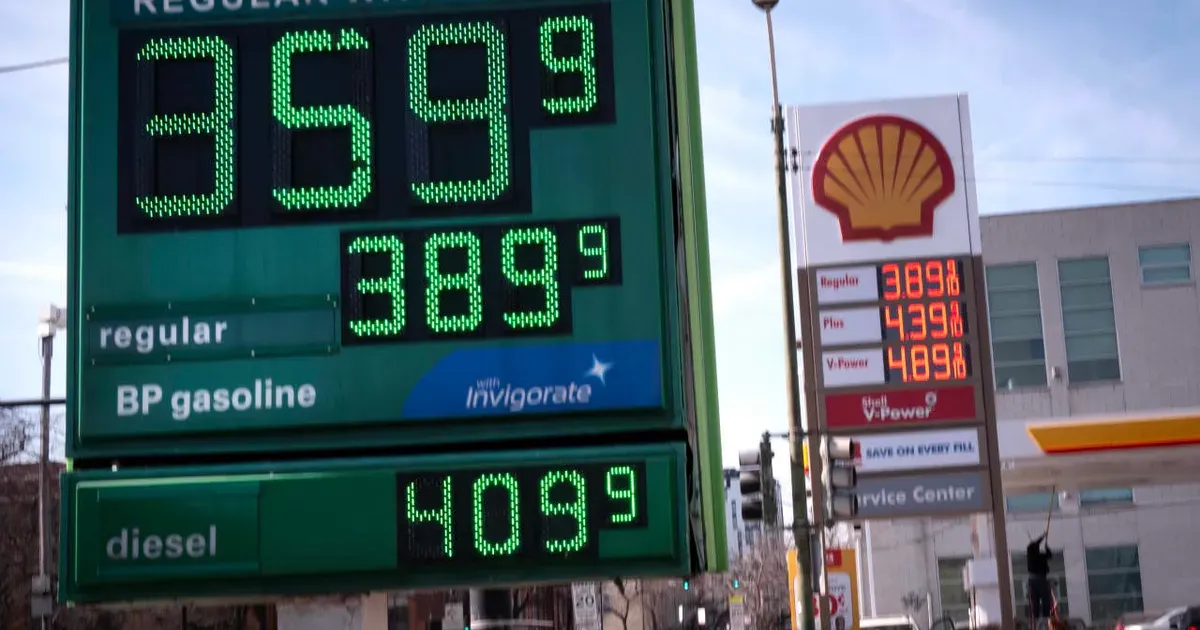
Washington is drawing from the Strategic Petroleum Reserve as a global energy shock pushes fuel prices toward a broader inflation problem. The move came as oil markets were already pricing wartime risk, tanker uncertainty and pressure on drivers. Traders were looking for any sign that supply pressure might ease. The White House also needed a visible answer. By March 12, 2026, the reserve had become a political tool as much as an energy tool because gasoline prices were reaching households faster than diplomacy could calm markets. The immediate goal is simple: add supply, cool expectations and show consumers that the government is acting. The harder question is whether a reserve release can change a market that is being moved by fear as well as barrels.
Washington is tapping the Strategic Petroleum Reserve to blunt a global energy shock, trying to slow the jump in fuel prices before it becomes a broader inflation problem.
Reserve Release Logic
The Strategic Petroleum Reserve exists for moments when supply disruption threatens the economy. It can put crude into the market quickly enough to ease panic, especially if traders believe more releases could follow. That makes Strategic Petroleum Reserve policy useful during a shock, but the reserve is not a normal fuel subsidy. It was built for emergency resilience, and every barrel used now is a barrel that may not be available later.
Officials therefore have to balance price relief against readiness. A modest release may look too small to affect markets. A very large release may raise questions about how much protection remains if the crisis deepens.
Inflation and Politics
Fuel prices are politically explosive because they are visible every day. Voters do not need a commodity chart to understand pain at the pump, and businesses quickly feel higher diesel, freight and delivery costs. That visibility gives Washington an incentive to act quickly. It also creates a risk that energy policy becomes reactive, with leaders chasing price headlines rather than building a durable strategy for supply, demand and emergency stocks.
The inflation channel matters as well. Higher fuel can spread through transportation, food, air travel and consumer expectations, making a temporary shock harder for central banks and households to ignore.
Market Limits
Reserve barrels can reduce pressure, but markets will still watch production, shipping lanes, refinery capacity and geopolitical signals. If traders believe the disruption is temporary, the release can reinforce that view. If they believe the disruption is widening, the release may only slow the price climb. There is also a timing problem. Crude released from storage still has to move through buyers, refiners and distributors before consumers feel relief. The announcement may affect prices faster than the physical barrels do.
The policy is most effective when it is paired with credible diplomacy, clear supply data and a plan to refill the reserve when markets calm.
Energy Security Test
The reserve release puts energy security back at the center of economic policy. It shows that emergency stocks still matter in a world of electric-vehicle growth, geopolitical conflict and fragile shipping routes. The best outcome would be a controlled drawdown that reduces panic without treating the reserve as a routine price-control account. The worst outcome would be a short-lived price dip followed by a deeper shock with fewer emergency barrels left.
For Washington, the test is not only whether gasoline prices fall next week. It is whether the government can protect consumers while preserving the strategic capacity it may still need if the energy shock gets worse.
The release also puts pressure on how officials explain the limits of emergency tools. A reserve draw can influence market psychology, but it cannot repair damaged infrastructure, reopen closed routes or make producers add barrels they are unwilling or unable to supply. That is why the policy has to be presented as a bridge, not a cure. If households expect immediate and permanent relief, even a technically successful release can look like a political failure when prices remain elevated. Refilling the reserve is another test. Buying crude back later can be expensive if prices stay high, and waiting too long can leave the country with less emergency cover. The government must therefore manage two markets at once: the current market for relief and the future market for rebuilding strategic capacity. That balancing act is especially difficult when every fuel-price movement becomes a political headline.
The strongest case for the drawdown is that energy shocks can become self-reinforcing. If drivers, airlines, shippers and refiners all assume that scarcity will worsen, behavior can move prices before physical supply collapses. A credible release can interrupt that psychology. But credibility depends on discipline: the reserve cannot be treated as an endless tool for every uncomfortable price spike. The policy also affects allies because reserve action can signal whether Washington is willing to coordinate during a shared shock. If other consuming countries release stocks at the same time, the psychological effect can be stronger. If the United States acts alone, the market may see the move as domestic politics first and supply management second. Coordination will therefore shape how seriously traders treat the intervention.
There is a household equity issue as well. Higher fuel prices hurt lower-income drivers, rural households and workers with long commutes faster than they hurt people with flexible work or newer vehicles. A reserve release is broad and imperfect, but it can still matter if it slows the pressure before families cut other spending. The release also raises a credibility question for future emergencies. If the reserve is used too often for price management, markets may discount its strategic purpose. If it is used too timidly during a real shock, households may conclude that emergency stocks are politically symbolic. The administration has to show that this drawdown is tied to a genuine disruption and a clear plan for what happens after the immediate pressure eases. That is why the reserve decision will be measured by more than one gasoline-price chart. It will be judged by whether it reduces panic, preserves emergency capacity and gives policymakers enough time to address the supply channels that created the shock in the first place.