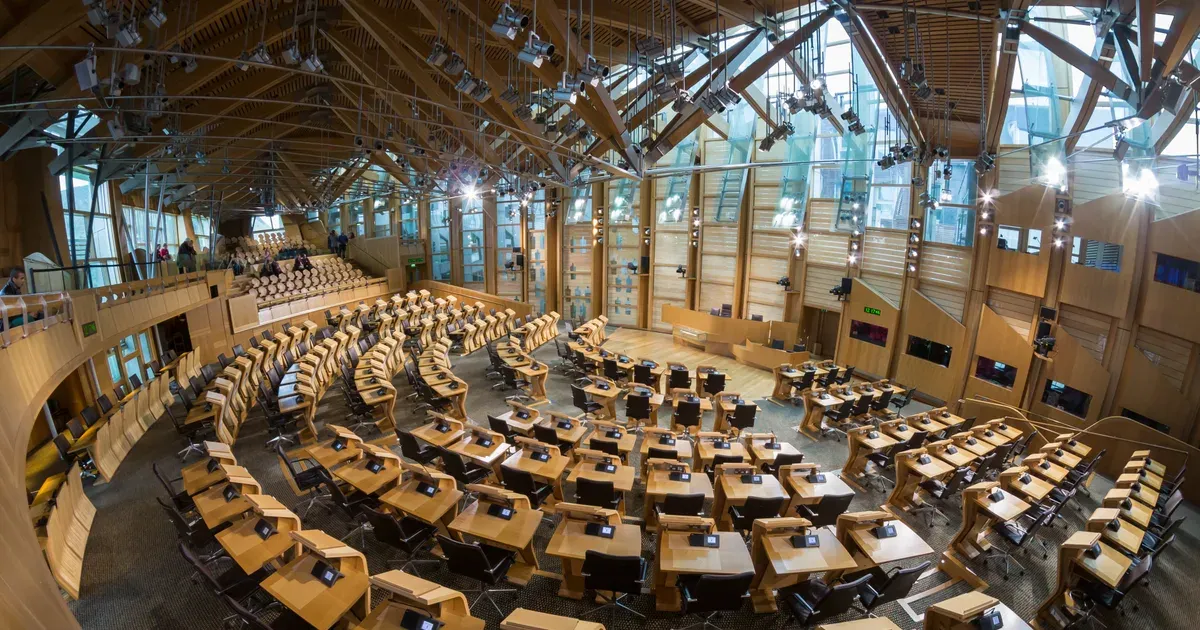
Scotland's information watchdog has accused the government of obstructing the Nicola Sturgeon inquiry, turning a document dispute into a constitutional and political test at Holyrood. David Hamilton said he no longer trusted ministers to handle relevant records properly. The accusation goes beyond delay and challenges whether the executive can be relied upon to preserve scrutiny. On March 13, 2026, the warning raised the possibility of unprecedented legal action to force disclosure. The dispute matters because inquiries depend on access to records. If officials can delay, narrow or suppress documents, the public cannot know whether the investigation is seeing the full picture. Hamilton is challenging the government's credibility as a keeper of evidence, not just its administrative pace.
Transparency Fight Escalates
The Scottish Government can argue that document handling is complex, especially when legal privilege, privacy and political sensitivity overlap. That argument weakens if the watchdog believes obstruction has become systemic. Hamilton's threat of legal action changes the tone. It signals that ordinary correspondence and compliance requests may no longer be enough to secure the records.
Hamilton is challenging the government's credibility as a keeper of evidence.
Sturgeon Inquiry Carries Political Weight
The inquiry remains sensitive because Nicola Sturgeon is not a routine former official. Her leadership shaped Scottish politics for years, and any investigation touching her administration carries broader consequences for the SNP and devolved governance. Sturgeon inquiry documents may reveal not only what decisions were made, but how ministers treated scrutiny after those decisions became controversial.
Opposition parties will likely frame the dispute as evidence of a secrecy culture. Ministers will try to keep the focus on procedure, lawful exemptions and the need to protect sensitive material.
Legal Action Would Set a Marker
If the watchdog goes to court, the case could set a strong precedent for how far Scotland's information commissioner can go when government compliance breaks down. The immediate issue is access to documents. The larger issue is whether public institutions can investigate themselves without appearing to control the evidence. That is why the dispute is likely to keep growing until the records question is settled.
Trust in Process Is the Issue
The most damaging part of Hamilton's statement is the loss of trust. Bureaucratic delay can be explained as overload or caution; a watchdog saying he no longer trusts the government implies a deeper institutional failure. That will matter to the public because transparency disputes are often technical. Deadlines, exemptions and document categories can sound remote until an official watchdog says the process itself has become unreliable.
Ministers may argue that they are protecting lawful confidentiality. They will need to show that protection is not being used as a shield against embarrassment. Holyrood faces a wider test over whether ministers can separate political embarrassment from their duty to preserve records. The Scottish Parliament now has to decide how aggressively to press the government for compliance. If lawmakers accept slow disclosure, the inquiry may lose credibility. If they escalate too quickly, ministers may accuse them of politicizing the process.
The balance is difficult, but the principle is not. The inquiry still depends on evidence complete enough for the public to trust the findings. A government that controls evidence too tightly risks making every later conclusion look incomplete. For Sturgeon, the dispute keeps attention on a period her party would prefer to move beyond. For the current government, it creates a live test of whether promises of transparency mean anything under pressure.
That is why the records fight has become larger than the records themselves. It is now a question of institutional confidence. The dispute may also affect how future ministers handle sensitive records. If the commissioner wins stronger enforcement, departments may become more careful about documenting decisions and responding to requests on time. That would be a meaningful institutional effect. Transparency law often works slowly, but the threat of court action can change behavior before a judgment is issued. For the SNP, the timing is uncomfortable. Any renewed attention on the Sturgeon era risks reopening internal divisions and giving opponents a simple message about secrecy. The government can still reduce the damage by cooperating fully and quickly. The longer the records fight continues, the more it looks like a story about concealment rather than process.
Hamilton's warning therefore creates a deadline even if no formal deadline is named. Either the government restores confidence through disclosure, or the watchdog will try to restore it through law. The legal path could be slow, but the political effect is immediate. Once a watchdog says he may need the courts to obtain records, every government assurance about cooperation becomes harder to accept at face value. That pressure can spread beyond the original inquiry. Journalists, opposition parties and civic groups may start revisiting other document disputes with new skepticism.
The Scottish Government's best response is not rhetorical. It is disclosure, clear timelines and a defensible explanation for any material that remains withheld. If ministers cannot provide that, the inquiry risks becoming a broader argument about whether devolved institutions are transparent enough when the subject is politically painful. The watchdog's position also creates a procedural warning for other administrations. If officials treat information law as a negotiation rather than an obligation, they may invite stronger enforcement powers and more intrusive oversight. That could reshape the balance between ministers and transparency regulators. Governments often prefer to control the pace of disclosure, but a court-backed commissioner would have more bargaining power to force deadlines.
The political cost of delay is already visible. Each unresolved document dispute keeps the Sturgeon inquiry in the news and makes the government look more defensive. In that sense, disclosure may be less damaging than resistance. Records can answer questions; obstruction creates new ones. The dispute also matters for ordinary freedom-of-information users. If a high-profile inquiry can run into resistance, smaller requesters may wonder how much chance they have when seeking records without political attention. That is why the commissioner's stance has institutional weight. It says the issue is not only one inquiry, one former leader or one set of documents. It is the reliability of the disclosure system when pressure rises. The next move from ministers will show whether they understand that distinction. The inquiry now depends on whether ministers can restore confidence in the document process. If the watchdog has to force disclosure through legal action, the dispute will become less about one investigation and more about the credibility of scrutiny at Holyrood.