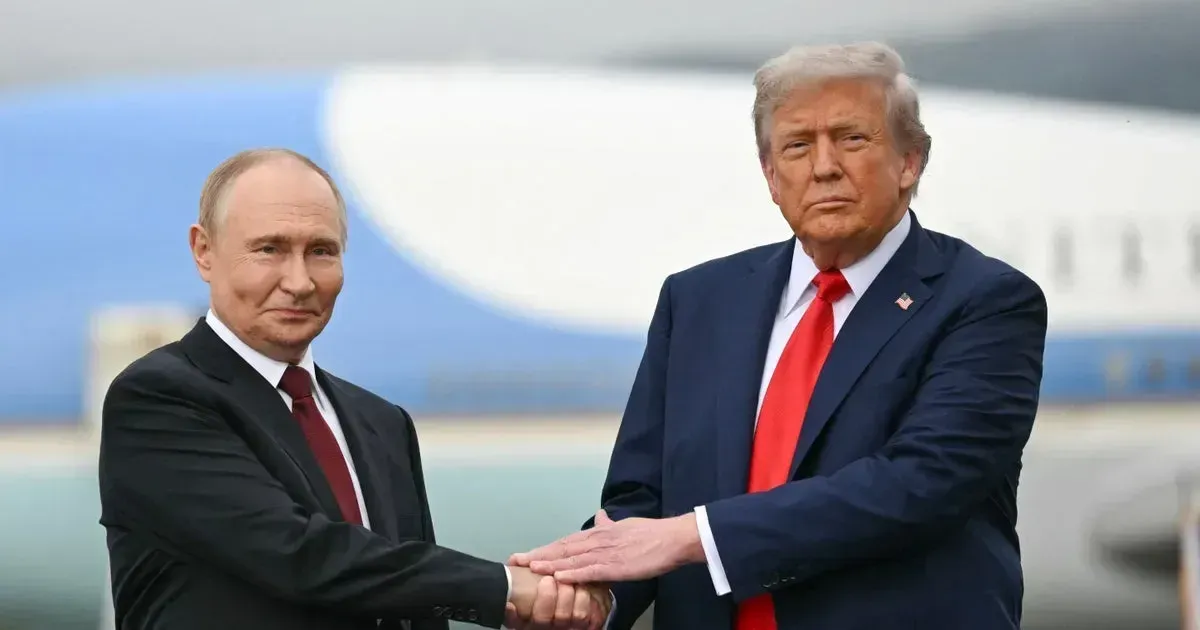
Washington signaled a dramatic shift in energy policy this Friday as the Trump administration issued a 30-day waiver on sanctions targeting Russian oil exports. Financial analysts at several major firms suggest the move aims to curb domestic inflation during a period of extreme volatility in the Middle East. President Donald Trump authorized the temporary suspension through an executive memorandum that effectively allows international buyers to use the American banking system for transactions involving Russian crude without fear of immediate penalty. The suspension was reported on March 13, 2026, as the White House weighed Russian oil sanctions against global supply pressure. Crude oil prices have recently fluctuated between $95 and $115 per barrel following disruptions in the Persian Gulf. Russia stands to reap massive financial benefits from this brief window of accessibility to global markets.
Moscow could see its monthly intake from energy sales grow by up to two-thirds compared to February totals. Experts at the Independent reported that the $10 billion influx of capital would likely erase months of losses sustained under previous restrictive measures. This decision comes at a time when the Kremlin faces mounting costs associated with its ongoing military presence in eastern Europe. Oil and gas revenue remains the primary engine for the Russian treasury. Recent data from the energy ministry in Moscow suggests that production levels have remained stable despite the four-year conflict. Many traders in Singapore and Geneva prepared for the waiver by positioning tankers near major Russian terminals like Primorsk and Novorossiysk.
Oil Sanctions Pause Reorders the Debate
Revenue from hydrocarbons is expected to surge throughout the second half of March. Still, the impact of this policy goes beyond the immediate dollar value of the barrels sold. Export volumes remain high because China and India have consistently purchased discounted Urals crude throughout the previous year. New buyers are now entering the market to take advantage of the legal safe harbor provided by Washington. Experts at the Independent suggest that Russia is set to earn up to two-thirds more this month from its oil and gas revenue than it did in February. These earnings would provide enough liquid capital to sustain military operations for several additional months.
Putin's war machine relies heavily on the steady flow of petrodollars to pay soldiers and manufacture munitions. Russia continues to find buyers in the Global South that prioritize cheap energy over European security concerns. The sudden opening of the U.S. financial system to these transactions removes a significant logistical hurdle for insurers and shipping companies. Most maritime insurance firms are based in Western jurisdictions and require such waivers to provide coverage for tankers. Without this insurance, the volume of Russian oil reaching the market would remain limited by the shadow fleet's capacity. By contrast, the 30-day window allows the mainstream shipping industry to participate in the trade.
Zelenskyy Pushes Back
Volodymyr Zelenskyy reacted with visible frustration during a televised address from Kyiv on Friday morning. The Ukrainian leader has spent years lobbying for a total embargo on Russian energy to starve the Kremlin of resources.
Ukrainian President Volodymyr Zelenskyy says the U.S. 30-day waiver on Russian oil sanctions amid the Iran war is "not the right decision" and won't help bring a stop to Russia's more than 4-year-old invasion of Ukraine.Zelenskyy emphasized that every dollar earned by Moscow during this period would eventually be converted into weaponry used against his country. His administration has called for an emergency meeting with the G7 to discuss the potential for a coordinated response to the U.S. move.
Ukraine faces a brutal spring as its energy infrastructure remains under constant threat from missile strikes. Relations between Kyiv and Washington have grown strained as the Trump administration focuses on domestic fuel costs. For one, the White House argues that a global energy crisis would in the end weaken the alliance supporting Ukraine by causing political instability in Western Europe. But the government in Kyiv views this logic as a betrayal of previous commitments. Zelenskyy pointed out that the 30-day period coincides with a planned Russian offensive in the Donbas region. He noted that the timing could not be more favorable for the Russian Ministry of Finance.
Iran War Pressure Shapes Crude Markets
Conflict in the Middle East has complicated the global energy picture as tensions between Iran and Israel reach a breaking point. Tehran has repeatedly threatened to close the Strait of Hormuz if its own oil exports are targeted by new sanctions. Energy security remains the top priority for the National Security Council in Washington. Prices at $120 per barrel are viewed as a catastrophic threshold for the American economy. To that end, the administration sees the Russian waiver as a necessary valve to release pressure on the global supply. Yet, the strategic cost of such a move is becoming apparent in the diplomatic sphere.
Separately, the Iranian navy has increased its presence in the Gulf of Oman, leading to higher insurance premiums for all tankers in the region. This tension has forced many companies to seek alternatives, including Russian crude, which travels through the Baltic and Black Seas. In fact, the shift in shipping routes has created a bottleneck at the Turkish straits. Turkey has reported a record number of tankers waiting for transit clearance this week. The Russian government has used this moment to secure long-term contracts with several emerging economies. However, these contracts are often contingent on the continued availability of Western financial services.
Republicans in Congress have largely supported the move as a way to lower the cost of living for American voters. They argue that the previous administration's focus on sanctions ignored the reality of energy interdependence. Democrats argue that the waiver undermines years of effort to isolate the Russian economy. $10 billion in new revenue for the Kremlin is seen by some as a direct subsidy for the invasion of Ukraine. Sources at the State Department indicate that the decision was made over the objections of several career diplomats. The internal debate highlights a growing rift in the American foreign policy establishment regarding the balance of power between energy needs and human rights. The Kremlin has not yet issued a formal response.
Investors on Wall Street responded positively to the news as energy stocks stabilized on Friday afternoon. Trading volumes for Russian-linked assets saw a minor uptick in secondary markets. Still, the long-term outlook for these sanctions remains uncertain. The 30-day window is designed to be a temporary measure, but many analysts believe it could be extended if fuel prices do not retreat. Moscow is betting that the political pressure on Washington will prevent a return to the status quo. The White House has not ruled out further waivers if the conflict in the Middle East continues to escalate.
Energy Policy Becomes Diplomatic Pressure
No one should be naive enough to believe that moral imperatives will reliably trump the cold reality of the American gasoline pump. While the White House prattles on about energy security and stabilizing the markets, the actual result is the direct financing of the very missiles raining down on Ukrainian cities. We are watching a superpower prioritize the convenience of its commuters over the sovereignty of its partners. If the U.S. cannot endure a temporary spike in fuel costs to stop a genocidal invasion, its leadership on the world stage is nothing more than a historical artifact. The 30-day clock is ticking, but the damage to American credibility will take decades to repair.
Zelenskyy is right to be angry, but he is wrong to be surprised.