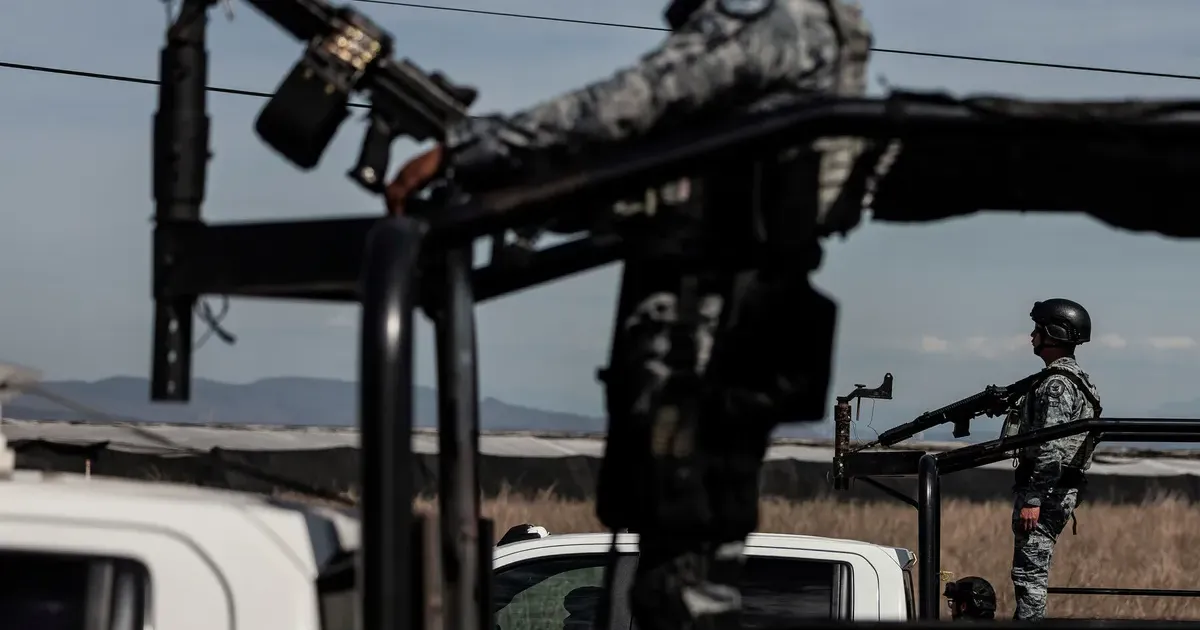
The White House debate over Sinaloa cartel action has collided with a DACA deportation lawsuit and a broader test of executive force. The report was published March 11, 2026.
The White House debate over Sinaloa cartel action is now colliding with a DACA deportation lawsuit and the limits of executive force.
California Lawsuit Challenges Expedited Deportation of DACA Recipient
California legal advocates moved to challenge the removal of Mara de Jesus Estrada Juarez today, filing a lawsuit that seeks to redefine the limits of executive power in 2026. Juarez lived under the protection of the Deferred Action for Childhood Arrivals program until federal agents removed her from the country last month. Her legal team argues that the administration violated federal statutes by ignoring a court order meant to halt the process. This litigation represents one of the first major judicial tests of the aggressive enforcement protocols enacted earlier this year. Lawyers for Juarez claim her deportation occurred despite her maintained compliance with all program requirements and a lack of criminal history. Washington has yet to provide a formal response to the filing. Federal agents apprehended Juarez in February during a localized enforcement operation in California. The sudden nature of her removal caught family members and legal counsel off guard, as her status was active at the time of the arrest. Every previous administration had generally respected the judicial stays associated with DACA litigation, but the current White House appears to have adopted a different standard. Beyond the individual tragedy, this case highlights a broader shift in how the Department of Homeland Security manages interior enforcement. Analysts believe the outcome of this suit will determine if the executive branch can unilaterally override existing immigration protections without specific congressional authorization.
Sinaloa Residents Weigh the Cost of American Intervention
South of the border, a different kind of aggression dominates the conversation in one of Mexico's deadliest regions. Residents of Sinaloa, long considered a bastion of cartel influence, find themselves caught between local criminal syndicates and a White House threatening unilateral military action. Donald Trump has repeatedly suggested that American forces could enter Mexico to dismantle drug manufacturing hubs. Such a move would break decades of diplomatic precedent and potentially ignite a larger conflict between the two neighbors. Surprisingly, the constant pressure of living under cartel rule has led some locals to reconsider their stance on foreign intervention. Records from local interviews show a growing exhaustion with the status quo, even if the alternative involves foreign soldiers on Mexican soil. Sinaloa remains the epicenter of this brewing international crisis. Cartels there have grown so powerful that they essentially function as shadow governments, collecting taxes and providing social services that the official state cannot manage. Because of this, some families in Culiacan expressed a cautious willingness to entertain the idea of American strikes. They describe a life of perpetual fear where the sound of gunfire is more common than the arrival of public services.
If the United States follows through on its threats, the resulting strikes would likely target the clandestine laboratories responsible for the bulk of the synthetic drugs entering American cities. Military planners in Washington are reportedly drafting options that include both drone strikes and special operations raids.
Legal and Geopolitical Friction Mounts in the Borderlands
Legal experts argue the Juarez case and the military threats against Sinaloa are two sides of the same coin. Both demonstrate an executive branch willing to bypass traditional legal and diplomatic channels to achieve immediate security goals. While the lawsuit in California focuses on the rights of an individual, the situation in Mexico addresses the sovereignty of a nation. One lawyer representing the Juarez family noted that the administration seems to view laws as suggestions rather than mandates. Security analysts warn that unilateral action in Mexico could backfire, strengthening the very cartels the White House aims to destroy by fueling nationalist sentiment against the United States.
Mexico City has remained firm in its opposition to any foreign military presence on its territory. The Mexican government views these threats as a violation of international law and a threat to its national identity. Yet, the internal reality in states like Sinaloa suggests that the central government is losing its grip on the narrative. Some community leaders in the region have openly questioned whether the Mexican military is capable of protecting them from the cartels without outside help. California courts now hold the power to halt a deportation machine that has accelerated beyond all historical norms.
The Changing Dynamics of Border Policy in 2026
Immigration enforcement has shifted from a civil matter to a high-priority national security objective over the last several months. Current policies prioritize rapid removal over the lengthy adjudication processes that once defined the American immigration system. This approach creates a high-stakes environment for the thousands of DACA recipients who still remain in the country. Many of them now live in a state of constant uncertainty, unsure if their paperwork will be honored by the next group of agents they encounter. The Juarez lawsuit will likely ascend to the Supreme Court as both sides seek a definitive ruling on the matter.
Military strategy regarding the cartels has also evolved sharply since 2024. Instead of focusing solely on border interdiction, the Pentagon is now looking at the source of the supply chain. This shift mirrors the counter-terrorism strategies used in the Middle East during the early 2000s. Trump argues that the cartels should be designated as foreign terrorist organizations to grant the military more leeway in its operations. If such a designation occurs, the legal barriers to cross-border strikes would diminish sharply under American law.
Still, the international community remains skeptical of any plan that ignores the sovereignty of a neighboring state. Washington officials have remained silent on whether the president will seek congressional approval before ordering cross-border strikes. Evidence of the human toll continues to mount as the legal battles and military posturing intensify. Juarez remains in Mexico, separated from her life in California, while her lawyers fight for her right to return. In Sinaloa, the population waits to see if the rhetoric from Washington will turn into physical reality.
The coming months will likely define the relationship between the United States and Mexico for the next generation. Whether through courtrooms or combat zones, the borderlands are witnessing a transformation that few could have predicted a decade ago.
Why Border Power Is Outrunning Law
Sovereignty remains the most inconvenient obstacle for a leader who views the world through a tactical scope. The White House is currently attempting to solve complex social and legal problems with the blunt force of military threats and expedited removals, a strategy that prioritizes optics over long-term stability. By deporting individuals like Mara de Jesus Estrada Juarez, the administration is effectively dismantling the rule of law it claims to protect. These actions signal a disregard for judicial oversight that should alarm any citizen who believes in the separation of powers. Meanwhile, the flirtation with military strikes in Sinaloa is a dangerous gamble that underestimates the complexity of Mexican internal politics.
History suggests that boots on the ground in a sovereign nation rarely achieve the surgical precision promised by politicians. Instead of a clean victory over cartels, the United States risks creating a quagmire that will haunt the border for decades. The aggressive posture might play well for a domestic audience, but it creates a vacuum where diplomatic solutions go to die. True security is built on stable institutions and mutual respect, not on the threat of a Predator drone or the sudden removal of a peaceful resident.