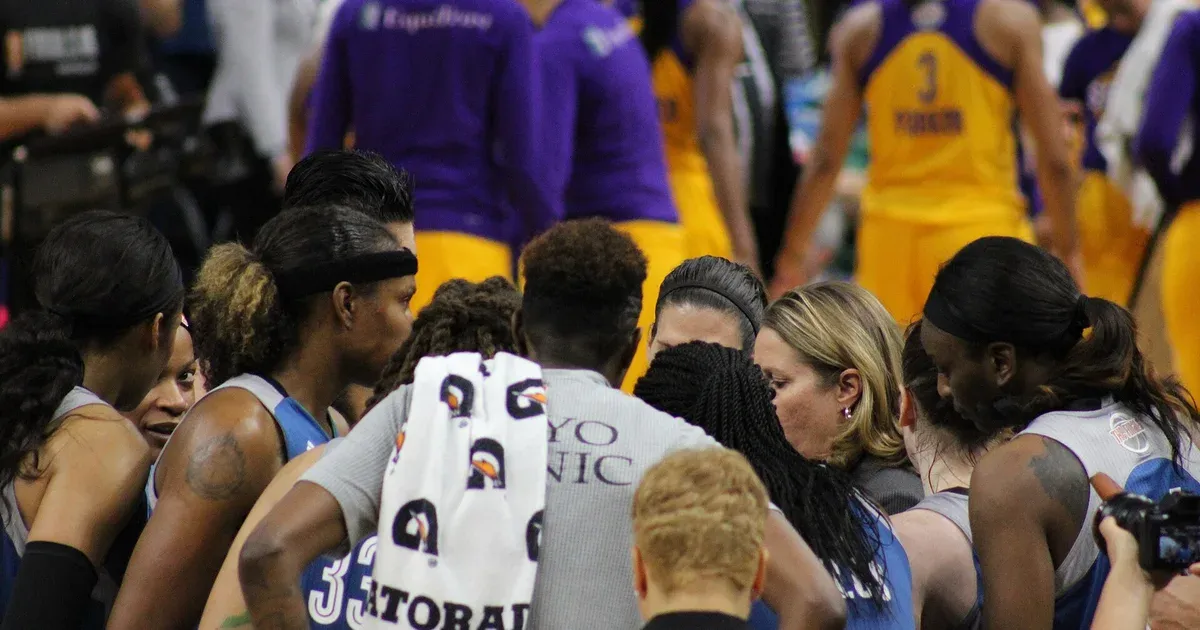
WNBA labor talks stalled after a marathon New York session, leaving revenue sharing and player benefits unresolved before a deadline season.
Deadlock in Manhattan
Negotiators for the WNBA and the Players Association emerged from a Midtown Manhattan skyscraper shortly before dawn on Wednesday. Twelve hours of intense deliberation yielded no signature. The mood remained somber. The stalemate carried into March 11, 2026, with the league and union still short of a labor deal. Commissioner Cathy Engelbert and WNBPA Executive Director Terri Jackson entered the room on Tuesday morning with hopes of finalizing a collective bargaining agreement that has been years in the making. Both sides now face the reality of a stalemate that threatens the start of the upcoming season. Sources close to the situation indicate that the primary friction stems from revenue sharing models. The league has entered a new era of prosperity. Recent media rights deals valued at billions of dollars have transformed the balance sheet of the organization. Players want their compensation to reflect this sudden wealth. Owners remain cautious about long-term sustainability. They cite the high costs of expanding into new markets like Toronto and Portland as reasons for fiscal restraint. The clock is ticking. Failure to reach an agreement soon would jeopardize the momentum built over the last two years. Television ratings reached historic highs during the previous summer. Corporate sponsorships have flooded the league. Star athletes have become household names on par with their male counterparts. Yet, the legal framework governing their employment remains stuck in a previous decade. The current 2020 agreement was designed for a league trying to survive, not one that is thriving. Broadcasting rights represent the largest piece of the financial puzzle. In 2024, reports surfaced of an eleven-year media deal worth approximately 2.2 billion dollars. This influx of cash changed the conversation overnight. Players argue that the previous salary structure is now obsolete. They pointed to the massive disparity between team valuations and player paychecks. A single franchise recently sold for a price that would have covered the entire league's payroll for years. Such numbers make the existing salary cap feel like a relic. Negotiations have been hampered by disagreements over the definition of hockey-related revenue, or in this case, basketball-related income. Players want a gross share of all revenue including jerseys, ticket sales, and international licensing. Owners prefer a net model.
The Multi-Billion-Dollar Question
Expenses for charter flights and upgraded facilities have eaten into the margins. These benefits were hard-won victories for the union in 2024. Now, the league argues that these operational costs should be factored into the profit-sharing equation. Management has reportedly offered a significant increase in the hard cap. But the union sees this as a distraction from the larger issue of equity. They want a soft cap system similar to the NBA. A soft cap would allow teams to retain their own stars by paying luxury taxes. This stalemate suggests a deep philosophical divide between the two parties. New franchises are scheduled to begin play within the next year. The Golden State Valkyries and the new Toronto club represent significant investments. These expansion teams paid fees in the tens of millions. Those owners expect a predictable labor environment as they build their brands. A work stoppage would be disastrous for these nascent markets. Investors did not buy into the league to see empty arenas during their inaugural campaigns. Veteran players also have specific demands regarding retirement benefits and healthcare. The physical toll of the game has increased as the schedule expanded. Longer seasons mean more wear and tear. Players are asking for lifetime health coverage for those who have served ten years or more in the league.
Owners have pushed back on the cost of such a program. They argue that the current insurance packages are already among the best in women's professional sports. Profitability has become a double-edged sword. Twelve months ago, the league celebrated its first profitable year in history. That milestone gave the players immense leverage. They know the league cannot afford a strike when public interest is at an all-time high.
Fans have shown they will show up for stars like Caitlin Clark and Aliyah Boston. The league needs those stars on the court to fulfill its obligations to advertisers. If the players walk, the advertisers might walk too. Terri Jackson has maintained a united front within the WNBPA. Younger players are particularly vocal about their worth.
Expansion Pressure and Union Demands
Many entered the league after lucrative NIL deals in college. They are accustomed to high valuations and personal brand management. These athletes are less willing to accept the gradual pay raises that satisfied previous generations. This gap between expectations and current offers is wide. Leadership within the union consists of seasoned veterans who remember the lean years. These women want to ensure that the current boom benefits everyone, not just the top tier of superstars.
Minimum salaries remain a sticking point. While the stars can make millions in endorsements, the players at the end of the bench still struggle with relatively low base pay. The union is fighting for a rising tide that lifts all boats. Such a goal requires a substantial increase in the total pool of available funds. League officials have expressed frustration with the pace of talks. They claim to have made multiple concessions regarding travel and housing.
Cathy Engelbert has often spoken about her vision for a league that is both elite and sustainable. She views herself as the steward of the game's future. From her perspective, a deal that is too generous today could lead to bankruptcy tomorrow. The memory of defunct women's leagues from the past still looms large in the minds of the older executives. Communication will likely resume within the next forty-eight hours. Both sides have retreated to their respective camps to consult with their boards and members.
The pressure from outside entities is mounting. Broadcasters are asking for updates on the schedule. City governments that have invested in new arenas are demanding clarity. The fans are the most vocal of all. Social media is filled with calls for a resolution before the preseason begins. That tension will define the next decade of the sport.
Whether the league chooses to share its newfound wealth or keep it in the hands of the owners will determine its cultural standing. The eyes of the sporting world are on New York. A deal is possible, but it requires a level of compromise that was not present during the marathon session this week. Both parties must decide what they value more: a bigger piece of the pie or the continued growth of the pie itself.
Why the Players Hold the Product
Why should the players wait for a trickle-down economy when they built the fountain from which the wealth flows? The WNBA is currently engaged in a classic corporate stall tactic, pretending that the league is still a fragile startup while its executives brag to Wall Street about record-breaking growth. Owners cannot have it both ways. You cannot sell franchises for fifty million dollars and then tell the athletes that there is no money for retirement health care. It is a blatant attempt to capture the surplus value created by a generation of stars who have revolutionized the cultural impact of women's basketball. The league is currently standing on the shoulders of players who were underpaid for decades.
To deny them a true revenue sharing model in 2026 is an insult to the progress they have achieved. If a work stoppage occurs, the blame lies squarely at the feet of the Commissioner's office. They are prioritizing the protection of expansion fees over the dignity of the labor force. The players are the product, the marketing, and the soul of the game. It is time the balance sheet reflected that reality without the accounting tricks and the feigned poverty that has defined these failed negotiations.