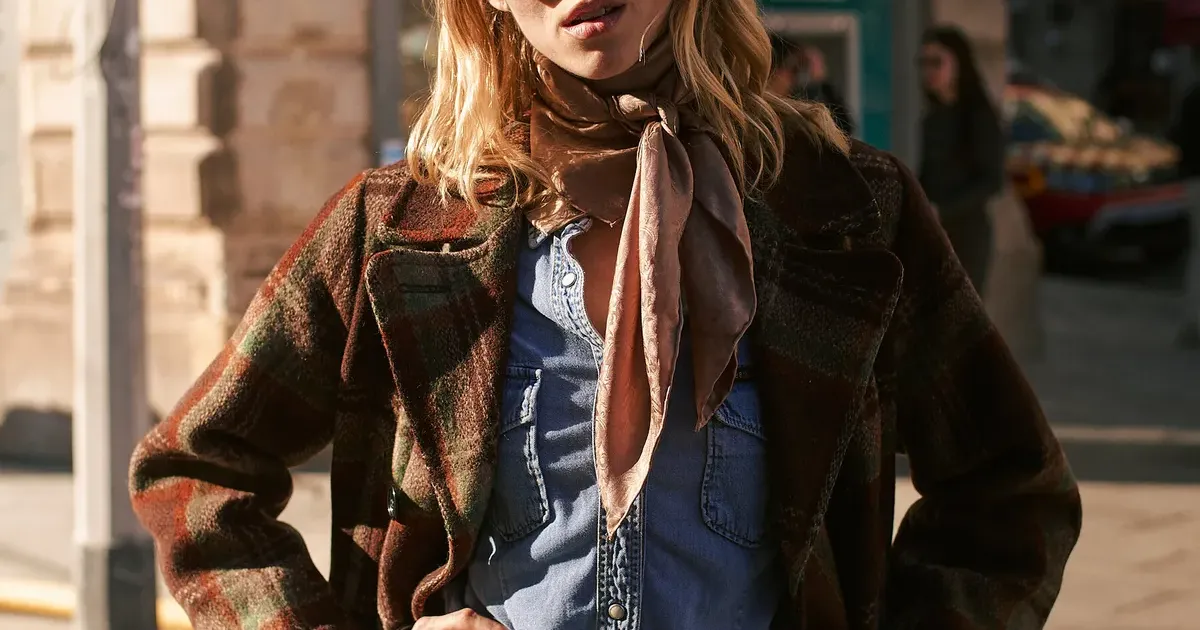
The Tuileries Garden Becomes a Global Stage
March 12, 2026, brought a flurry of activity to the cobblestone streets surrounding the Tuileries Garden as Zendaya stepped out in a look that silenced the crowd. She appeared not as a spectator but as a living sculpture, draped in an ensemble that merged architectural precision with an almost reckless sense of ease. Paris Fashion Week has always been a marathon of aesthetic endurance, yet this specific season witnesses the final dissolution of the barrier between the private runway and the public boulevard. Fashion editors and amateur photographers alike swarmed the Place Vendôme, hoping to capture the exact moment where high luxury meets the grit of the city. While the official schedules inside the Grand Palais remained rigid, the real narrative of the week unfolded on the asphalt.
Zendaya led the charge with a mastery of proportions that few of her peers can replicate. Working alongside her long-time stylist, she selected a silhouette that defied contemporary minimalism, opting instead for exaggerated volumes and a palette that mimicked the gray-blue hues of the Seine at dawn. Her presence alone served to validate the current industry shift toward what critics call sidewalk couture. This environment creates a unique pressure for celebrities who must look impeccable in the harsh, unforgiving light of a Parisian afternoon, away from the controlled lighting of a studio. Every movement she made was documented by a hundred shutters clicking in unison, creating a rhythmic percussion that defined the morning.
Style in its purest form requires no caption.
Luxury brands have recognized that the sidewalk is now their most effective billboard. Historically, the arrival of a celebrity at a fashion show was a logistical hurdle to be cleared as quickly as possible. In 2026, the arrival is the event. Sources from major houses like Louis Vuitton and Dior suggest that the social media impressions generated by a five-minute walk from a black SUV to the venue doors often outweigh the impact of the thirty-minute runway presentation itself. Bloomberg recently reported that engagement metrics for street-side celebrity arrivals have increased by 40 percent over the last two fashion cycles. Designers now specifically create pieces intended to catch the wind and the eye of the street-style photographer, focusing on movement and 360-degree visual appeal.
The Sociology of the Parisian Sidewalk
Photographers have transformed from fringe observers into the architects of brand perception. These professionals, many of whom have spent decades documenting the evolution of PFW, note that the 2026 season feels different because of its unapologetic extravagance. Years of quiet luxury and muted tones have given way to a desire for the theatrical. Bill Cunningham once remarked that the best fashion show is on the street, and today his observation has become the foundation of a multi-billion dollar marketing engine. The interaction between the subject and the lens has become a choreographed dance. Fans who traveled from as far as Tokyo and New York lined the metal barricades for hours, hoping for a glimpse of the icons who dictate global trends.
Extravagance did not end with Zendaya. Other notable figures appeared in outfits that balanced the line between costume and daily wear. One prominent actress arrived in a structured wool coat that featured hand-painted motifs, while another chose a sheer silk dress that seemed to float despite the brisk March wind. These choices reflect a broader cultural movement toward joy and carefree expression. Critics from various publications have noted that the 2026 collections represent a rejection of the austere aesthetics that dominated the early 2020s. People want to see clothes that tell a story, even if that story only lasts for the duration of a city block.
Luxury has abandoned the salon for the sidewalk.
Economic data from the Parisian retail sector indicates that the influx of high-profile visitors during this week provides a massive boost to the local economy. Hotels on the Right Bank reported 98 percent occupancy, with suites being utilized as temporary dressing rooms for global stars. The logistics of dressing a dozen A-list celebrities for different shows over seven days is a military-grade operation. Tailors and seamstresses work through the night in the back of luxury boutiques to ensure that every hem is perfect before the cameras start flashing. Such a high level of preparation ensures that the carefree look captured in photographs is, in reality, a product of intense labor and planning.
The Contradiction of Carefree Couture
Contradiction lies at the heart of the modern street style phenomenon. While the outfits are designed to look effortless, the infrastructure supporting them is increasingly complex. A high-resolution image of a star laughing on a Parisian street is often the result of weeks of negotiation between talent agencies and fashion houses. Reuters recently pointed out that the cost of dressing a single top-tier influencer for Paris Fashion Week can exceed the annual salary of a mid-level executive. Yet, the payoff for the brands is undeniable. Seeing a garment in the wild, even a curated version of the wild, makes the luxury dream feel more attainable to the consumer than a distant image on a runway.
Fashion remains a conversation between the wearer and the world. In Paris, that conversation is louder than anywhere else. As the sun set on the final day of the street style previews, the consensus among the industry elite was clear. Style is no longer about following rules but about creating moments that transcend the temporary nature of a trend. Zendaya and her contemporaries are not just wearing clothes; they are performing a role that blends celebrity, art, and commerce into a single, breathless image. The Parisian streets provided the perfect backdrop for this performance, proving once again that the city remains the undisputed capital of the fashion world.
The Elite Tribune Perspective
Stop pretending these candid shots happen by accident. The industry has successfully tricked the public into believing that Zendaya or any other global icon simply rolls out of a five-star hotel looking like a masterpiece of architectural tailoring. This is a cold, calculated transaction where every crease in a silk skirt is a line item in a marketing budget. We are watching the final stage of fashion’s transformation into pure content. The clothes themselves are secondary to the data they generate. While observers gush over the carefree nature of these Parisian outings, they ignore the reality that these streets have been turned into private studios for the 1 percent. The sidewalk used to be the last place where fashion was democratic and unpredictable. Now, it is as curated and sterilized as any corporate boardroom. If you want to see what real people are wearing, you have to look blocks away from the Tuileries, far from the reach of the brand-sponsored lighting and the velvet-roped enclosures. Paris Fashion Week has become a beautiful, expensive lie that we all agree to believe because the alternative is admitting that the soul of style has been bought and sold.