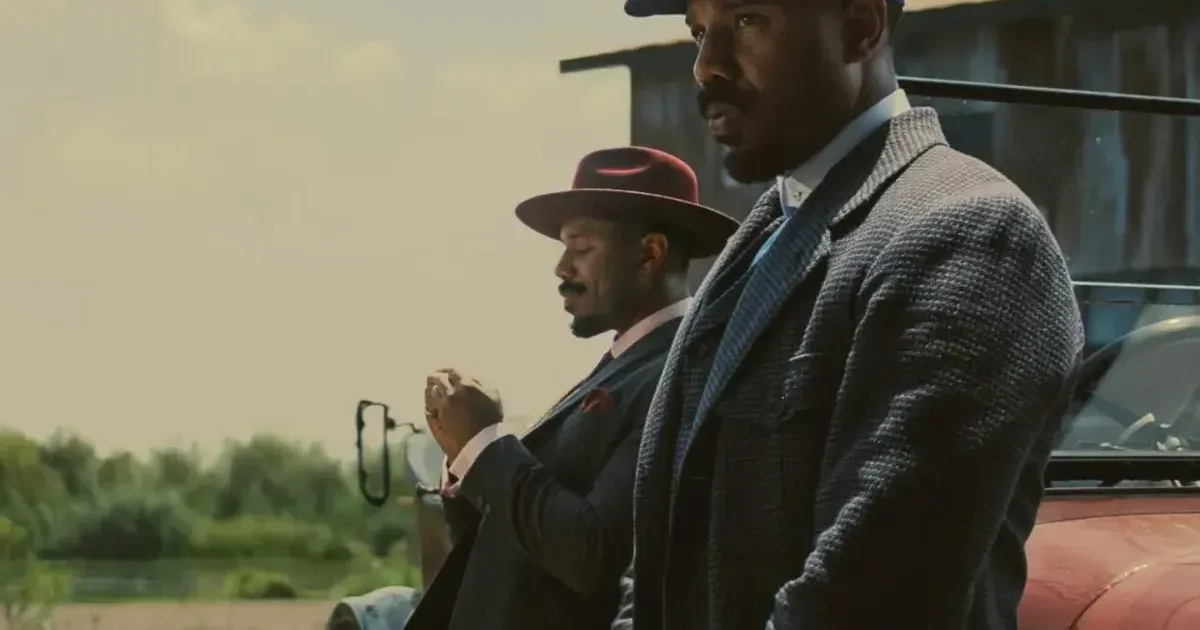
Michael B. Jordan secured the Best Actor trophy for his portrayal of twins Smoke and Stack in the film Sinners, ending a night of high-stakes competition at the Dolby Theatre in Los Angeles. Michael B. Jordan now enters the history books as the sixth Black man to win a leading role Oscar, following the path of legends like Sidney Poitier and Denzel Washington. Analysts had tracked the momentum for months as the film dominated the winter awards circuit. Sinners arrived at the ceremony with 16 Academy Award nominations, the highest count ever recorded for a single motion picture. While it did not sweep every category, the film converted critical nominations into four major wins throughout the evening. These victories covered disciplines ranging from acting and screenwriting to technical achievement and musical score. Members of the Academy appeared to favor the blend of commercial appeal and artistic rigor presented by the project. Meanwhile, the red carpet buzz centered on the technical demands of Jordan performing against himself in almost every scene of the thriller. Screen tests revealed the detailed motion-capture and lighting synchronization required to place both Smoke and Stack in the same frame without visible artifacts.
Michael B. Jordan Wins Best Actor
Jordan used his acceptance speech to honor the lineage of performers who broke racial barriers in Hollywood over the last century. He specifically named Forest Whitaker and Jamie Foxx as inspirations for his career path.
I stand here because of the people who came before me, Sidney Poitier, Denzel Washington, Halle Berry, Jamie Foxx, Forest Whitaker, Will Smith.
His victory is the first time a horror-inflected genre performance has taken the top acting prize since the early 1990s. Experts suggest the win reflects a shift in how the Academy perceives elevated genre filmmaking.
The industry reacted to the demanding physicality required for the dual roles.
Sinners Turns Genre Into Oscar Power
Ryan Coogler achieved a personal milestone by winning his first Academy Award for Best Original Screenplay. His script for Sinners handled a complex story involving Southern folklore, familial betrayal, and supernatural horror. Coogler had previously won screenplay honors at the Golden Globes and the BAFTAs earlier in the 2026 season. His win marks a rare moment where a writer-director is recognized for a script that also functions as a major summer blockbuster. The Academy voters rewarded the story structure that balanced character development with high-tension sequences. Coogler's writing process for the film involved extensive research into the 1930s Jim Crow era in the American South. He integrated historical realities with supernatural elements to create a story that felt both grounded and fantastical. The script underwent fourteen major revisions before production began at Warner Bros. Studios. Coogler remained involved in every aspect of the production, ensuring the thematic weight of the dialogue translated to the screen. His victory was one of the most anticipated moments of the broadcast. The night was not without its competitive tensions.
Historic Win Reshapes the Ceremony
Autumn Durald Arkapaw shattered a long-standing glass ceiling by becoming the first woman to win the Oscar for Best Cinematography. Her work on Sinners was praised for its use of 65mm film and inventive night-shooting techniques. During her speech, she asked the women in the room to stand up to acknowledge their collective progress in technical film roles. Arkapaw previously worked on high-profile projects like Black Panther: Wakanda Forever, but this win represents the pinnacle of her professional career. She is the first woman to ever take home the trophy in this category since the Oscars began nearly a century ago. The cinematography in Sinners relied heavily on practical lighting to create an oppressive, atmospheric mood. Arkapaw collaborated with the visual effects team to ensure that the supernatural elements did not overshadow the naturalistic textures of the Southern environment. She used custom-built lenses to capture the specific amber and charcoal tones of the film's dusk sequences. Industry veterans noted that her victory could inspire a new generation of female cinematographers to pursue major studio productions. The win was a clear endorsement of her visual signature.
According to Gizmodo, the film's visual style was a primary driver for its record-breaking 16 nominations. The Academy's branch of cinematographers historically leans toward traditional dramas, making this win for a vampire thriller particularly unusual. Arkapaw's use of light and shadow provided the necessary cover for the film's complex visual effects. Her achievement is a factual milestone for the 98th Academy Awards. The industry now looks to see how other productions will adapt her technical innovations.
Host Conan O'Brien opened the ceremony with a pre-recorded segment featuring his character Aunt Gladys from the film Weapons. This comedic choice served to lighten the mood before the heavy-hitting awards were announced in the first hour. O'Brien brought a chaotic energy to the stage, at one point being chased by a group of child actors through the aisles. The transition from pre-taped sketch to live stage performance was one of the few logistical successes in an otherwise tightly scheduled broadcast. Audience members laughed as the comedian transitioned into his traditional monologue. The presentation of the Best Original Song award sparked immediate backlash on social media. Composer Ludwig Göransson won his third Oscar for his work on the film, but the songwriters behind the hit Golden from KPop Demon Hunters were cut off during their speech. The orchestra began playing them off less than thirty seconds into their thank-you remarks. The recurring issue of timing during the live telecast continues to draw criticism from viewers and industry professionals alike. The abrupt cutoff prevented the artists from finishing their prepared statements.
The musical achievements of the night remained a central theme for the audience. Göransson's score for Sinners integrated traditional Southern blues with experimental electronic sounds to mirror the film's dualities. He had previously won for Oppenheimer and Black Panther, making him one of the fastest-rising composers in Hollywood history. His collaboration with Coogler has now resulted in multiple awards across two different decades. The film walked away with four Oscars in total, confirming its status as a major industry achievement. The ceremony concluded with the crowning of the year's most influential artists. Sinners may have missed the Best Picture prize, but its impact across the acting and technical categories was undeniable. Michael B. Jordan's win stands as the definitive moment of the 2026 awards cycle. The 98th Academy Awards proved that the voters are willing to embrace high-budget genre films if the craft is undeniable. Every winner left the stage with the knowledge that they had participated in a record-breaking year for cinema.
The night ended that balanced historical milestones with the typical friction of a live television production.
A Genre Performance Reached the Oscar Center
Why does the Academy continue to treat its musical talent like a secondary nuisance? The decision to silence the songwriters of Golden while allowing meandering comedic sketches to run long is a disgrace to the craft of filmmaking. We saw this same pattern in previous years, where technical awards were relegated to the sidelines, yet the producers of the 2026 telecast learned absolutely nothing. Ryan Coogler and Michael B. Jordan may have brought the prestige, but the ceremony itself remains a bloated, inconsistent mess that prioritizes ad revenue over the very artists it claims to celebrate.
We are watching an institution that is terrified of losing its relevance, so it invites genre films like Sinners to the table only to rush them off the stage as soon as the orchestra cues. This is not just a timing issue; it is a fundamental lack of respect for the collaborative nature of cinema. If the Academy wants to survive another century, it must stop treating its winners like props in a variety show. The historic win for Autumn Durald Arkapaw deserved more than a few seconds of airtime before the next commercial break.
Hollywood likes to pat itself on the back for progress while the logistics of its biggest night remain stuck in a pre-digital mindset of frantic pacing and arbitrary cuts.