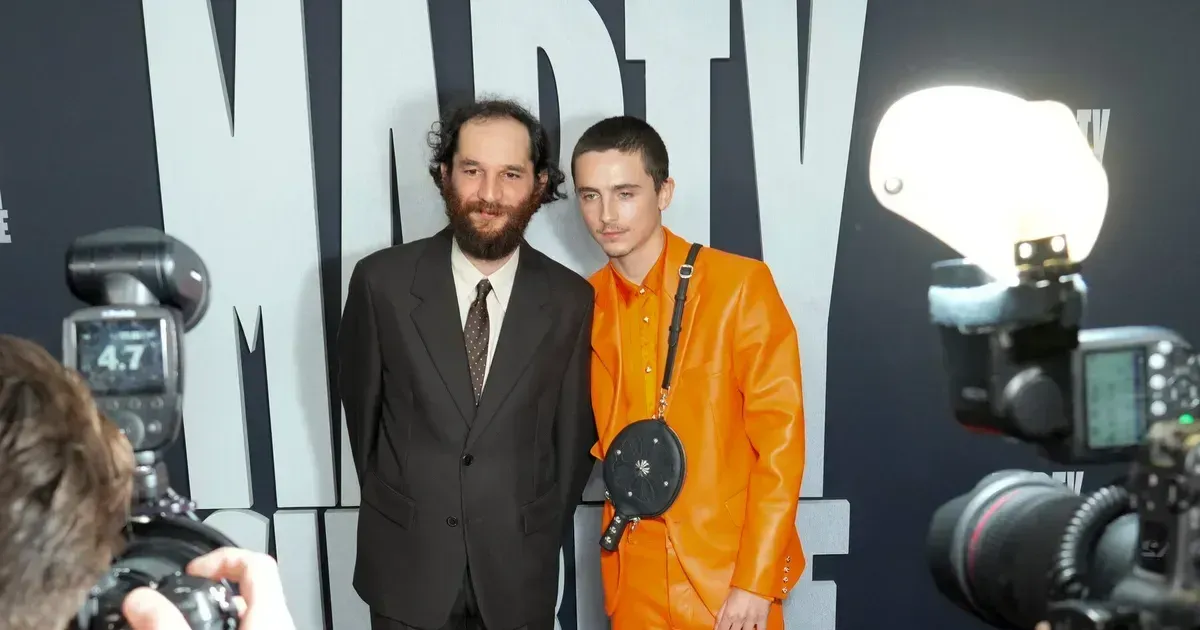
Timothée Chalamet walked out of the Dolby Theatre on Sunday without an Oscar for his leading role in Marty Supreme. His empty-handed departure capped a night where Hollywood established a rigid boundary between commercial stardom and industry accolades. A24, the studio that once dominated the 2023 ceremony with a near-clean sweep, found itself entirely shut out of the winners circle this year. Industry observers noted that the absence of a single trophy for the indie powerhouse is a significant change in voting behavior compared to recent cycles. The Academy Awards reset changed expectations for A24 and Chalamet.
Critics had predicted Marty Supreme would serve as the definitive vehicle for Chalamet to secure his first gold statuette. Yet voters opted for different directions, favoring performances that leaned toward classical theatricality rather than the frantic energy of the A24 hit. The disappointment for the studio was not limited to the acting categories. Every technical and narrative nomination for the production failed to materialize into a win, leaving the team to watch from the audience as other studios divided the spoils. Separately, the ceremony took a sharp turn toward high culture that many in the room found jarring. Ballet legend Misty Copeland delivered a performance that appeared to set the tone for the evening, reinforcing a return to traditional artistic disciplines. Jon Stewart, hosting the telecast on The Daily Show, took immediate notice of the aesthetic shift during his post-show commentary. He joked that opera and ballet had effectively defeated the modern movie star in a battle for the Academy heart.
Timothée Chalamet and the A24 Awards Slump
Voters shifted their gaze away from the niche aesthetic that defined the previous decade of independent cinema. Marty Supreme arrived at the ceremony with the momentum of critical acclaim, but that energy did not translate into ballots. For one, the Academy has expanded its membership sharply, bringing in thousands of international voters who may not share the specific tastes of the North American festival circuit. This expansion has altered the internal chemistry of the voting body in ways that remain difficult for campaigners to predict.
A24 executives had grown accustomed to the luxury of multiple wins in a single evening. On Sunday, they faced a different reality as the studio went zero for eleven across all nominated categories. In fact, the total exclusion of the studio is the most dramatic fall from grace since the major studios reclaimed their dominance in the mid-2000s. Still, the quality of the work was not the primary point of contention among the journalists covering the fallout from the press room. According to The New York Times, the shutout indicates a potential fatigue with the indie-darling narrative that has permeated the last five years of the telecast. Industry analysts suggested that the Academy is now seeking a more grandiose form of cinema. To that end, the intimate and often abrasive style of the A24 slate struggled to compete with films that embraced a more traditional, expansive scale of storytelling.
KPop Demon Hunters Winners Silenced by Academy Orchestra
History was made on Sunday when the team behind KPop Demon Hunters took the stage, but the celebration was cut short by a controversial production decision. As the winners began their acceptance speech, a snare drum and a crashing cymbal suddenly erupted from the pit. The orchestra mercilessly drowned out the voices of the winners, who were attempting to acknowledge the global impact of their work. It was a brutal live moment that left the audience in the Dolby Theatre visibly uncomfortable. Producers of the broadcast have long struggled with the length of the show, but the timing of this particular cutoff felt targeted to many viewers. The song had just made Oscars history as the first of its genre to win in its category. Even so, the logistical requirements of a live television window took precedence over the historical weight of the win. The abrupt music cue prevented the creators from finishing their prepared remarks, a move that sparked immediate backlash on social media platforms.
The diversified Academy and a mutating industry have changed what many had come to expect from the stuffy, rule-following Oscars.
By contrast, other winners in the early technical categories were allowed to speak well past their allotted time. This inconsistency raised questions about which winners the Academy deems worthy of a full platform. In particular, the contrast between the treatment of the KPop winners and the lengthy standing ovation for classical performers highlighted a deep cultural divide within the current production team. The tension was palpable as the broadcast moved to a commercial break immediately following the musical interruption.
Festival Circuit Influence Shifts Toward Sundance Awards
Traditional pathways to Oscar glory are losing their reliability as the industry evolves. For decades, the trifecta of Venice, Telluride, and Toronto was seen as an inescapable fixture on a film road to the ceremony. Best Picture winners like 12 Years a Slave and Moonlight cemented their reputations within that specific circuit. But the sound of audience applause at these fall festivals has become less of a guarantee for future success. Winning films now frequently emerge from Cannes, Sundance, or even SXSW, bypassing the established gatekeepers of the autumn months.
Guardian Culture reports that the diversifying voting body has lessened the grip of the major fall festivals. Some nominees this year bypassed the festival circuit entirely, relying instead on a strong theatrical release or streaming presence to build their case. This shift has left publicists and strategists scrambling to redesign their campaign calendars. The old rules of engagement, where a film had to premiere in Venice to be taken seriously, no longer apply in the 2026 field. Meanwhile, the absence of a festival pedigree did not seem to hurt several of the night’s big winners. In fact, one of the most awarded films of the night was a late-year release that avoided the festival frenzy altogether. Industry veterans argue that this democratization of the path to the Oscars is a natural result of a more globalized film market. To that end, the power of the Toronto and Telluride crowds appears to be waning in favor of a more decentralized awards season.
Jon Stewart used his platform on The Daily Show to dissect the evening with a heavy dose of irony. He pointed to the heavy inclusion of ballet and opera as a sign that the Academy is attempting to rebrand itself as a bastion of high art. The ceremony seemed to be distancing itself from the populist and internet-driven culture that films like Marty Supreme inhabit. Stewart noted that the win for classical disciplines over the contemporary appeal of Chalamet felt like a deliberate statement from the board of governors.
The performance by Misty Copeland was a specific flashpoint for this analysis. While the dance was technically proficient, its placement in the show suggested a desire to elevate the ceremony above the fray of modern celebrity gossip. In turn, the broadcast felt more like a gala for the performing arts than a celebration of the previous year in cinema. The change in tone may have contributed to the perceived coldness toward the A24 camp, which thrives on a more subversive and youthful energy.
But the ratings for the broadcast will be the final arbiter of whether this high-art approach was successful. Early data indicates a split between older viewers who appreciated the formal structure and younger audiences who felt alienated by the exclusion of their favorite stars. Stewart concluded his monologue by suggesting that the Academy might have accidentally traded its future relevance for a moment of traditional prestige. The final tally of the night certainly supports the theory that the Academy is currently looking backward rather than forward.
The Academy Is Choosing Prestige Over the Internet
The A24 shutout and Chalamet loss are not random disappointments. They signal an Academy trying to reassert control over taste after years of internet-driven momentum, youth fandom and indie-brand dominance. Voters did more than pass on one actor or one studio. They sent a message that cultural heat is not the same thing as institutional approval.
That may satisfy older members who want the Oscars to feel grand again, but it carries a risk. A ceremony that drowns out KPop history while rewarding the aura of high art can look less refined than frightened. Hollywood keeps saying it wants younger audiences. Then it builds a telecast that treats their cultural reference points as disposable. A24 and Chalamet lost trophies. The Academy may be gambling with relevance.