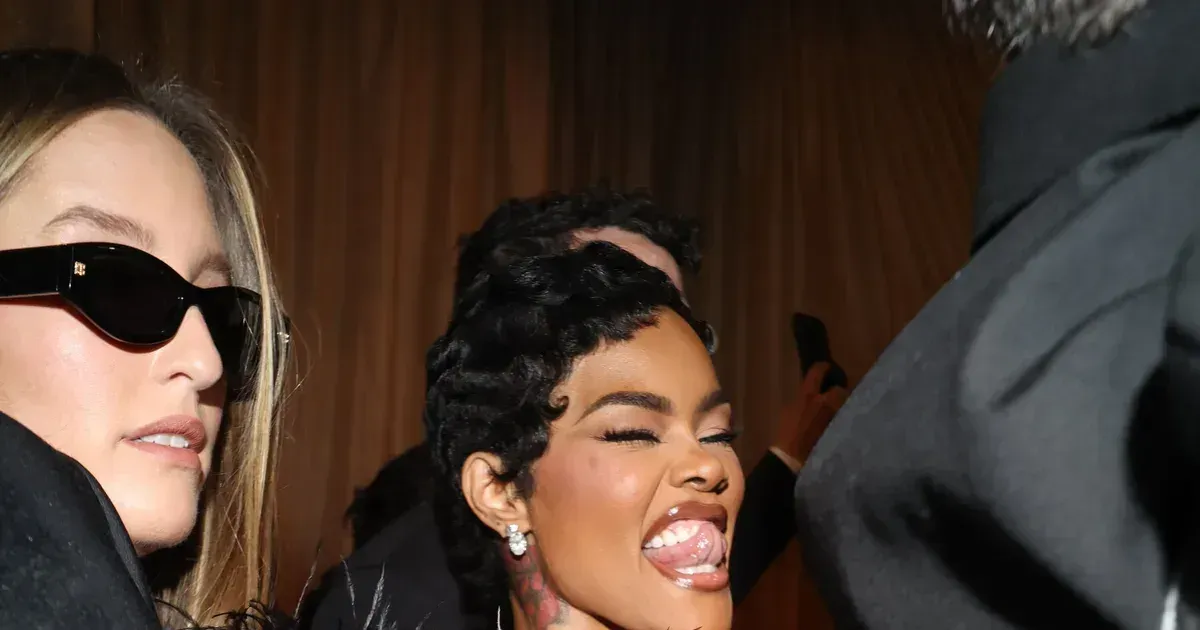
The 98th Academy Awards brought Emma Stone and a cohort of Hollywood stars to Los Angeles for a night defined by high-pressure glamour and professional disappointment. The arrival of Jessie Buckley set an early tone for the evening through a fashion choice that combined traditional couture with a modern, architectural edge. Observers noted that her appearance functioned as an early sign to the heavier dramatic shifts that would define the ceremony inside. Buckley has increasingly positioned herself as a regular presence on the awards circuit, often favoring designers who reject the safe, conventional palettes of previous decades. Meanwhile, Michael B. Jordan arrived with a presence that commanded immediate attention from the international press corps. His attire reflected a broader trend toward masculine fashion that embraces texture and unconventional tailoring over the standard black-tie tuxedo. Industry insiders suggested that such choices are no longer purely aesthetic but are calculated maneuvers to secure lucrative brand partnerships in a fragmenting media market. Hollywood's biggest stars turned heads on the red carpet at the 98th Academy Awards.
Oscars Fashion Favors Big Names
But the visual spectacle of the carpet often hides the immense logistical and financial machinery operating behind the velvet ropes. Every gown worn by performers like Emma Stone represents hundreds of hours of labor and thousands of dollars in insurance premiums. The 2026 ceremony saw a marked return to structural complexity, with several stars opting for garments that emphasized silhouette over heavy ornamentation. For instance, the prevalence of metallic fabrics and structured bodices pointed toward a nostalgic yet forward-looking interpretation of Hollywood royalty. Reporters from the BBC noted that the style choices this year felt more intentional, with fewer stars taking risks that lacked a clear story connection to their recent work. Stylists have become as essential to the Oscar machine as publicists, crafting images that must survive the scrutiny of high-definition broadcasts and social media algorithms. The red carpet remains a site of unpredictable human interaction despite the choreographed nature of the event. Grand entrances and statement-making fashion provide the backdrop for candid exchanges that often go viral before the first award is even presented. These moments are the lifeblood of the Academy's attempts to remain relevant to a younger, more digitally native audience that values authenticity over scripted speeches. According to industry observers, the most discussed story of the night involved Timothée Chalamet and his performance in the film Marty Supreme. Chalamet arrived at the ceremony as a heavy favorite for the Best Actor category, marking his third Academy Award nomination in a career that has seen him move from indie darling to global icon. His presence on the carpet was a magnet for photographers, yet the air of expectation was tempered by the looming possibility of an upset. The evening did not culminate in the victory many fans and critics had anticipated.
Even the personal lives of the attendees often rival the awards themselves for the top spot in news cycles. Kylie Jenner joined Chalamet for the evening, creating a high-profile date night that dominated the headlines of lifestyle and entertainment outlets. Their appearance together was their most public outing during a major awards season, providing an exercise in how modern celebrities manage their public personas through high-profile events.
The internal atmosphere of the ceremony was punctuated by a series of unconventional jokes regarding the intersection of high art and popular culture. These included several references to the ballet and opera worlds, a niche comedic direction that received a mixed reception from the live audience. Some attendees found the humor to be an intellectual step up from previous years, while others felt it alienated the broader television audience watching from home.
Michael B. Jordan and other leading men used their platform to highlight the growing diversity within the industry's top tiers. While fashion remained the primary focus for the cameras, the underlying conversations on the carpet touched on the shifting economics of streaming and theatrical releases. The 2026 Oscars functioned as a litmus test for a Hollywood that is still struggling to find its footing in a post-pandemic economic reality.
Red Carpet Attention Followed Star Power
Observe the red carpet long enough and the art of cinema begins to look like a secondary concern to the art of the brand. This 98th iteration of the Academy Awards proved that the ceremony is now a high-fashion trade show masquerading as a celebration of storytelling. When the primary takeaway from a night of cinematic achievement is the exact shade of a velvet suit or the presence of a reality television mogul, the industry has clearly traded its soul for engagement metrics.
The snub of Chalamet is not a failure of his talent but a failure of a voting body that remains terrified of the very youth culture it desperately tries to monetize through red carpet invitations. We are watching the slow death of the movie star and the rise of the walking advertisement, where the tuxedo matters more than the performance it covers. If the Academy wants to survive until its centennial, it must stop treating its nominees like mannequins and start treating them like the artists they claim to be.
The spectacle has finally eaten the substance, leaving us with a glittery shell of what was once the world's most meaningful cultural export.