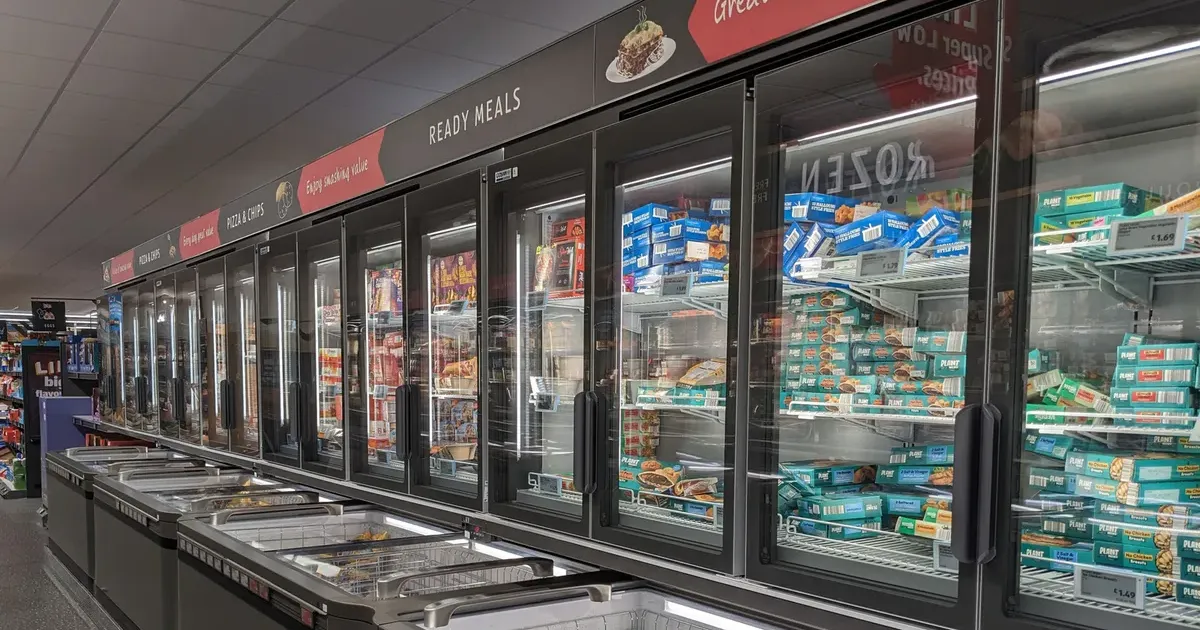
Aldi shoppers on March 28, 2026, increasingly turned to the Fremont Fish Market Jumbo Butterfly Shrimp as a centerpiece for cost-effective social gatherings. Demand for this specific frozen item has spiked among hosts seeking professional-grade appetizers without the logistical burden of scratch-made seafood. Market analysts attribute the trend to a broader shift in consumer spending toward premium frozen goods. Hosts now prioritize convenience and consistency over traditional, labor-intensive food preparation methods.
Retail performance data indicates that the frozen seafood sector grew by 4.2 percent in the last fiscal quarter. Aldi captured a marked portion of this growth through its private label strategy. By controlling the supply-chain of the Fremont Fish Market brand, the German-owned retailer maintains lower price points than traditional grocery competitors. One package typically retails for less than $6.00 in most metropolitan markets.
Seafood Supply-chain and Private Label Strategy
Global seafood logistics rely on rapid processing to maintain the integrity of the product from ocean to freezer. Suppliers for the Fremont Fish Market label use flash-freezing technology immediately after harvest. This process prevents the formation of large ice crystals, which often degrade the texture of shrimp during thawing. Quality control standards at these facilities must meet rigorous safety benchmarks before export.
Supply-chain efficiency allows the retailer to bypass third-party distributors that often inflate costs for name-brand frozen appetizers. Direct sourcing from coastal processing hubs ensures that the jumbo butterfly shrimp remains affordable for the average consumer. Modern inventory management systems track real-time sales to prevent stockouts during peak hosting seasons. Stock levels are currently improved for the spring social calendar.
Private label dominance remains the foundation of the discounter business model.
Competitive pricing does not necessarily indicate a reduction in ingredient quality. Most frozen shrimp products in the United States are sourced from sustainable farms in Southeast Asia or South America. These regions provide the scale necessary to meet the demands of a large retail footprint. Fremont Fish Market utilizes these global networks to secure bulk quantities of jumbo-sized crustaceans. This successful private label strategy is also being used by competitors like Trader Joe's to expand their specialized grocery offerings.
Economic Shifts in Frozen Food Consumption
Consumer behavior has evolved as inflationary pressures redirected discretionary income away from high-end catering services. Families and social groups now host events at home, using premium frozen options to mimic the restaurant experience. This phenomenon, often termed insourcing, has benefited retailers that offer sophisticated appetizers. The jumbo butterfly shrimp is a primary example of this market migration.
This dish is easy to prepare and stands well on its own, so it is a pleasant surprise that it is straight from the freezer section at Aldi, according to a report from Tasting Table.
Convenience factors heavily into the purchasing decisions of younger demographics who lack formal culinary training. Preparing raw seafood requires specific knowledge regarding de-veining and temperature control. Pre-breaded options eliminate these risks while providing a predictable outcome. Air fryers have further accelerated this trend by offering a crisp texture that oven baking rarely achieves.
Market research suggests that the frozen appetizer segment will reach $22 billion globally by the end of the decade. Growth in this sector stems from improvements in breading technology and moisture retention. Modern coatings, such as the Panko-style crumbs used on the butterfly shrimp, stay crispy even when subjected to varying household heat sources. Consistency is the primary driver of repeat purchases.
Culinary Performance and Consumer Feedback
Preparation of the Fremont Fish Market Jumbo Butterfly Shrimp requires approximately 15 minutes in a standard convection oven. Instructions recommend a high-heat environment to ensure the breading achieves a golden-brown hue. Internal temperature monitoring remains a standard safety practice for all frozen proteins. Most consumers report that the shrimp retains its structural integrity without becoming rubbery during the heating process.
Visual presentation often influences the perceived value of an appetizer during a party. The butterfly cut increases the surface area of the shrimp, making the portion appear larger and bigger. This aesthetic choice caters to hosts who want to create an impressive spread with minimal effort. Tail-on presentation provides a natural handle for guests at standing receptions.
Taste profiles remain consistent across different production batches.
Retailers continue to monitor social media feedback to gauge the success of seasonal items. Enthusiast groups dedicated to grocery finds often highlight the butterfly shrimp as a reliable option for emergency entertaining. Viral mentions on digital platforms frequently lead to localized shortages. Store managers often increase order volumes following spikes in online engagement.
The Elite Tribune Strategic Analysis
Convenience has officially murdered the traditional dinner party as we once knew it. The rise of items like the Fremont Fish Market Jumbo Butterfly Shrimp is not a victory for culinary art, but rather a surrender to the exhaustion of the modern workforce. Middle-class hosts have abandoned the prestige of the kitchen for the reliability of the industrial freezer. The shift is a calculated trade-off where time is the only currency that matters. While food critics might sneer at the lack of artisanal effort, the balance sheet of the average household tells a different story.
If a six-dollar box of frozen shrimp can satisfy a room of guests, the incentive to hire a caterer or spend four hours de-veining raw shellfish disappears. We are moving toward a future where the definition of a good host is simply someone who knows which frozen aisle has the highest protein-to-sodium ratio. It is the commodification of hospitality in its final form. Those who cling to the idea that entertaining requires sweat and skill are ignored by the market.
The success of these frozen products proves that for most people, the appearance of quality is just as valuable as the reality of it.