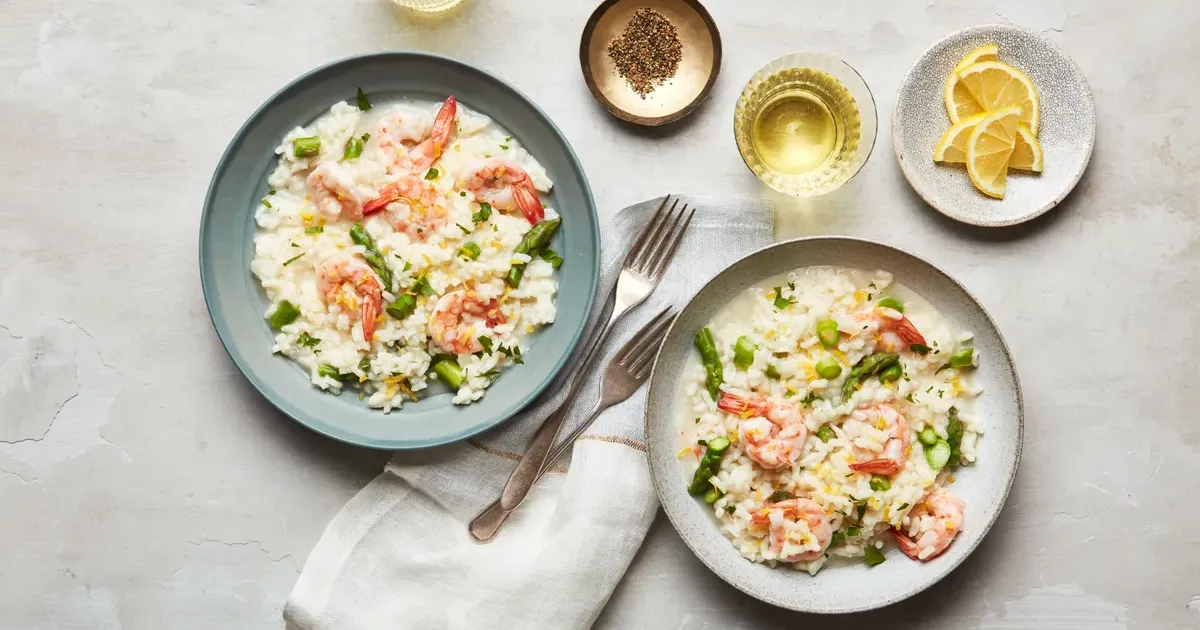
March 28, 2026, marks the conclusion of a high-traffic month for digital culinary platforms as home cooks prepare for the arrival of spring. Epicurious reports a meaningful surge in user engagement metrics centered on vibrant, acidic flavor profiles and plant-based alternatives. Aggregated user behavior data suggests a distinct preference for dishes that bridge the gap between late-winter comfort and early-spring freshness. Lemony shrimp risotto and tandoori-style cauliflower became the most-saved entries within the mobile application during this thirty-day window. These selections mirror a broader shift in domestic kitchen priorities toward ingredients that offer both brightness and nutritional density.
Seasonal Appetites Shift Toward Citrus and Seafood
Consumer preferences usually pivot sharply during the transition from the first-quarter into the second. Heavy stews and root-vegetable-based soups, which dominated Epicurious archives in January, have now been replaced by recipes featuring higher acidity. Citrus, particularly lemon, acts as a primary driver for these saving habits. Home cooks often use lemon to cut through the richness of traditional starches, creating a sense of seasonal progress. Lemony shrimp risotto shows this trend, pairing the creamy texture of short-grain rice with the sharp bite of lemon zest and juice. While seafood consumption typically remains steady year-round, March 2026 has seen a specific uptick in shellfish queries.
Technical complexity often dictates which recipes users choose to save rather than simply view. Risotto requires a level of active participation that many casual cooks find intimidating. Saving the recipe suggests an intent to master the technique during leisure time, likely on weekends. Success in risotto hinges on the gradual addition of warm stock, which allows the Arborio or Carnaroli rice to release its starch. The inclusion of shrimp provides a lean protein source that cooks in minutes, minimizing the risk of overexposure to heat. Bright green peas or asparagus tips frequently accompany this lemony shrimp risotto in user-modified versions of the dish.
Our data shows that March is the month where people finally abandon winter braises for something that feels like sunshine, a spokesperson for Epicurious stated in a recent press release regarding app engagement.
Technical Execution of Lemony Shrimp Risotto
Precision remains the foundation of any successful rice-based Italian dish. Cooks must maintain the stock at a low simmer throughout the process to ensure the rice temperature never drops. Epicurious users have gravitated toward versions of lemony shrimp risotto that use high-quality butter and Parmesan cheese to achieve a silky mouthfeel. Cold butter added at the very end, a process known as mantecatura, creates the essential emulsion that defines professional-grade risotto. High-resolution imagery within the app highlights the contrast between the pink shrimp and the pale, translucent rice grains. Such visual cues drive save rates among younger demographics who prioritize aesthetic appeal in their cooking.
Freshness is a non-negotiable factor for the lemon component of the meal. Using bottled juice instead of freshly squeezed citrus often results in a metallic aftertaste that ruins the delicate balance of the shrimp. Most users prefer recipes that incorporate both the juice and the zest to maximize the aromatic qualities of the fruit. Lemony shrimp risotto recipes that include a splash of dry white wine like Pinot Grigio or Sauvignon Blanc also see higher engagement levels. The wine provides a necessary secondary acid that complements the lemon while deglazing the pan after the initial aromatics are sautéed. Garlic and shallots provide the foundational flavor profile for this specific March favorite.
Rise of Tandoori Cauliflower and Meatless Cooking
Vegetables have undergone a reputational transformation within the digital recipe space over the last decade. Tandoori-style cauliflower has become a staple for those seeking a flavorful, low-carb alternative to meat-heavy entrees. This dish relies on a marinade of yogurt and a blend of spices including cumin, coriander, turmeric, and garam masala. High heat is required to mimic the environment of a traditional clay tandoor oven, which chars the exterior of the cauliflower while keeping the interior tender. Many users save this tandoori-style cauliflower recipe because it offers a complex flavor profile with relatively low ingredient costs. Cauliflower remains a budget-friendly option even as inflation affects other produce categories.
Spices used in tandoori-style cauliflower provide not merely flavor; they offer a visual vibrancy that translates well to digital platforms. The deep orange of the turmeric and the bright red of Kashmiri chili powder create a striking presentation. Home cooks are increasingly comfortable with international flavor profiles, moving away from basic roasted vegetables. Tandoori-style cauliflower is a central component of the modern plant-forward diet, often paired with mint chutney or a cooling cucumber raita. The versatility of the vegetable allows it to be was a main course or a serious side dish. App data indicates that search terms for meatless Monday are at their highest in March 2026.
Business Architecture of the Epicurious Digital Ecosystem
Digital publishing has shifted toward a subscription-heavy model to offset the decline in traditional advertising revenue. Condé Nast, the parent company of the brand, has successfully integrated the app into a broader paywall strategy. Access to the most-saved recipes often requires a premium membership, turning culinary content into a recurring revenue stream. The company reported that over 600,000 active subscribers now use the digital platform for daily meal planning. This monetization strategy depends on a constant influx of high-quality, tested recipes that justify the monthly cost to the consumer. Lemony shrimp risotto and tandoori-style cauliflower are part of a curated library designed to retain these paying users.
Internal algorithms within the app play a marked role in which recipes gain traction. When a user saves a dish like lemony shrimp risotto, the system automatically suggests similar flavor profiles or techniques. This creates feedback loop where certain recipes remain at the top of the charts for weeks. The Epicurious recommendation engine utilizes machine learning to analyze user preferences and regional ingredient availability. If a user in London saves tandoori-style cauliflower, the app might suggest a side of naan or a specific lentil dal. Such personalized experiences have led to an increase in time-spent-on-app metrics across all global markets. Engagement during the evening hours remains the highest as users plan their dinners.
Investment in high-end food photography has proven to be a primary driver for recipe saves. Condé Nast reportedly spends over $120 million annually on content creation across its lifestyle brands. Quality lighting and styling can make a standard tandoori-style cauliflower look like a luxury item. Users are more likely to save a recipe that features a professionally shot hero image than one with amateur photography. The emphasis on visual storytelling helps maintain the brand's position in a crowded market of free recipe blogs. Reliability remains the second most important factor for app users. They trust that a recipe from this specific source has been tested in a professional kitchen before publication.
The Elite Tribune Strategic Analysis
Why do we stockpile digital instructions we rarely execute? The act of saving a recipe is less about dinner tonight and more about the curation of a future self who has the time, energy, and ingredients to cook perfectly. Epicurious has mastered the art of selling a lifestyle through these March save lists. By highlighting lemony shrimp risotto and tandoori-style cauliflower, the platform taps into the aspirational nature of the seasonal transition. We want to be the person who carefully stirs rice for twenty minutes or who expertly chars a whole head of cauliflower in a 450-degree oven.
The app functions as a repository for these culinary ambitions, even if the majority of saved items are never actually cooked. Data from 2026 shows that only 50% of saved recipes are accessed a second time within thirty days. The gap between intent and action is where digital media companies find their profit. They sell the possibility of a better lifestyle, one lemon-zested dish at a time. The behavior pattern reveals a deep desire for domestic order in an increasingly chaotic world.
As long as users feel they are one recipe away from a perfect meal, the subscription model will thrive. The true value of the app lies not in the food produced, but in the temporary satisfaction of organized potential. We are not just saving recipes; we are archiving the versions of ourselves we hope to eventually become.