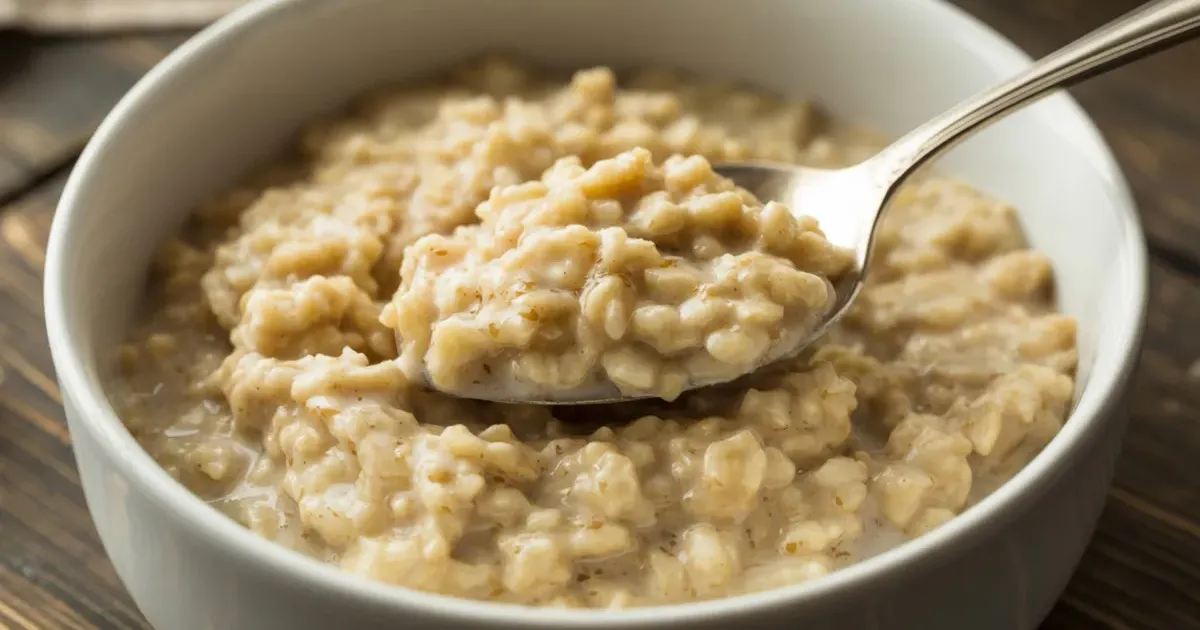
March 28, 2026, saw Tasting Table release new findings on why boiling heat ruins the delicate texture of oatmeal during breakfast preparation. Culinary researchers argue that the aggressive agitation of a rolling boil disrupts the structural integrity of the oat grain. Because of high heat levels, the starch molecules within the oat behave in a chaotic manner that prevents a creamy consistency. Most home cooks mistakenly prioritize speed over temperature control when preparing their morning meal. Low temperatures provide the necessary environment for gradual hydration without the gummy side effects.
Aggressive heat forces the outer layers of the grain to cook while the interior remains dry and resistant. Experts consistently point to the simmering point as the ideal threshold for successful porridge.
Molecular changes begin the moment the oat enters the liquid medium. Starch granules inside the oat, specifically amylose and amylopectin, absorb water and swell at specific temperature ranges. If the liquid reaches 212 degrees Fahrenheit too quickly, these granules burst prematurely. Bursting releases an excess of starch into the liquid, creating a thick, gluey paste rather than a smooth sauce. Professional kitchens avoid this by maintaining a gentle simmer where small bubbles barely break the surface. Texture depends entirely on the rate of starch release during the cooking cycle. Rapid boiling traps pockets of raw starch inside clumps of gelatinized material. These lumps remain even after extended cooking times.
Starch Chemistry and Grain Degradation
Grain morphology dictates how heat travels from the water into the oat germ. Steel-cut oats possess a smaller surface area relative to their volume, making them particularly sensitive to temperature spikes. By contrast, rolled oats have been steamed and flattened, which exposes more of the starch structure to immediate heat. When a cook allows the pot to reach a vigorous boil, the outer starch layer forms a barrier. Liquid cannot penetrate this barrier effectively, leading to an uneven final product. Culinary science identifies this phenomenon as case hardening in larger culinary contexts.
Water must move into the center of the grain at a pace that matches the gelatinization of the exterior. Porridge cooked at 100 degrees Celsius fails to achieve the necessary balance for a pleasant mouthfeel.
Mechanical action from boiling water adds another layer of complexity to the texture problem. Violent bubbles toss the oats around the pot, causing physical abrasion against the sides and other grains. Physical damage to the grain surface allows even more starch to leak out into the surrounding water or milk. Sticky textures result directly from this over-extraction of starch. Simmering minimizes this physical movement, allowing the oats to remain relatively still as they absorb moisture. Steam carries enough energy to cook the grain without the need for turbulent liquid movement. Precision is required to maintain a temperature just below the boiling point. Many induction stoves offer settings that help prevent the liquid from rolling over into a boil.
Simmering Ratios and Thermal Precision
Liquid selection influences the boiling point and the resulting texture of the oatmeal. Water boils at a lower temperature than milk because of the lack of dissolved solids and fats. If a cook uses milk, the proteins can scorch and the fats can emulsify poorly when subjected to extreme heat. Simmering allows the fats in the milk to coat the oat grains, providing a silkier finish. Most recipes suggest a ratio of four parts liquid to one part oats for steel-cut varieties. Rolled oats typically require a two-to-one ratio to reach the desired consistency.
Deviating from these ratios while using high heat leads to either a watery soup or a scorched mass. The bottom of the pot often develops a burnt layer when the heat is too high. Scorched starch imparts a bitter flavor that ruins the entire batch of porridge.
Making oatmeal may seem easy, but it actually does take some skill and finesse, according to culinary researchers at Tasting Table who investigated the causes of lumpy morning meals.
Patience remains the most meaningful factor in achieving a restaurant-quality breakfast. Rushing the process by turning the dial to high heat always leads to a sub-optimal result. Rolled oats generally require between ten and fifteen minutes of gentle heat to fully hydrate. Steel-cut oats need closer to thirty minutes to reach a tender yet chewy state. Constant stirring is often cited as a solution for lumps, but it actually increases starch release. Minimal stirring combined with low heat yields the best structural results. Excessive agitation combined with high heat creates a product that resembles wallpaper paste. High-quality oats deserve a cooking method that respects their natural composition.
Industrial Processing Impacts on Heat Sensitivity
Manufacturing techniques determine how individual oats respond to various heat levels. Quick oats undergo more extensive processing than old-fashioned rolled oats, making them thinner and more porous. Because they are so thin, quick oats can vanish into a gelatinous sludge in seconds if the water is boiling. Old-fashioned oats retain more of their bran and germ, providing a sturdier structure against thermal stress. Whole groats represent the least processed form and require the longest cooking times at the lowest temperatures. Every stage of processing increases the vulnerability of the starch to high-heat degradation.
Industrial rollers flatten the grain, which creates micro-fissures in the starch matrix. These fissures act as entry points for boiling water, leading to rapid and uneven swelling. Traditional Scottish methods involve a slow soak before any heat is applied.
Pre-soaking oats reduces the total time required on the stove and helps reduce the need for high heat. Overnight soaking allows the water to penetrate deep into the grain without the use of thermal energy. When the oats are finally heated, they require only a few minutes at a simmer to become palatable. Many nutritionists argue that soaking also improves the digestibility of the grain by breaking down phytic acid. High-heat boiling does not offer these same benefits and can actually diminish the availability of certain vitamins. B-vitamins are sensitive to extreme heat and may degrade during prolonged boiling.
Simmering preserves the nutritional profile while enhancing the texture. Traditionalists often use a wooden tool called a spurtle to stir their oats. This tool is designed to prevent the oats from clumping without crushing the grains.
Professional Standards for Texture Consistency
Chefs in high-end breakfast establishments monitor the temperature of their porridge with industrial precision. Consistent results require a heat source that does not fluctuate during the cooking process. Copper-bottomed pots or heavy cast iron help distribute heat evenly, preventing hot spots that cause localized boiling. If one section of the pot boils while another simmers, the texture becomes inconsistent. A single batch might contain both mushy and crunchy grains. Quality control starts with the vessel used for preparation. Shallow pans are less effective than deep, heavy-walled pots for maintaining a steady simmer.
Evaporation occurs too quickly in shallow pans, forcing the cook to add more liquid and disrupt the temperature. Professional standards dictate a slow, steady rise in temperature to the simmering point.
Timing starts only once the liquid reaches the correct thermal threshold. Adding oats to cold water and bringing them up to a simmer together produces a different result than adding them to already simmering water. Cold-start methods lead to a creamier, more integrated texture because the starch begins to release early. Adding oats to simmering water helps individual grains stay separate and distinct. Neither method should ever involve a rolling boil. If a boil is reached accidentally, the best course of action is to remove the pot from the heat immediately.
Cold liquid can be added to drop the temperature back down to a safe range. Most professional recipes for steel-cut oats call for a five minutes rest period after cooking. Resting allows the remaining moisture to distribute evenly throughout the grain. Residual heat finishes the cooking process without the risk of scorching.
The Elite Tribune Strategic Analysis
Culinary shortcuts often masquerade as efficiency when they are actually acts of quality sabotage. The modern obsession with speed has convinced a generation of consumers that boiling is the only way to prepare hot cereal. This technical error reflects a broader misunderstanding of starch gelatinization and thermal dynamics in the kitchen. If a cook cannot spare twenty minutes for a proper simmer, they should perhaps reconsider their choice of breakfast entirely. Speed-focused preparation methods result in a product that is nutritionally and texturally inferior.
High heat is a tool for searing and reduction, not for the gentle hydration required by whole grains. The failure to distinguish between these two thermal goals is a hallmark of the amateur kitchen. There is no legitimate defense for a rolling boil in oatmeal preparation. Professionalism in the culinary arts is defined by the discipline to wait for the slow physical processes that define flavor and texture. Those who prioritize the clock over the thermometer will continue to serve gluey, lumpy bowls of disappointment.
True quality requires a rejection of the high-heat shortcut in favor of the controlled, patient simmer. Success in the kitchen is measured by the texture on the tongue, not the minutes saved on the stove.