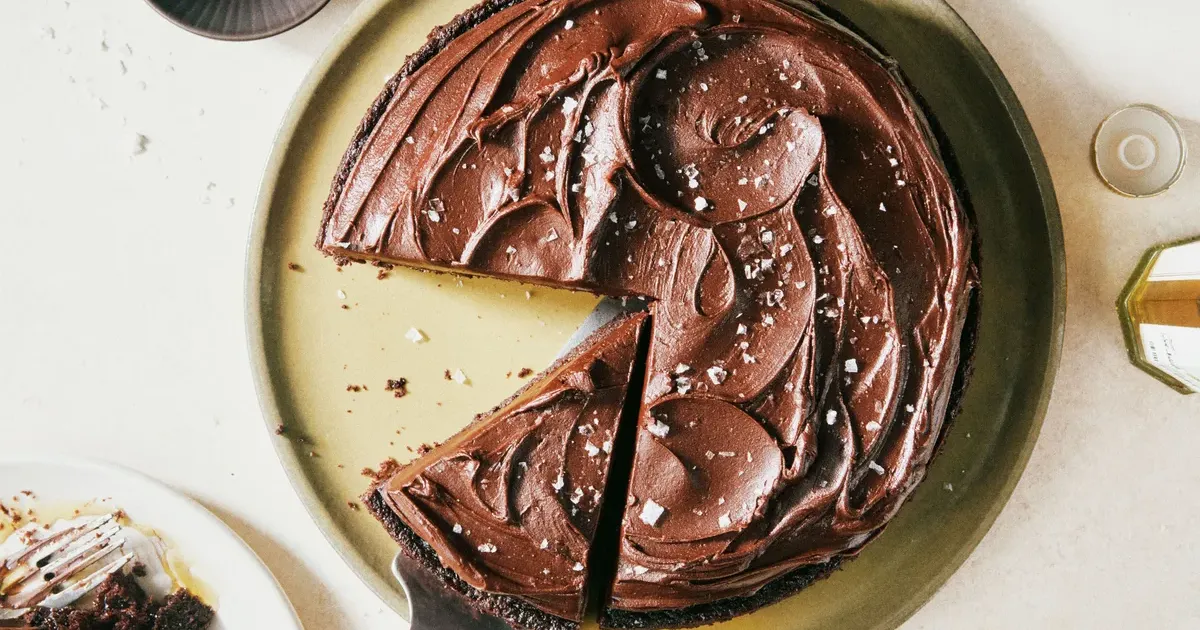
Bon Appetit editors revealed on March 27, 2026, that their latest recipe tests focused on a signature Chocolate–Olive Oil Cake alongside a range of elevated weeknight staples. Culinary staff at the publication spent the preceding weeks refining textures and flavor balances for a demographic increasingly interested in sophisticated, low-effort home cooking. Data from internal testing logs suggests that the use of monounsaturated fats in dessert structures is still a primary interest for readers seeking a specific moisture profile. Professionals in the test kitchen focused on crumb density and the interaction between cocoa solids and oleic acid content.
Critics often overlook the chemical necessity of liquid fats in high-moisture cakes. Traditional butter-based cakes rely on aeration through the creaming process, which can lead to dryness if overbaked or stored improperly. By contrast, the substitution of olive oil ensures that the protein structures in the flour remain coated in a hydrophobic layer. Such a physical barrier prevents the formation of tough gluten networks even when the batter is mixed vigorously. Food scientists have noted that this specific cake variant maintains its structural integrity and perceived freshness for several days longer than dairy-heavy alternatives.
Chemistry of the Chocolate Olive Oil Cake
Market analysts tracking the premium oil sector have observed a 12% rise in the consumption of extra virgin olive oil specifically for baking applications. Consumers in the United States and Europe have shifted away from neutral oils like canola or vegetable blends in favor of flavor-forward alternatives. This transition is not merely about health perceptions, but rather the pursuit of complex flavor notes that interact with the bitterness of dark chocolate. High-quality oils often provide a peppery finish that cuts through the sugar content of the dessert. Producers of specialty oils are now tailoring their harvest schedules to produce milder, buttery profiles suited for the pastry industry.
Refining the crumb of a Chocolate–Olive Oil Cake requires a delicate balance of leavening agents and acidic components. Most recipes used by the test kitchen involve a combination of baking soda and natural cocoa powder to trigger an immediate carbon dioxide release. Yet, the inclusion of a high-quality oil can sometimes weigh down the batter, requiring a precise ratio of eggs to provide structural lift. Observations from the Bon Appetit kitchen emphasize that the oil must be streamed in slowly to maintain a stable emulsion. The resulting texture is closer to a dense torte than a sponge, a characteristic that has gained traction on social media platforms for its visual appeal when sliced.
Technical Shifts in Brown-Butter Pasta Preparation
Preparation of smoky brown-butter pasta has become a centerpiece of the publication's spring strategy. Chefs focused on the Maillard reaction, a chemical process where amino acids and reducing sugars give browned food its distinctive flavor. While traditional brown butter provides a nutty aroma, the introduction of a smoky element often requires the addition of charred aromatics or smoked salts. Experts in the culinary field argue that the balance of fat and acid is the most critical component of this dish. For instance, the use of pasta water to create a glossy emulsion is a technique that separates amateur results from professional-grade outcomes.
Temperature control remains the most sizable hurdle for home cooks attempting this specific pasta preparation. Butter begins to foam as water evaporates, quickly followed by the browning of milk solids. If the pan exceeds 300 degrees Fahrenheit for too long, the fat will transition from nutty to bitter and eventually burnt. To that end, Bon Appetit recommends pulling the pan from the heat just before the desired color is reached. Residual heat continues the cooking process for several seconds. Most successful iterations of the recipe involve finishing the pasta directly in the butter sauce with a splash of lemon juice to provide a bright counterpoint.
Like smoky brown-butter pasta and hot honey–glazed salmon.
According to an editorial statement from the magazine, these recipes are designed to bridge the gap between rigorous technique and accessible ingredients. The quote highlights a broader shift toward ingredients that provide high impact with minimal processing time. Hot honey has moved from a niche condiment to a pantry staple, driven by a growing appetite for the "swicy" flavor profile that combines sweetness and heat. In fact, retail sales of chili-infused honey products grew by $11 billion globally over the last fiscal cycle. This growth indicates a permanent change in how consumers approach simple proteins like fish.
Market Expansion of Hot Honey and Glazed Salmon
Salmon is the primary canvas for these flavor innovations due to its high fat content and ability to withstand aggressive seasoning. Glazing techniques have evolved to include higher concentrations of capsaicin and vinegar-based reductions. Meanwhile, the seafood industry is watching these trends closely as they impact the types of cuts requested at fish counters. Center-cut fillets are preferred for glazing because they offer a uniform surface area for the honey to caramelize. In particular, the skin-on approach provides a texture contrast that many editors believe is essential for a restaurant-quality experience at home.
And yet, the sourcing of the honey itself has come under scrutiny by environmental groups. Sustainable apiaries are struggling to keep up with the demand from large-scale food processors who need consistent heat levels in their spicy infusions. Some manufacturers have turned to synthetic capsaicin to maintain uniformity, though Bon Appetit continues to advocate for natural infusions. The complexity of honey varies by floral source, meaning a clover honey will produce a different glaze than a wildflower or orange blossom variety. Each choice affects the final viscosity of the glaze and how it adheres to the protein during the roasting process.
Evolution of Test Kitchen Standards at Bon Appetit
Staff members at the test kitchen have modernized their approach to recipe development by incorporating diverse global techniques. Historical recipes for olive oil cakes often originated in Mediterranean regions where butter was scarce or expensive. Modern adaptations treat the oil as a luxury ingredient rather than a substitute. This philosophical shift has allowed for more creative experimentation with savory elements in sweets. For one, the addition of sea salt or rosemary to a chocolate base is no longer considered experimental but a standard expectation for the brand's audience.
Instructional clarity has also become a priority as the publication moves toward a digital-first distribution model. Each recipe undergoes multiple rounds of testing by different individuals to ensure that the written directions are foolproof. That said, the kitchen still leaves room for personal intuition, encouraging cooks to adjust seasoning based on their specific ingredients. The method of teaching promotes a deeper understanding of culinary fundamentals rather than rote memorization. The focus remains on the why of the cooking process, such as why a certain fat behaves a specific way under heat.
Strategic partnerships with ingredient producers often influence which recipes receive the most editorial space. While the magazine maintains its editorial independence, the rise of branded content has made the selection of specific oils or salts a point of discussion. For instance, a recipe might call for a specific brand of flaky salt that the publication has vetted for its mineral content and crunch. The level of detail helps maintain the brand's authority in a crowded marketplace. The final selection of recipes for any given week is a reflection of current grocery store availability and seasonal peaks.
The Elite Tribune Perspective
Gastronomy has always been a weapon of class signaling, and the current fetishization of olive oil in baking is no exception. The move toward "elevated" domesticity, championed by publications like Bon Appetit, serves to mask a growing void in genuine culinary literacy. By promoting recipes that rely on high-cost niche ingredients like artisanal hot honey and single-origin oils, the industry creates an aspirational barrier that focuses on aesthetic over actual skill.
The Chocolate–Olive Oil Cake is not just a dessert; it is a lifestyle marker for a demographic that wants the social capital of a home-cooked meal without the labor of mastering traditional pastry techniques. The record confirms a shift where the quality of the pantry is used as a proxy for the talent of the cook. The trend commodifies the kitchen into a gallery of luxury goods, where the act of cooking is secondary to the act of procurement.
While the recipes themselves may produce a technically sound result, they reinforce a culture of consumption that values the brand of the oil more than the technique of the bake. The culinary media complex continues to sell the illusion that a bottle of $40 oil can bridge the gap between a novice and a master.