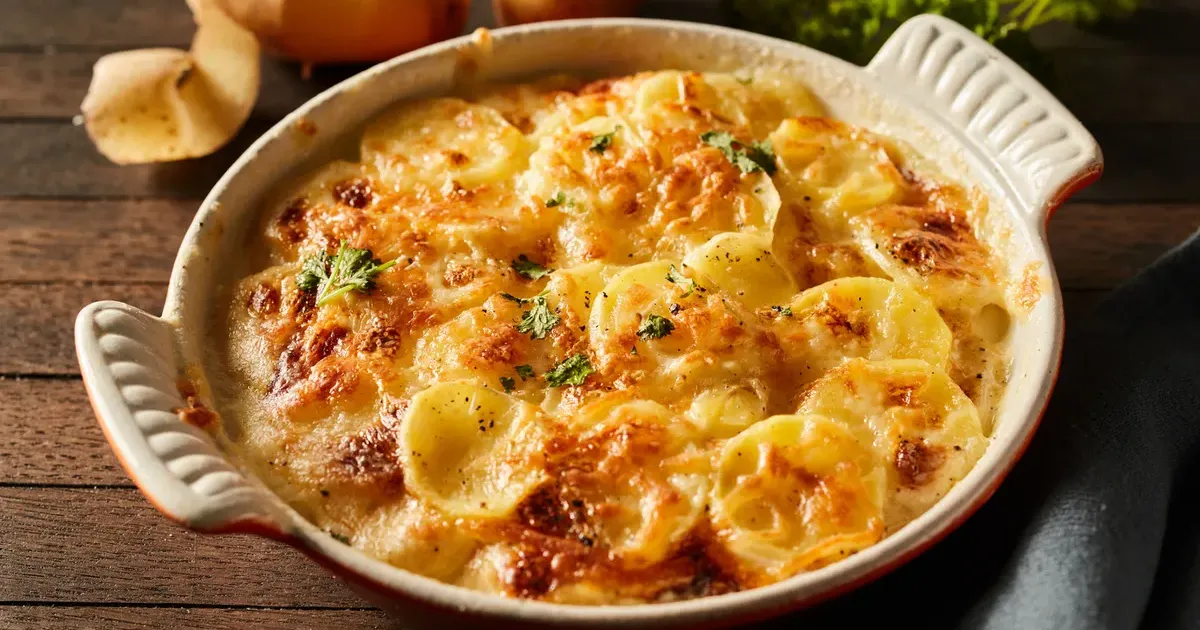
March 27, 2026, finds professional kitchens in New York and London pivoting away from the starch-heavy traditions of the classic potato gratin. Home cooks seeking lighter alternatives increasingly look toward fibrous vegetables to anchor their side dishes. Tasting Table reports that potatoes are no longer the exclusive vessel for the creamy, cheese-encrusted technique known as au gratin. This transition reflects a broader shift in Western dietary habits toward lower glycemic index ingredients. While the potato is still a staple of the global food supply, its dominance in the gratin category faces competition from versatile cruciferous options.
History suggests the gratin technique originated in the Dauphiné region of south-central France during the late 18th century. Local peasants combined thinly sliced potatoes with cream and garlic, baking them until a golden crust formed on the surface. Traditionalists argue that the starch from the potato is essential for thickening the cream during the long baking process. Modern culinary science challenges this notion by using the cellular structure of alternative vegetables to achieve similar textural results. Cauliflower has become the primary contender for this role.
But the move toward lighter vegetables is not merely a matter of caloric reduction. Cauliflower offers a neutral flavor profile that absorbs the complexities of Gruyère, Comté, or sharp cheddar more effectively than the earthy potato. Culinary schools now teach students how to manage the higher water content of these alternatives to prevent the final dish from becoming soggy. Success depends on precise thermal control and moisture management.
Historical Evolution of the Gratin Dauphinois
Gratin stems from the French word gratter, meaning to scrap or grate, referring to the crusty bits that stick to the bottom of the pan. Professional chefs like Auguste Escoffier codified these techniques in the early 20th century, cementing the potato as the standard base. For decades, the inclusion of any other vegetable was considered a departure from classical standards. European culinary heritage treated the potato as an essential source of energy during cold winter months.
Yet the rigid definitions of French gastronomy began to soften as global trade expanded the availability of fresh produce year-round. Chefs in the 1970s started experimenting with zucchini and leeks in gratin preparations. These early variations paved the way for the current obsession with cauliflower. Consumers today focus on nutrient density over pure caloric intake. This change has fundamentally altered how restaurants design their seasonal menus.
As it happens, the rise of the low-carbohydrate lifestyle in the early 2020s accelerated the adoption of cruciferous substitutes.
Potatoes aren't the only veggies used to make an au gratin dish, there are lighter options that still make for a delicious cheesy side, according to Tasting Table.This observation aligns with the increasing demand for keto-friendly alternatives in mainstream dining. The ability of cauliflower to mimic the mouthfeel of a soft potato makes it a natural successor.
Starch no longer dictates the menu.
Nutritional Profiles of Cauliflower vs Potatoes
One cup of cooked cauliflower contains approximately 30 calories, compared to more than 130 calories in a similar serving of potatoes. This discrepancy is a primary driver for the vegetable swap in domestic kitchens. Beyond the caloric count, cauliflower provides a higher concentration of vitamin C and vitamin K per gram. Fiber content also matters in the digestion and satiety levels of the diner. Potatoes offer potassium and vitamin B6, but they also trigger a sharper insulin response.
So, the health benefits of Brassica oleracea, the species including cauliflower and broccoli, extend beyond weight management. Sulforaphane, a compound found in cruciferous vegetables, has been the subject of numerous studies regarding its potential anti-inflammatory properties. By contrast, the high starch content in potatoes can be problematic for individuals managing blood sugar levels. Modern diners often select their vegetables based on these biochemical interactions. The kitchen has become an extension of the pharmacy for many health-conscious households.
Still, the culinary challenge remains the different texture of the two plants. Potatoes contain amylose and amylopectin, which create a creamy consistency when cooked with dairy. Cauliflower lacks these starches, meaning the sauce must be thickened using other methods like reduction or the addition of egg yolks. Chefs must compensate for the lack of natural binders in the vegetable itself.
Agricultural Impact of the Brassica Surge
Farmers in California and the United Kingdom have shifted acreage to meet the surging demand for cauliflower. Data from agricultural departments show a steady increase in cauliflower production over the last five years. Meanwhile, potato farmers face fluctuating prices as consumer preferences move toward specialized varieties or alternative tubers. The supply-chain for fresh cauliflower is more complex due to its shorter shelf life compared to the durable potato. Rapid transportation from farm to table is essential for maintaining the integrity of the florets.
In a different arena, the environmental footprint of these crops differs greatly. Potatoes require specific soil conditions and are often susceptible to blights that can wipe out entire harvests. Cauliflower is more resilient to certain pests but requires more consistent irrigation. Water scarcity in major growing regions like the Central Valley of California has forced growers to implement precision agriculture techniques. The technological integration ensures that cauliflower remains affordable for the average consumer.
And yet, the price of cauliflower often fluctuates more wildly than the potato. Unfavorable weather in growing regions can cause price spikes that impact both grocery stores and restaurant margins. Wholesale buyers must navigate these market volatilities to keep their gratin dishes profitable. The economic reality of the produce aisle often dictates the specials on the menu. Agricultural stability is the hidden backbone of every culinary trend.
Chemical Interactions of Vegetable Proteins and Dairy
Cooking a gratin is an exercise in protein chemistry. The casein in cheese and the proteins in cream must bond with the surface of the vegetable to create a cohesive dish. In a traditional potato gratin, the released starch helps emulsify the fat in the cream. When using cauliflower, the moisture released during baking can break the emulsion. It leads to a watery sauce that separates from the vegetable. To that end, many recipes now call for pre-roasting the cauliflower to remove excess water before adding the dairy.
For instance, the Maillard reaction occurs differently on cauliflower than it does on potatoes. The chemical process involves the reaction between amino acids and reducing sugars under heat, creating the brown, savory crust. Cauliflower has a higher sugar-to-starch ratio, which allows it to caramelize at slightly lower temperatures. It creates a sweet, nutty undertone that complements the saltiness of the cheese. Potatoes rely more on the browning of the dairy products on top to achieve flavor depth.
At the same time, the porosity of the vegetable determines how much flavor it absorbs. Cauliflower florets act like sponges, soaking up the garlic-infused cream in their complex crevices. It provides a more consistent flavor experience throughout the dish compared to the layers of a potato gratin. The structural complexity of the vegetable is its greatest asset in the oven. Science confirms what many home cooks have discovered through trial and error.
Complexity defines the crust.
The Elite Tribune Perspective
Why do we persist in the delusion that substituting a vegetable can somehow sanitize the decadence of a dish literally defined by its fat content? The current obsession with cauliflower au gratin is a classic example of culinary cognitive dissonance. We tell ourselves we are making a healthy choice by eschewing the potato, while simultaneously drenching the alternative in a liter of heavy cream and a mountain of aged cheese. It is not nutrition; it is a performance of virtue. We have turned the dinner plate into a theater of compromise where the lead actor is a bland crucifer pretending to be a tuber.
The potato is the soul of the gratin for a reason. Its starch is the structural integrity that holds the entire messy affair together. To remove it is to remove the heart of the dish, leaving behind a watery imitation that relies on chemical tricks to mimic the original texture. If the goal is truly health, one should eat a steamed vegetable. If the goal is pleasure, one should eat the potato. The middle ground serves only to satisfy a neurotic need to feel disciplined while indulging in the same caloric excess.
We are a culture that wants the indulgence of the 18th century with the guilt-free conscience of the 21st, and the cauliflower gratin is the lukewarm result of that impossible desire.