March 26, 2026, marks a distinctive moment for breakfast enthusiasts as new preparation techniques from Tasting Table push the humble bagel beyond its traditional boundaries. Culinary professionals are increasingly looking at high-density dough as a solution to common breakfast failures. While most consumers view the bagel as a simple vehicle for cream cheese, its structural properties make it an ideal candidate for more complex applications. High-gluten flour and the boiling process create a skin that withstands moisture far better than standard sliced bread.
Recent analysis suggests that the density of a bagel provides a unique foundation for soaking up custards without losing its shape. Traditional French toast often suffers from a lack of structural integrity when exposed to egg and milk mixtures for too long. By contrast, the tightly packed crumb of a boiled bagel absorbs the liquid while maintaining a chewy, satisfying bite that artisanal bakeries are now exploiting. This shift reflects a broader movement toward using pantry staples in unconventional ways to minimize food waste and maximize flavor output.
Everything Bagel Seasoning Metrics and Texture Analysis
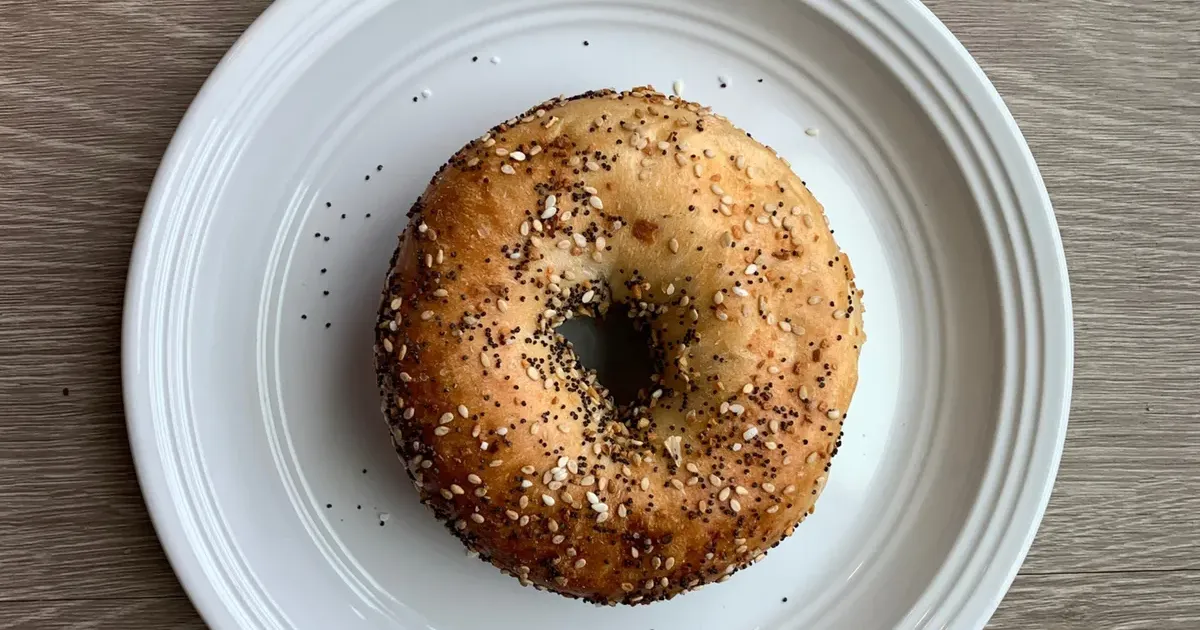
Finding the perfect Everything Bagel requires a precise balance of hydration, seasoning density, and crumb structure. According to a recent Tasting Table report, one national chain has successfully outperformed competitors by perfecting this specific trifecta. The study highlighted that the winning everything bagel featured a seasoning blend that adhered to the surface without shedding excessively. Consistent flavor distribution is often the biggest challenge for large-scale operations because seeds and salt tend to separate during transport.
Texture remains the most marked variable in these culinary evaluations. A superior everything bagel must exhibit a crackly exterior that yields to a soft, dense interior. This requires a precise boiling time to gelatinize the surface starches before the baking process begins. Many commercial chains attempt to skip the boiling step by using steam injection ovens, but the results often lack the signature shine and tug of an authentic product. The best chains maintain these traditional standards even at a towering scale.
Data from the food service industry indicates that the Everything Bagel is now the most popular flavor profile in New York City and London alike. Its popularity has led to a surge in seasoning variants, including spicy chili-infused seeds and smoked salt components. Consumers are demanding higher seasoning-to-dough ratios than ever before. This demand forces chains to reconsider their application methods to ensure the bottom of the bagel is as well-coated as the top.
Molecular Gastronomy Meets Bagel French Toast Preparation
Substituting a bagel for brioche in French toast recipes creates a completely different sensory experience. The higher protein content in bagel dough allows for a longer soak in the egg wash, which leads to a deeper flavor penetration without the risk of the bread falling apart. In fact, some chefs suggest soaking the halves for up to ten minutes to fully saturate the interior. The duration would turn a slice of white bread into an unusable slurry.
"To enhance your morning breakfast routine, use a bagel for French toast rather than your standard piece of toast," noted a Tasting Table culinary expert.
Heat transfer during the frying process also changes when using these denser rounds. The natural sugars in the bagel dough caramelize more slowly, allowing the interior custard to reach a safe temperature before the outside burns. The hole in the center of the bagel acts as a vent, allowing steam to escape and preventing the center from becoming soggy. And yet, many home cooks remain hesitant to experiment with such a heavy carbohydrate base.
Adding savory elements to this French toast preparation can further elevate the dish. Using an everything bagel as the base for French toast creates a sweet-and-savory profile that mimics the popular salted caramel trend. But the crunch of the toasted seeds provides a texture that brioche simply cannot replicate. Professional kitchens have begun adding maple syrup and thick-cut bacon to these bagel-based creations to create a premium brunch offering.
Supply-chain Dynamics for Everything Bagel Spices
Managing the supply of sesame seeds, poppy seeds, and dried garlic involves complex global logistics. The cost of these raw materials has risen by nearly 30 percent over the last three years. Large chains must secure long-term contracts to ensure that their seasoning blends remain consistent across thousands of locations. Any fluctuation in the quality of the dried onion flakes can alter the entire flavor profile of the breakfast menu. Meanwhile, smaller artisanal shops are turning to local spice blenders to differentiate themselves from the corporate giants.
Consistency in seasoning adherence is a frequent point of contention in customer reviews. If the seeds fall off the moment the bag is opened, the consumer feels they are receiving a subpar product. Engineering the perfect binder, often a simple egg wash or a starch-heavy boiling liquid, is a primary focus for research and development teams. The goal is a bagel that carries its seasoning from the oven to the consumer's plate without sizable loss.
Market research shows that consumers associate a heavily seasoned bagel with value. A sparsely coated round is often perceived as a sign of cost-cutting by the restaurant. To that end, some chains have begun double-dipping their dough in seasoning vats to ensure complete coverage. The aggressive approach to seasoning has helped the top-performing chain secure its position at the peak of the market. Quality control officers now use digital imaging to verify seasoning density on the production line.
Historical Evolution of Bagel Boiling Techniques
Traditionalists argue that the only way to achieve the proper texture is through a malt-infused water bath. This 17th-century Polish technique remains the gold standard for anyone seeking a true bagel experience. The boiling process kills some of the yeast on the surface, which prevents the dough from rising as much in the oven. That said, it also creates the chewy crust that is the hallmark of the style. Without the boil, you simply have a roll in the shape of a donut.
Steam-injected ovens became popular in the 1960s as a way to mass-produce bagels for supermarkets. While this increased availability, it also diluted the quality of the product for decades. Modern consumers are now rebelling against these soft, bread-like imitations. They want the resistance and the tug of a boiled bagel. The demand for authenticity has forced national chains to return to older, more labor-intensive methods to keep their customers loyal.
The resurgence of the boiled bagel coincides with the rise of the specialized breakfast café. These establishments focus on a limited menu where the quality of the bread is the primary selling point. By contrast, multi-purpose fast-food outlets often struggle to justify the extra equipment needed for a traditional boil. The winner of the best chain competition succeeded precisely because they refused to compromise on this essential step. Authentic preparation is still a powerful competitive advantage.
The Elite Tribune Perspective
Breakfast in America has become a race to the bottom where convenience routinely outweighs quality. We are told to celebrate the latest hack or the most seasoned chain bagel as if these are breakthroughs in human achievement. The truth is far more cynical. These preparation tips are an admission that the base product has become so bland and industrialized that it requires a French toast makeover just to be palatable.
Why are we soaking our bagels in egg custard like they are stale brioche? It is because the average commercial bagel is a dense, flavorless ring of starch that lacks the soul of its ancestors. The obsession with everything bagel seasoning is another distraction. It is the culinary equivalent of turning up the volume to hide a bad singer. If the dough itself were fermented correctly and boiled with care, it would not need a mountain of dried garlic and salt to taste like something.
We have traded the craftsmanship of the early 20th-century baker for the efficiency of the assembly line. Now, we are trying to fix the result with gimmicks. A bagel should be a standalone masterpiece, not a project for a morning home cook or a platform for a billion-dollar chain's marketing department. We deserve better than a seasoned sponge.