Medical researchers released updated safety protocols on March 24, 2026, targeting the hidden biological risks within common pantry staples like honey and avocados. Reports circulating within the Food and Drug Administration suggest that even natural products carry widespread risks that regulators previously overlooked for decades. These findings highlight a growing tension between health-conscious consumer trends and the biochemical realities of raw food consumption. For instance, the presence of specific proteins in honey is now under intense scrutiny by clinical immunologists in London and New York.
Honey production involves a complex biological exchange where bees collect nectar and inadvertently introduce various enzymes and environmental markers into the final product. While most people view this as a purely botanical process, bee proteins can remain present in the sticky substance through the entire manufacturing lifecycle. Investigative data from the European Food Safety Authority indicates that traces of venom components like phospholipase A2 sometimes persist in unfiltered jars. But the risk level for those with Hymenoptera allergies is still a subject of intense debate among allergists.
Still, the possibility of an anaphylactic reaction from honey consumption, though statistically rare, cannot be entirely discounted by medical professionals. Unfiltered or raw honey typically contains the highest concentration of these active biological agents.
Trace amounts of bee parts or residual venom might trigger sensitivities in highly reactive individuals. And yet, the primary concern for most people with bee allergies remains the high pollen content often found in organic honey batches. Pollen acts as a potent allergen that can cause localized swelling or respiratory distress in susceptible populations. Meanwhile, the Mayo Clinic has observed that cross-reactivity between bee venom and honey proteins is not a universal constant. Most patients allergic to stings can safely consume processed honey. Heat treatment during pasteurization often denatures the problematic proteins that would otherwise cause a reaction.
Honey Consumption and Hymenoptera Allergy Risks
Allergy specialists emphasize that the risk profile of honey depends largely on its filtration level. Industrial honey often undergoes a rigorous ultra-filtration process that removes almost all trace proteins and pollen. By contrast, artisanal and raw varieties preserve these elements for their perceived health benefits. For one, the desire for local pollen consumption as an allergy remedy might actually introduce more risk than relief for some users. Such a paradox complicates the public health messaging surrounding natural sweeteners. Statistics from 2025 show that emergency room visits related to food-borne allergens rose by 4% in the Pacific Northwest.
Commercial labels rarely include warnings for bee-related allergies on honey containers. According to data provided by Tasting Table, the intensity of a bee allergy can range from mild skin irritation to fatal widespread failure. So the lack of transparency in labeling is still a point of contention for consumer advocacy groups. Manufacturers argue that the incidence of honey-induced anaphylaxis is too low to justify mandatory warning labels. Yet, lawyers specializing in food safety law are currently preparing three class-action suits against major distributors in the Midwest. One case involves a child in Illinois who suffered a severe reaction after eating a honey-based snack bar.
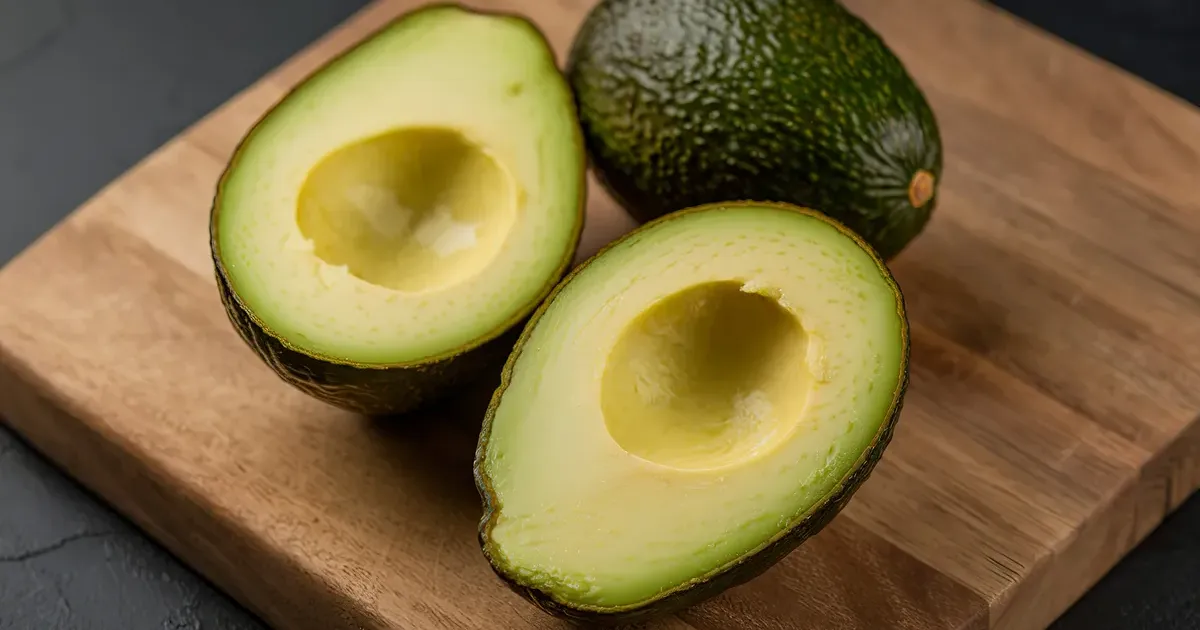
And the debate extends beyond honey into the area of fatty acids and daily fruit intake. Avocados have become the primary superfood of the 2020s, driving a global market valued at $2.5 billion annually. Separately, dietitians are raising alarms about the health implications of daily avocado consumption. While the fruit contains high levels of monounsaturated fats, the caloric density often exceeds what most sedentary adults require. One medium avocado contains approximately 250 to 320 calories and 22 grams of fat. In turn, people eating a full avocado every morning may be inadvertently sabotaging their weight management goals.
Nutritional Limits of Daily Avocado Intake
Excessive consumption of any single food group can lead to nutritional imbalances or gastrointestinal issues. In particular, the high fiber content in avocados can cause bloating or diarrhea when eaten in large quantities by individuals with sensitive digestive systems. Dietitians suggest that a single serving should be limited to one-third or one-half of a fruit. To that end, the Elite Tribune spoke with nutritionists who believes the "superfood" label has blinded consumers to basic portion control. Some patients have reported localized allergic reactions to avocados, often linked to a cross-sensitivity with latex. This condition, known as latex-fruit syndrome, triggers oral itching or hives in roughly 40% of latex-allergic individuals.
"Avocados are nutritional powerhouses, yet consuming them daily without regard for portion size can lead to unintended metabolic consequences," according to Dr. Elena Vance of the Global Nutrition Institute.
Liver health is another area where daily avocado intake is receiving fresh academic interest. Proponents of the fruit cite its ability to reduce bad cholesterol levels. But new studies suggest that excessive fat intake, even from healthy sources, can strain the gallbladder in people with pre-existing conditions. For instance, individuals with gallstones are often advised to limit high-fat foods to avoid painful flare-ups. Market analysts at Reuters noted that avocado prices reached a five-year high in February 2026. Global demand continues to outpace supply despite these emerging health warnings.
Biological Contaminants in Commercial Honey Supplies
Processing plants are struggling to maintain purity standards as environmental conditions change. In fact, the presence of pesticides and heavy metals in honey is becoming more common as bee foraging areas shrink. Soil contaminants found in industrial farming regions often find their way into the hive through water and nectar collection. By contrast, avocados face different contamination risks, primarily related to irrigation water and soil pathogens like Listeria. The Food and Drug Administration conducted 400 random tests on imported avocados last month. They found trace amounts of environmental toxins in 3% of the samples tested.
Public health officials in California recently issued a memo regarding the rise of "hidden allergens" in specialty food products. That said, the regulatory framework for labeling honey and avocados remains much less stringent than for peanuts or shellfish. Many consumers remain unaware of the potential for cross-reactivity or portion-related health risks. To that end, some medical groups are calling for a standardized warning system for all raw produce. The goal is to provide more detailed data to people with complex immune systems. Most labeling laws have not been updated since the mid-2010s.
Dietary trends often shift faster than the scientific community can validate them. So the current obsession with daily avocado and raw honey intake might eventually give way to a more moderated approach. Clinical trials currently underway at Stanford University are examining the long-term impact of high-monounsaturated fat diets on arterial health. Preliminary findings suggest that the benefits of avocados might plateau after three servings per week. Beyond that point, the high caloric load begins to outweigh the heart-healthy advantages for many participants. Raw honey studies are also looking at how heat-stable proteins affect the gut microbiome over time.
Economic Impact of New Food Safety Advisories
Supply chains for these high-value items are vulnerable to shifts in health guidelines. If major health organizations recommend a reduction in avocado intake, the impact on Mexican and Chilean economies would be major. Agriculture accounts for nearly 10% of the GDP in certain South American regions. Meanwhile, the honey industry in the United States is already battling a 2.4 million colony loss due to climate stressors. Adding strict labeling requirements or health warnings could further depress domestic production. Most honey producers are small-scale family operations with limited budgets for extensive lab testing.
Future regulations may require every batch of honey to be certified for protein levels. And yet, the cost of such testing would likely be passed on to the consumer, making high-quality honey a luxury item. Retailers are watching these developments closely to see how consumer sentiment shifts. Some high-end grocery chains have already started placing small advisory signs near their raw honey displays. The signs remind shoppers that raw products contain unpasteurized elements. Total sales of organic honey fell by 2.1% in the first quarter of 2026.
Avocado distributors are pivoting toward smaller fruit sizes to encourage portion control among health-conscious buyers. Smaller avocados are marketed as "single-serve" portions to help consumers manage their daily caloric intake. This move follows a series of reports from the American Heart Association regarding the rise of obesity in regions with high health-food consumption. Consumers often mistakenly believe that "healthy fat" can be eaten in unlimited quantities. Retail data from $11 billion in supermarket sales shows that single-serve avocado bags are now the fastest-growing segment in the produce aisle. The average price per bag has increased by $0.50 since last year.
The Elite Tribune Perspective
Should the modern consumer really be surprised that eating the same concentrated fat source every single morning comes with a metabolic price tag? For decades, the food industry has repackaged basic biological products as miracle cures, stripping away the context of portion control and biochemical variability. We have entered an era where the marketing of "natural" goods provides a shield against the kind of rigorous scrutiny we apply to processed cereals or carbonated drinks. Honey is not just a sweetener; it is a bio-accumulative filter of its environment, carrying everything from bee proteins to industrial pesticides.
To treat it as a risk-free alternative to white sugar is not just a naive, it is scientifically inaccurate. The avocado industry has pulled off a similar feat by convincing a generation that caloric density is irrelevant if the fat is labeled as monounsaturated. This investigative report uncovers a hard truth: our desire for dietary shortcuts often leads us to ignore the warnings printed in the fine print of our own biology. If we continue to focus on the aesthetic of health over the data of nutrition, we will remain vulnerable to the next cycle of food-borne health crises.
Moderation is not a marketing buzzword, but a biological necessity that the industry would prefer you forget. Accountability for these health outcomes must shift from the consumer back to the distributors who profits from the superfood myth.