Professional culinary consultants and home cooks gathered on March 23, 2026, to analyze how Panko and fried onions are transforming American kitchen staples. The discussion centered on a major move away from traditional flour-based batters toward high-impact, store-bought crunch agents that save time without sacrificing the sensory experience. Modern diners increasingly demand complex textures in their comfort food, prompting a re-evaluation of pantry basics that were once relegated to the back of the shelf. This technical shift reflects a broader consumer trend favoring efficiency in the domestic kitchen.
Food scientists at major retailers have noted a sharp rise in the sales of specialized coating ingredients. Recent data from the Bureau of Labor Statistics shows that the market for prepared culinary additives has reached $14 billion annually. This growth suggests that the boundary between professional technique and home convenience is blurring as more people seek restaurant-quality results at their own dinner tables. The focus is no longer on making everything from scratch but on selecting the right triggers for flavor and texture.
Still, the simplicity of these upgrades often masks the sophisticated chemistry at work. When a cook replaces a heavy wet batter with dry breadcrumbs or pre-fried vegetables, they are effectively managing moisture more effectively. Wet batters can often lead to soggy results if the oil temperature fluctuates even slightly. Dry coatings provide a consistent barrier that maintains its structural integrity even under heat. This specific chemical stability is why industrial-scale kitchens have long favored these ingredients over traditional methods.
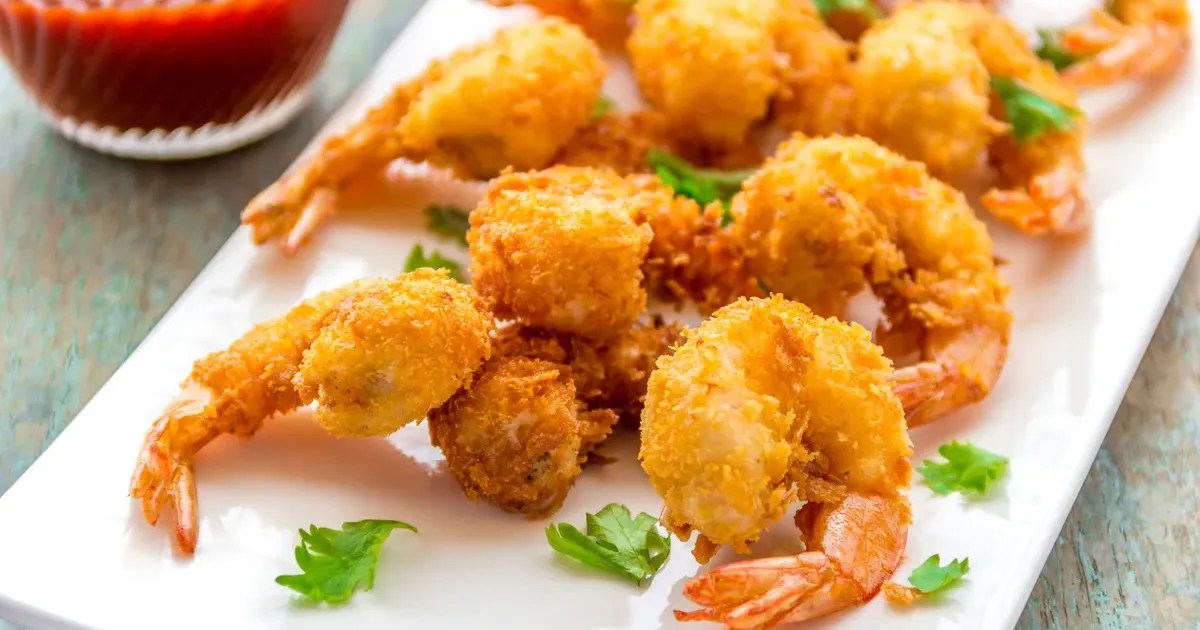
For instance, Panko breadcrumbs provide a jagged surface area that allows for more oil contact and better heat distribution. Unlike standard breadcrumbs which are pulverized into fine dust, these Japanese-style flakes are larger and airier. They do not absorb as much grease, which results in a lighter finished product that stays crispy for a longer duration. Experts at Tasting Table note that for fried shrimp, this ingredient eliminates the need for any traditional flour or batter entirely.
By contrast, traditional batters require a precise ratio of liquid to starch and an immediate transition to the fryer to prevent the coating from becoming gummy. The logistical difficulty of maintaining this precision in a home environment often leads to inconsistent results. Eliminating the liquid element removes the most common point of failure for amateur cooks. Many are now finding that a simple press-and-sear method with a dry coating yields a superior crunch with half the labor.
To that end, the culinary industry is witnessing a democratization of high-end textures. What was once the secret of specialized seafood houses is now a standard grocery list item. The shift is not merely about convenience but about the sensory satisfaction of the bite. Texture is often the primary differentiator between an average meal and a memorable one. Most consumers focus on that audible crunch above almost any other characteristic in fried foods.
Fried Shrimp Crunch Strategy Without Flour
Achieving a glass-like crunch on seafood traditionally required a multi-stage dredging process that messy kitchens often could not accommodate. Recent culinary investigations reveal that a direct application of store-bought crunch agents provides a more resilient exterior for delicate proteins like shrimp. The shrimp itself contains enough natural moisture to act as an adhesive for the larger flakes. The method preserves the integrity of the shellfish while creating a strong shell that withstands dipping sauces without softening.
Even so, the logistical hurdles of deep frying remain a deterrent for many households. The use of dry coatings has allowed for a transition toward air frying and shallow pan-fearing. These methods require less oil and produce less smoke, making the process more accessible for apartment dwellers. The result is a cleaner cooking environment and a final dish that feels considerably less heavy on the palate. One single-sentence observation defines this shift: simplicity has become the ultimate sophistication in the modern kitchen.
"A well-executed shortcut often outperforms a mediocre labor-intensive process because it removes the variables of human error that plague complex batters."
Culinary purists might argue that the art of the batter is being lost to the convenience of the bag. Yet, the results speak for themselves in blind taste tests where the store-bought crunch often outranks the hand-mixed alternative. The uniformity of the flakes ensures that every bite provides the same level of resistance and release. The predictability is a hallmark of professional-grade food production that is now available to anyone with a grocery store nearby.
Umami Boosters in Modern Mac and Cheese
French’s Fried Onions have migrated from the once-a-year green bean casserole to a year-round staple for elevating pasta dishes. Macaroni and cheese often suffers from a lack of textural contrast, presenting a monotone profile of soft pasta and liquid dairy. Adding a fried onion topping introduces both a necessary crunch and a deep layer of savory umami that cuts through the richness of the cheese. The addition changes the fundamental nature of the dish from a simple side to a complex main course.
In fact, the umami profile of fried onions comes from the Maillard reaction that occurs during their industrial processing. These onions are sliced, coated lightly, and fried until the natural sugars caramelize. When baked atop a cheese sauce, these flavors meld with the fats in the dairy to create a more rounded palate. Experts at The Takeout explain that the salt and savory notes in the topping balance the often overly creamy or bland nature of mass-produced pasta. The layer of complexity is difficult to achieve through spices alone.
Texture Engineering in Domestic Kitchens
Contrast drives the pleasure of eating and remains the primary goal of modern comfort food innovation. The human brain is wired to seek out varied textures as a sign of nutritional complexity and freshness. Soft foods like mac and cheese or tender shrimp require an opposing force to keep the palate engaged throughout the meal. Without this tension, the eater often experiences sensory boredom, leading to a less satisfying dining experience. Texture engineering is the deliberate application of these opposing forces.
Meanwhile, the economics of these ingredients make them an easy choice for the budget-conscious consumer. A single container of fried onions or a bag of specialized breadcrumbs can last through multiple meals. They provide a high return on investment for perceived value and flavor impact. By contrast, buying fresh herbs or specialty cheeses for the same flavor boost often results in higher costs and more waste. The pantry-stable nature of these crunch agents is their greatest market advantage.
Market Demand for High Impact Shortcuts
Consumer data indicates a 35% increase in premium pantry staples that offer what analysts call "instant elevation." People are willing to pay a slight premium for ingredients that take the guesswork out of dinner. Large food conglomerates like Kraft Heinz have noticed this and are increasingly bundling crunch toppings with their boxed products. The trend suggests that the "semi-homemade" approach to cooking has moved from a niche lifestyle choice to a dominant market reality. The consumer wants the credit for a gourmet meal without the exhaustion of a three-hour prep time.
Yet, the impact goes beyond mere laziness or time-saving. These ingredients allow for a level of experimentation that was previously too intimidating for many. A home cook is more likely to try a new recipe if they know the topping or coating is foolproof. The confidence leads to a more diverse diet and a more engaged relationship with food. The kitchen becomes a place of assembly and refinement rather than a site of potential failure. One could say the grocery aisle has become the new sous-chef.
The Elite Tribune Perspective
Is the death of the handmade batter a culinary tragedy or a long-overdue evolution of the American kitchen? Most people would like to believe they are the heirs to a grandmother’s secret recipe, but the reality is that most traditional techniques were born of necessity rather than a pursuit of the ultimate crunch. Today, our necessity is time, and our pursuit is a specific sensory hit that the old ways often fail to deliver. The cult of the "from scratch" purist is increasingly out of touch with a world where a parent has forty minutes to produce a meal that can compete with a delivery app.
Using pre-fried onions or processed breadcrumbs is not a sign of a failing culture but a sign of a savvy one. We are finally admitting that industrial processes can, in certain instances, outproduce the individual. There is no shame in acknowledging that a factory in Ohio can achieve a more consistent Maillard reaction than a person standing over a splattering pan of oil at 6:00 PM on a Tuesday. We should stop mourning the loss of the flour dredge and start celebrating that we have mastered the art of the shortcut.
If a store-bought can of onions makes a child eat their dinner and a tired worker enjoy their evening, then the tool has done its job perfectly. Excellence is found in the final bite, not in the struggle required to get there.