Delish culinary researchers confirmed on March 20, 2026, that home cooks are dismantling rigid holiday traditions to focus on seasonal versatility. Analysts tracking consumer behavior noted a sharp increase in searches for 35 spring appetizers and adaptable dinner formats. Seasonal demands are overriding traditional requirements for fixed menus as households look to integrate fresh produce with cultural heritage. Hosts in 2026 are increasingly rejecting the formal, static structures of previous generations. Flavor profiles now lean heavily toward citrus, fresh herbs, and lighter proteins. Most hosts now focus on ease of assembly over the elaborate, multi-day preparation common in the late twentieth century.
Separately, the focus on demographic-specific dining has expanded greatly. Families are no longer content with a single, uniform meal for all ages. Recent data indicates a surge in demand for kid-friendly options that do not compromise on ingredient quality. Modern parents are seeking to introduce sophisticated flavors to younger palettes through approachable formats. This shift indicates a broader movement toward culinary inclusivity within the home. Traditional dishes are being repurposed to ensure they appeal to both toddlers and grandparents alike. Matzo fried fish is one such example.
Passover Menus Evolve Beyond Traditional Seder Plates
Passover celebrations in 2026 are witnessing a substantial update to the standard repertoire of dishes. While the core symbolic elements remain, the surrounding menu has been revitalized with 31 Passover Recipes that emphasize modern textures and global influences. Culinary experts suggest that the integration of fried elements, such as matzo fried fish, provides a needed contrast to the heavier braised meats typically served. This approach allows hosts to honor religious dietary restrictions while maintaining a contemporary dining experience. Matzo is no longer seen as a limitation but as a versatile ingredient for crunch and structure. Freshness is the priority here.
Meanwhile, the inclusion of seasonal vegetables like asparagus and spring peas has become mandatory for a modern Seder. According to Delish, these ingredients provide the necessary acidity to balance the traditional bitterness of the Seder plate. Home cooks are experimenting with herb-forward pestos and lemon-infused oils to brighten the table. The result is a meal that feels lighter and more aligned with the blooming season. Many hosts have replaced heavy starch sides with vegetable-centric alternatives. This trend reflects a broader cultural pivot toward health-conscious holiday eating.
Spring has finally sprung!
In turn, the beverage pairings for these meals have also shifted. Heavy red wines are giving way to crisp whites and herbal-infused cocktails that mirror the spring theme. The goal for many hosts is to create a cohesive sensory experience from the first bite to the final drink. Some observers argue that this modernization preserves tradition by making it more relevant to younger generations. By adapting the menu, families keep the holiday alive in a changing cultural environment. Survival of tradition depends on this flexibility.
Kid-Friendly Innovation Redefines Easter Family Gatherings
Easter dining on March 20, 2026, has moved far beyond the simple chocolate egg and ham dinner. Current trends favor 35 recipes designed to engage children without alienating adult tastes. Creative applications of spring produce, such as carrot-shaped pastries or deviled egg variations, are dominating social media and home kitchens. These dishes encourage interaction and participation from younger family members. The objective is to transform the meal into an activity rather than just a seated event. Kids are now active participants in the kitchen. Blueberries are the key ingredient.
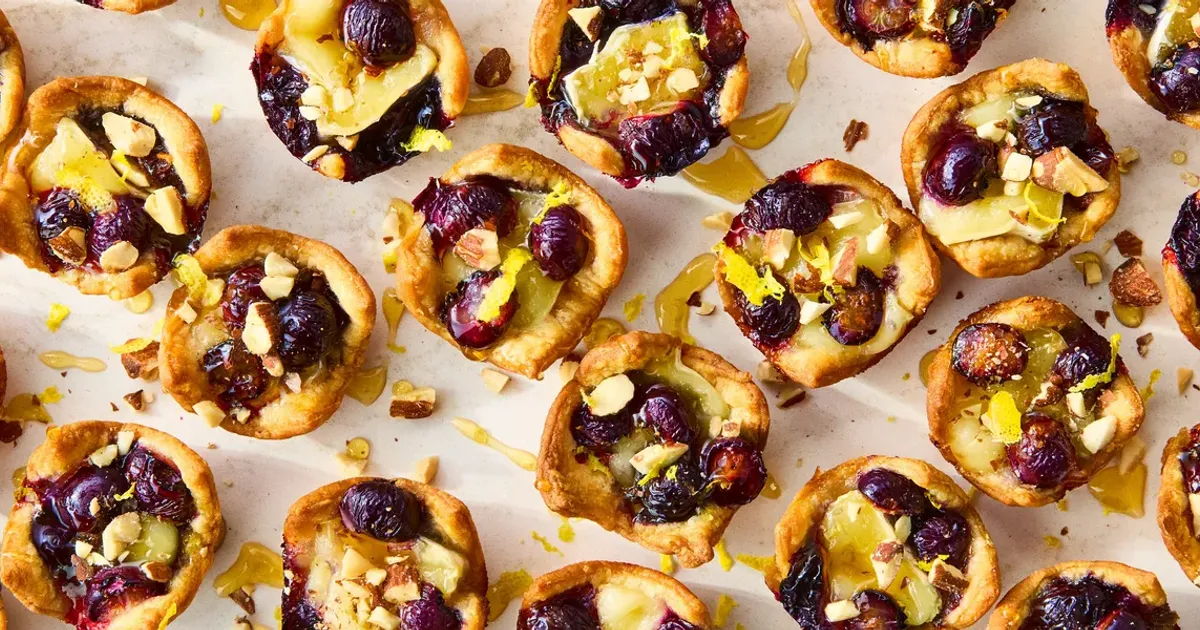
Still, the demand for nutritional balance remains high among parents who are wary of the sugar-heavy reputation of the holiday. Savory options that hide vegetables or utilize lean proteins are increasingly popular. For instance, lemon-blueberry brie bites offer a sophisticated flavor profile that remains accessible to children. These small, handheld options reduce the mess associated with formal dining. They also allow for a more casual, buffet-style approach to the holiday. Many families prefer this unstructured format for afternoon gatherings. Simplicity drives the modern kitchen.
Yet, the aesthetic component of the meal cannot be ignored. Visual appeal is a primary driver for engagement in kid-friendly spring cooking. Vibrant colors from natural sources like turmeric, beet juice, and chlorophyll are replacing artificial dyes. The shift toward clean-label ingredients reflects a wider societal concern for food purity. Parents are more likely to prepare recipes from scratch when the ingredients are recognizable and wholesome. The Easter table has become a gallery of seasonal color. Natural dyes are the new standard.
Seasonal Appetizers Drive Modern Spring Entertaining
Spring party planners are leaning into small-plate formats to celebrate the end of winter. The transition to warmer weather encourages lighter, more frequent social interactions. Data from Delish shows that bite-sized appetizers are the preferred choice for those hosting Easter or Passover cocktail hours. These dishes serve as the primary vehicle for showcasing early-season produce like ramps, radishes, and sprouts. Each bite is designed to be a concentrated burst of flavor. The minimizes the need for heavy silverware and formal seating arrangements. Casual elegance is the goal.
For one, the lemon blueberry brie bites have emerged as a centerpiece for spring social calendars. The combination of tart fruit, creamy cheese, and a crisp pastry base satisfies multiple taste categories simultaneously. Hosts appreciate the scalability of these recipes, which can be prepared in large batches with minimal effort. The efficiency is critical for the modern entertainer who balances professional and social obligations. The time saved in the kitchen is redirected toward guest interaction. People value presence over elaborate plating. Brief bites enable better conversation.
By contrast, savory appetizers are also seeing a resurgence in popularity. Smoked salmon on cucumber rounds and herbed goat cheese crostini provide a sophisticated alternative to sweeter options. These recipes capitalize on the abundance of fresh herbs available in late March. Mint, dill, and chive are no longer mere garnishes but central components of the dish. According to recent surveys, guests prefer these lighter options over the fried, breaded appetizers of the past. The palate is shifting toward clarity of flavor. Every ingredient must earn its place on the plate.
Even so, the logistics of hosting a spring gathering remain a challenge for many. Successful hosts are those who master the art of the make-ahead menu. To that end, recipes that can be assembled in advance and finished just before serving are in high demand. It allows the host to remain part of the party rather than being confined to the stove. The move toward pre-assembled appetizers is a practical response to the desire for effortless entertaining. Efficiency is the ultimate luxury. Planning is the secret to success.
The Elite Tribune Perspective
Sycophantic devotion to dusty cookbooks serves no one in a globalized pantry. The modern insistence on dragging nineteenth-century recipes into the twenty-first century is not an act of preservation but an act of culinary stagnation. For too long, the American holiday table has been held hostage by a sense of obligation to heavy, uninspired dishes that bear little relation to the actual season. Why are we eating winter-style roasts when the ground is finally giving us asparagus and ramps? The shift toward seasonal appetizers and updated holiday menus is a long-overdue correction of our collective gastronomic priorities.
We should be applauding the death of the mandatory glazed ham and the rise of the lemon-blueberry brie bite. If a tradition cannot survive a little matzo fried fish or a kid-friendly vegetable tart, it probably was not worth keeping in the first place. The reality is that the most vibrant cultures are those that treat their recipes as living documents rather than static scripts. We are finally seeing a generation of home cooks who have the courage to tell their ancestors that the old ways were occasionally bland. The transition is a victory for flavor over nostalgia.