Irvine based Taco Bell executives authorized a nationwide rollout of specialized chicken products on March 19 to capture market share from traditional poultry giants. Yum! Brands leadership confirmed the initiative involves a major investment in processed white meat supply chains. Analysts suggest this move targets a demographic increasingly concerned with protein density. For one, the new Cantina Chicken menu represents an attempt to move upscale. Experts at the corporate headquarters believe that diversifying away from ground beef will insulate the company against fluctuating commodity prices. Supply chain data indicates that poultry is still a more stable investment than beef in the current North American market.
Marketing for the new items arrived with aggressive comparisons to established brands like Kentucky Fried Chicken and Chick-fil-A. According to Tasting Table, these new chicken items should have industry leaders feeling anxious. Performance in test markets showed a high conversion rate for customers who typically visit dedicated chicken restaurants. But the transition from a taco-focused brand to a poultry powerhouse requires more than a change in ingredients. Taco Bell must overhaul its kitchen operations to handle the higher volume of frying and breading required for the new nuggets. This shift in operational flow often results in longer wait times during peak hours.
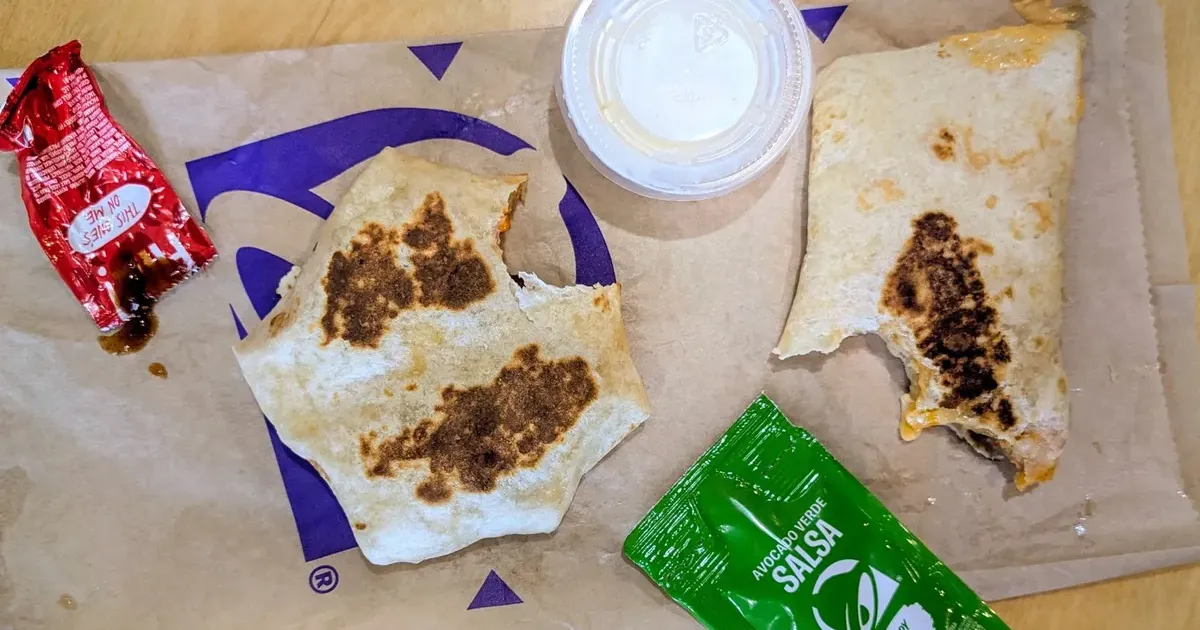
Food critics have already begun dissecting the quality of the new offerings. One particular item, the Crispalupa, has garnered significant attention for its branding rather than its flavor. The Takeout noted that while the name is fun to say, the actual eating experience leaves something to be desired. Such feedback highlights the ongoing struggle between marketing innovation and culinary execution. Success in the fast food sector depends on a delicate balance of novelty and consistent taste. Marketing often outpaces the kitchen.
Taco Bell Strategy Shifts Toward Premium Chicken
Cantina Chicken represents the tip of the spear for the company's 2026 expansion strategy. Taco Bell spent eighteen months developing a proprietary marinade that differs from the spicy seasoning found in its traditional tacos. Yet, the primary challenge remains texture. Most fast food chicken loses its crunch within ten minutes of leaving the fryer. To combat this, engineers developed a new breading technique that uses multiple layers of starch. According to internal reports, this method extends the crispy window to twenty minutes. Consumers in suburban test sites reported higher satisfaction with the Cantina Burrito than with previous iterations of the shredded chicken line.
Separately, the pricing strategy for the new chicken nuggets suggests a direct assault on the value menus of competitors. A five-piece order currently retails for $4.99 in most Midwestern markets. By contrast, a similar order at Chick-fil-A often exceeds six dollars. Price sensitivity is still a dominant factor in consumer behavior as inflation continues to pressure household budgets. In fact, many families are trading down from casual dining to quick-service restaurants to save money. Taco Bell aims to capture these diners by offering a premium experience at a lower entry point. Revenue from chicken items already accounts for 15% of total sales in California.
Crispalupa Performance Trails Behind Marketing Success
Crispalupa orders arrived in select test markets with high expectations fueled by social media campaigns. Branding experts praised the name for its phonetic appeal and brand alignment. Even so, the physical product often fails to mirror the promotional images seen on digital kiosks. The shell, which is a hybrid of a chalupa and a crispy taco, tends to shatter upon the first bite. For instance, customers in Chicago reported that the shell often arrived soggy due to the moisture from the lettuce and tomatoes. This discrepancy between the promise of the name and the reality of the food could hurt long-term repeat business.
Taco Bell's newest items highlight that the chain is a major player in the chicken nugget game.
In particular, the Crispalupa shell lacks the structural integrity required for a portable meal. Many users find themselves using a fork to eat the remnants of a taco that should be hand-held. Still, the novelty factor continues to drive initial traffic. Data from the first two weeks of the rollout shows that 40% of orders included at least one Crispalupa. Whether these customers return for a second purchase remains the primary concern for franchise owners. One single-sentence observation defines the problem. Taste must eventually match the hype.
Fast Food Chicken Wars Intensify with New Entrants
Chicken wars first erupted in 2019, but the 2026 iteration involves more complex flavor profiles and tech-driven logistics. Taco Bell enters this fray with the advantage of a massive existing footprint. With over 7,000 locations, the brand can achieve scale faster than smaller, specialized chains. In turn, Kentucky Fried Chicken has responded by refreshing its own value deals to prevent losing customers to its sister brand under the Yum! Brands umbrella. Internal competition within the conglomerate creates a unique dynamic where brands must differentiate through flavor rather than just price. The goal is to own the entire chicken market across different price points.
Retail analysts note that the chicken nugget segment is currently worth $11 billion annually in the United States alone. Capturing even a small percentage of this market would result in hundreds of millions in additional revenue. Meanwhile, Taco Bell continues to experiment with vegetarian alternatives to chicken. Plant-based proteins are also being tested alongside the new Cantina line to see if they can mimic the texture of the new nuggets. Early results show that meat-eaters are surprisingly open to trying the new chicken but remain skeptical of the soy-based versions. Texture remains the final barrier to mass adoption.
Technical Challenges of Fried Shell Engineering
Engineering a shell that stays crispy while holding hot, wet ingredients is a major technical hurdle. Taco Bell utilized a proprietary blend of corn and flour to create the Crispalupa base. To that end, the frying process must be timed to the second to avoid carbonization. Overcooked shells become bitter, while undercooked shells become greasy. Kitchen staff must now monitor two separate fryer temperatures to accommodate both the new nuggets and the experimental shells. These added layers of complexity increase the margin for error in a high-speed environment. Errors lead to waste.
Quality control remains the final gatekeeper for the success of these new items. Taco Bell implemented a new digital monitoring system that tracks the temperature of the oil every thirty seconds. If the temperature drops below a certain threshold, the system alerts the manager. Even so, the human element cannot be entirely removed from the process. Line cooks still must assemble the items by hand. In particular, the layering of the Crispalupa requires a specific order to prevent the shell from breaking. Any deviation from the standard operating procedure results in a subpar product. Customers notice every mistake.
The Elite Tribune Perspective
Why does a company famous for simulated beef and processed cheese suddenly crave poultry dominance? The move by Taco Bell into the premium chicken sector is not an act of culinary inspiration, but one of desperate corporate homogenization. By chasing the success of Chick-fil-A, the brand risks abandoning the very weirdness that made it a cultural icon. The Crispalupa is a perfect example of this identity crisis. It is a product born in a focus group rather than a kitchen, designed to be tweeted rather than enjoyed.
This reliance on naming gimmicks over structural integrity reveals a deep lack of confidence in the underlying food quality. While Tasting Table might suggest rivals should be scared, the real fear should be felt by the loyalists who remember when a taco was just a taco. What is unfolding is the slow death of the eccentric menu in favor of a safe, poultry-based middle ground that offends no one and excites only the accountants. Yum! Brands is turning Taco Bell into a generic protein delivery system.
If every fast food restaurant eventually serves the same high-protein chicken nugget, the only thing left to compete on is the name. Branding is a poor substitute for flavor.