Rocco DiSpirito opened Bar Rocco in New York City on March 18 to establish a permanent home for his latest culinary experiments. DiSpirito is still a central figure in the American dining consciousness despite years of fluctuating visibility. Bar Rocco is a return to form for the chef who once defined the early 2000s New York restaurant scene. Menus at this new location prioritize Italian home-style cooking over the intricate fusion that marked his early career.
Separately, Brian Smith and Jackie Cuscuna introduced Ramblin’ Chick to the competitive dining field of Brooklyn. Smith and Cuscuna previously gained national fame as the creators of Ample Hills Creamery. Their new venture pivots from ice cream to chicken smash burgers. Carroll Gardens is the backdrop for this second act in their professional lives.
Bar Rocco Italian Dining Analysis
DiSpirito first rose to national prominence with Union Pacific before starring in the NBC reality series The Restaurant. His career subsequently moved through various phases, including a focus on healthy living and weight loss books. Bar Rocco suggests a move away from the televised spectacle toward the intimacy of the kitchen. Italian flavors dominate the small plate offerings and traditional pasta dishes.
In fact, the interior design of the space aims to evoke the feeling of an Italian home rather than a high-concept gallery. White tablecloths are absent, replaced by communal seating and warm lighting. Ingredients are sourced from local markets to ensure seasonal relevance. Critics often pointed to DiSpirito’s early talent for balance, a trait he now applies to rustic fare.
Still, the stakes for this opening are high given the saturation of Italian eateries in Manhattan. Competition from established mid-range trattorias forces Bar Rocco to rely heavily on DiSpirito’s personal brand. Early diners have noted the prominence of heritage recipes that avoid modern culinary gimmicks. Meatballs and house-made focaccia have become immediate focal points of the menu.
Brooklyn Chicken Burger Market Shifts
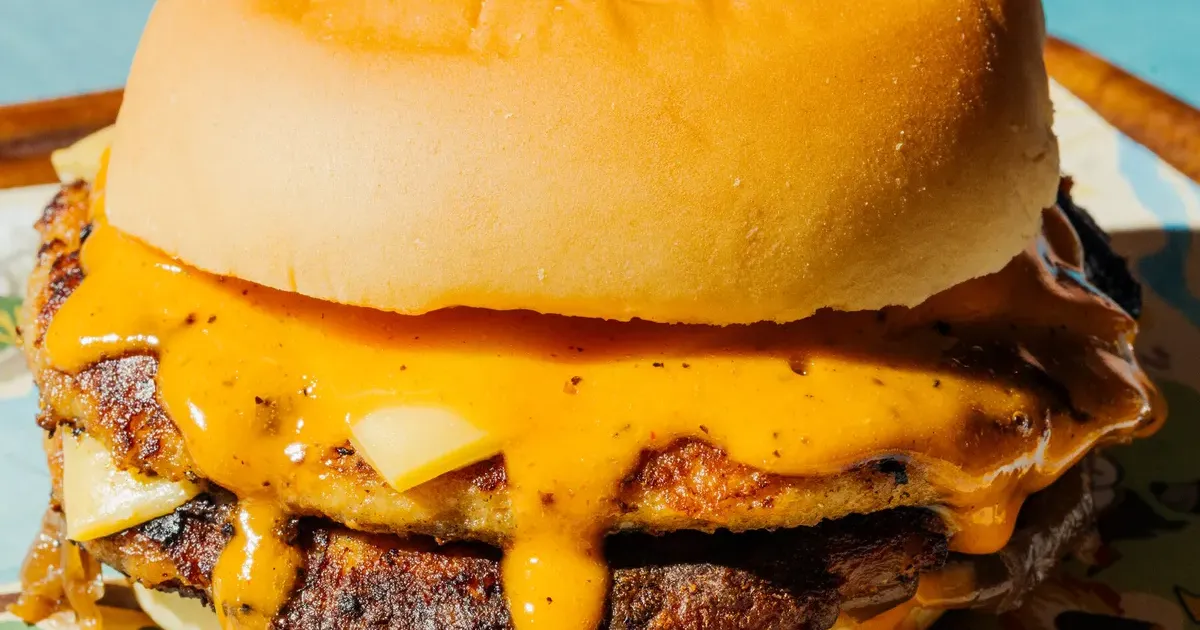
Brooklyn residents recently welcomed Ramblin’ Chick as a casual entry into the borough’s dense comfort food market. Smith and Cuscuna chose a location in the heart of a neighborhood known for its discerning palate and family-friendly atmosphere. Chicken smash burgers serve as the primary draw, utilizing a technique that maximizes crust and flavor. Mac and cheese and soft-serve ice cream round out the offerings to create a cohesive nostalgic experience.
According to reports from the opening week, the founders are leaning into their strengths as narrative-driven entrepreneurs. They previously built Ample Hills into a multi-million dollar business before a bankruptcy filing led to the loss of their original brand. Ramblin’ Chick is a leaner, more focused business model. Operations remain concentrated on a single storefront to ensure quality control.
Ramblin’ Chick, their new spot, is slinging comfort food like mac and cheese, soft-serve and chicken nuggets in Carroll Gardens, Brooklyn.
Yet, the shift from sweets to savory proteins introduces new operational complexities. Chicken supply chains require different safety protocols than dairy-based ice cream production. Success in this sector depends on high volume and rapid turnover. The menu pricing reflects a commitment to accessibility for local residents.
Threes Brewing Strategic Partnerships
Threes Brewing in Greenpoint finalized a collaboration with Grand Army to overhaul its culinary offerings. This partnership reflects a growing trend of established beverage brands seeking specialized food partners to increase foot traffic. Threes Brewing has long been a staple of the craft beer community in New York. Grand Army brings a reputation for sophisticated bar food and cocktail programs.
And the timing of this move coincides with a broader push for diversified revenue streams within the brewery industry. Foot traffic in Greenpoint has remained steady, but consumer expectations for taproom food have risen. Collaborative menus allow breweries to focus on production while professional kitchens handle the service. Seasonal rotations will define the partnership’s output over the coming months.
Even so, the logistical challenges of a dual-brand kitchen can be significant. Staffing and brand identity must remain aligned to avoid confusing the loyal customer base. Grand Army’s influence is expected to elevate the standard burger-and-fries model typically found in breweries. Oysters and more complex small plates are likely additions to the Greenpoint taproom.
Honey Badger Culinary Menu Expansion
Honey Badger, a restaurant known for its avant-garde approach to wild-sourced ingredients, recently deployed a more ambitious menu. The kitchen specializes in what the owners describe as wild-to-table dining. This philosophy involves foraging and hunting for ingredients that rarely appear on conventional menus. Venison, wild greens, and uncommon mushrooms are central to their nightly tasting menus.
By contrast, the new menu iteration pushes these boundaries even further by incorporating rare preservation techniques. Fermentation and curing play a major role in the preparation of their winter stores. Customers at Honey Badger are typically looking for an educational experience as much as a meal. The restaurant remains one of the few places in the city pursuing such a specific, rugged aesthetic.
For one, the expense of sourcing such ingredients keeps the price point high. Small-scale foraging does not benefit from the economies of scale found in traditional restaurant supply chains. This makes Honey Badger a destination for specialized diners rather than a casual neighborhood haunt. Each dish tells a story of the North American wilderness through flavor and presentation.
The Elite Tribune Perspective
Resurrection is a favorite trope of the New York dining press, yet the return of Rocco DiSpirito and the Ample Hills founders feels less like a comeback and more like a retreat. Why must the city’s culinary field be a cycle of the same names seeking redemption for past failures? DiSpirito’s pivot to home-style Italian is a safe harbor for a chef who spent years wandering the desert of health-food branding and reality television. It is the path of least resistance in a city that will always buy pasta if the name on the door is recognizable.
Similarly, the move into chicken burgers by Smith and Cuscuna suggests a lack of imaginative risk. They are following the safest possible trend in a saturated Brooklyn market. These are defensive plays designed to mitigate the sting of previous bankruptcies and professional stalls. While the food at Bar Rocco and Ramblin’ Chick may be technically proficient, it lacks the disruptive energy that first made these figures famous. New York deserves fresh voices and new ideas rather than a revolving door of legacy acts trying to recapture lightning in a bottle.
We are watching the institutionalization of mediocrity under the guise of comfort and tradition. Genuine innovation is being traded for brand security.