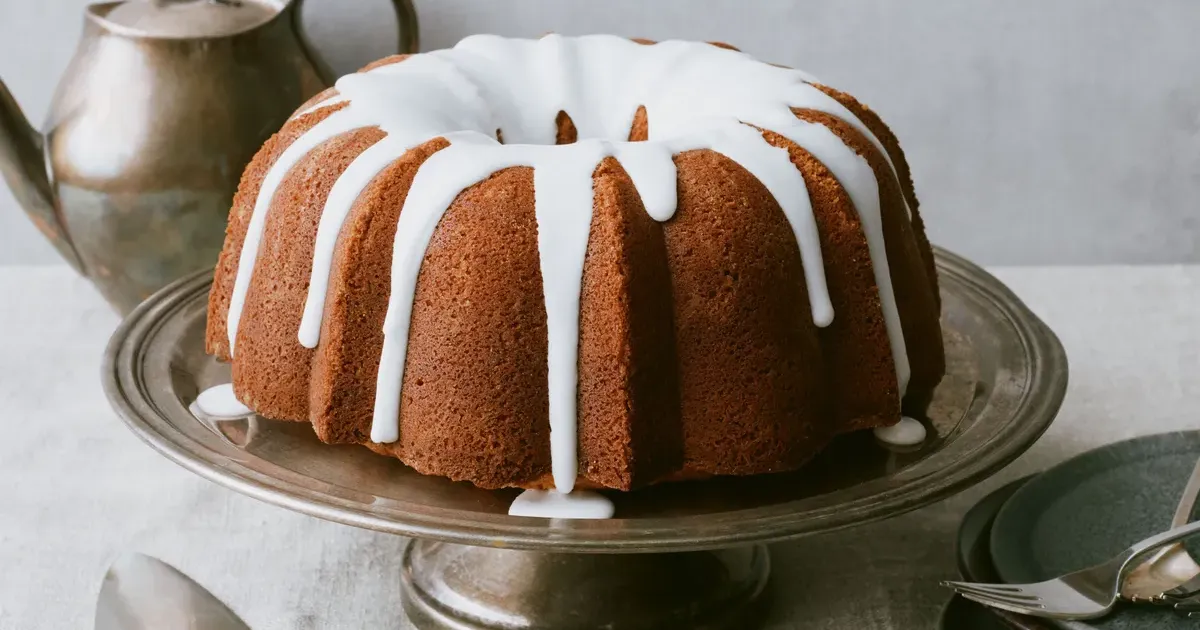
March 16, 2026, marks the height of a viral resurgence that has gripped the domestic baking community in ways unseen since the sourdough obsession of the early decade. 7UP has transitioned from a beverage staple into a critical leavening component for millions of amateur pastry chefs across the United States and the United Kingdom. Bon Appetit and Epicurious recently published identical reports detailing how a single glug of lemon-lime soda provides a citrusy zip and a tender crumb. Both publications highlighted the efficiency of this method, suggesting that the chemical composition of the soda serves as not only a flavor enhancer. Sugar and carbonation work in tandem to transform a standard pound cake into something far more ethereal.
Home cooks are flooding social media platforms with images of golden, ring-shaped desserts that prioritize ease of preparation over artisanal complexity. 7UP became the centerpiece of this movement due to its specific pH balance and the way its bubbles interact with heavy cake batter. Traditional pound cakes often struggle with density, but the addition of soda introduces a lightness that baking powder alone cannot always achieve. Bakers have noted that the lemon and lime oils within the beverage offer a subtle top note that complements the richness of the butter and eggs. This recipe does not require complex fermentation or rare ingredients.
Carbonation Science Drives 7UP Cake Texture
Baking physics dictates that air is the primary enemy of a heavy crumb, and the carbon dioxide trapped in a can of 7UP provides a built-in aeration system. When the soda is folded into a thick batter, these tiny bubbles expand under the heat of a 350 degrees oven. Carbon dioxide creates a network of microscopic pockets that prevents the flour from settling into a leaden mass. Chemistry enthusiasts point out that the citric acid in the soda also reacts with the eggs and dairy to tenderize the gluten strands. This chemical interaction ensures the final product remains moist for days after it leaves the cooling rack.
Still, the simplicity of the ingredient list hides a sophisticated structural outcome. High-fructose corn syrup or cane sugar, depending on the region of purchase, provides an additional layer of moisture-retaining properties. For one, the sugar in the soda does not crystalize in the same manner as granulated white sugar, leading to a smoother mouthfeel. In turn, the acidity helps to balance the cloying sweetness often found in glazed pound cakes. It is a primitive form of molecular gastronomy that requires zero specialized equipment.
The carbonation acts as a secondary leavening agent, providing a lift that traditional baking powder sometimes misses in dense pound cakes.
In fact, the use of soda in baking is a mid-century tradition that has found new life in a high-speed digital economy. 700,000 social media posts currently feature various iterations of the dessert, ranging from Bundt pans to sheet cakes. Most of these creators cite the accessibility of the soda as the primary reason for its popularity. By contrast, modern artisanal baking often requires specialized flour or expensive flavoring extracts that many households find prohibitive. 7UP offers a predictable result for a fraction of the cost.
Bon Appetit and Epicurious Lead Digital Resurgence
Editorial teams at Condé Nast appear to be banking on this efficiency by syndicating identical content across their most prominent food brands. Both Bon Appetit and Epicurious use the exact same phrasing to describe the cake, a move that suggests a strategic consolidation of culinary authority. They describe the lemon-lime glug as a sweeping element for the classic pound cake. Even so, the lack of variation in their reporting has led some industry observers to question the homogenization of digital food media. Professional bakers have long known about these shortcuts, but the mainstream re-adoption marks a shift in consumer priorities.
Separately, the analytics from these publications show a massive spike in search traffic for "vintage soda cakes." Consumers are looking for comfort food that requires minimal mental bandwidth. This phenomenon suggests a fatigue with the high-maintenance recipes that dominated the previous few years. A single can of soda is a low-stakes investment for a high-yield aesthetic reward. To that end, the 7UP cake has become the ultimate low-effort, high-status bake for the current moment.
At its core, the recipe relies on a specific ratio of fat to liquid that is easily maintained by the pre-measured volume of a standard soda can. For instance, the recipe frequently calls for exactly 12 ounces of the beverage, which matches the standard aluminum can size in the United States. Bakers in the UK have adapted this to the 330ml standard, finding similar success with the slightly lower volume. The consistency of the results is the primary driver of the viral feedback loop. Success stories encourage more users to participate in the trend.
Economic Factors Fuel Soda Based Dessert Trends
Rising grocery prices have pushed many families back toward the pantry-stable ingredients of their grandparents' generation. 7UP remains an affordable luxury that can elevate a dozen basic pantry staples into a dinner party centerpiece. At the same time, the nostalgia factor of mid-century Americana has a powerful hold on younger demographics who never experienced the original soda-cake boom. They view the use of soda as a clever hack rather than a post-war necessity. It is a rebranding of thrift as a lifestyle choice.
So, the commercial impact on soda sales has been measurable in the baking aisles of major retailers. Supermarkets in urban centers report higher-than-usual turnover for lemon-lime sodas during the weekend baking rush. Many stores have begun cross-merchandising 7UP next to the cake flour and sugar displays. Yet, the trend shows no sign of cooling as the spring season approaches. Lemony glazes and bright citrus profiles are historically popular as temperatures begin to rise. The seasonal alignment is perfect.
Baking enthusiasts have even started experimenting with diet versions of the soda, though the results are especially different. Without the sugar content of the original 7UP, the cake loses some of its signature caramelization and moisture. Experts suggest sticking to the full-sugar version for the most authentic texture. The chemical structure of artificial sweeteners does not always hold up under the sustained heat of a long bake. Stick to the classic formula for the best results.
The Elite Tribune Perspective
Why have we abandoned the complexity of fermented cultures for the chemical shortcut of a soda can? The regression into 1950s convenience culture is a damning indictment of the modern attention span. We spent years perfecting the art of the sourdough starter and the laminated pastry, only to throw it all away for a bottle of carbonated corn syrup. The sudden ubiquity of the 7UP cake is a victory for corporate marketing disguised as a grassroots culinary revival.
It is the food equivalent of a fast-fashion garment, designed for the immediate gratification of a social media post rather than the lasting satisfaction of a craft well-honed. Condé Nast’s decision to run identical copy in both Bon Appetit and Epicurious proves that even the gatekeepers of taste have given up on original thought. They are now in the business of feeding an algorithm that demands simplicity over quality. We are being trained to value the "hack" more than the technique.
If the future of home baking is merely opening a can and pouring it into a bowl, we have lost something essential. The kitchen was once a laboratory for skill, but now it is just a staging ground for a glug of soda.