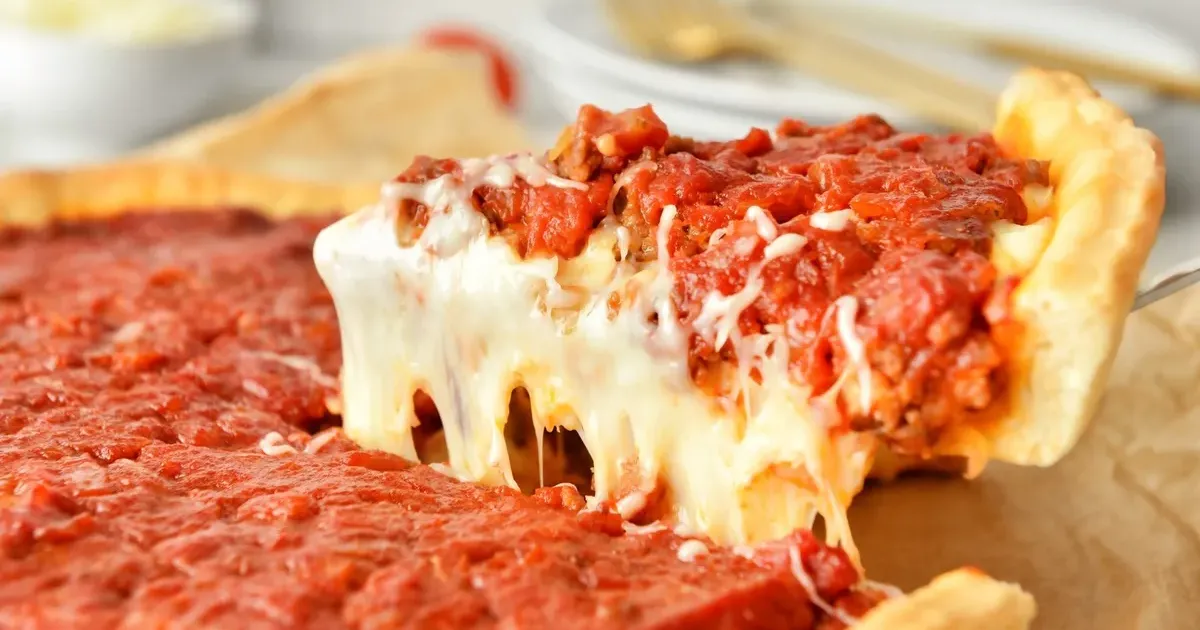
Chicago culinary traditions often rely on the architectural integrity of a deep dish pizza. Health inspectors and food scientists currently monitor how the structural demands of this iconic dish intersect with the chemical stability of modern dairy products. High fat content in cheese creates a specific set of mechanical failures during the long baking cycles required for deep crusts. These failures involve not merely a soggy bottom for the diner. They present significant challenges for the Cheese Industry in maintaining consistent safety standards across high volume commercial kitchens. In fact, the physical behavior of lipids and moisture in a confined dough environment can enable the uneven distribution of heat.
Dairy products with high butterfat levels tend to release excessive quantities of oil when subjected to the extended cooking times common in Chicago pizzerias. This oil creates a barrier between the sauce and the cheese, effectively insulating portions of the pie. Such insulation prevents the center of the pizza from reaching the temperatures necessary to neutralize common pathogens. According to recent kitchen studies, the thermal lag caused by fat separation can leave certain zones of the pizza at temperatures ideal for bacterial incubation.
Still, many traditionalists argue that full fat mozzarella is the only way to achieve the desired flavor profile. By contrast, food engineers warn that the visual appeal of a glistening, fatty pizza often masks a lack of internal pasteurization.
Quality control begins at the temperature of the milk vat.
Chicago Style Pizza Engineering and Fat Content
Building a deep dish pizza requires a specific ratio of solids to liquids to ensure the crust remains crisp while the interior cooks thoroughly. Full fat cheese contains a higher percentage of moisture and lipids than part-skim varieties. When these pizzas enter 450-degree ovens for 40 minutes, the fat in the cheese breaks down faster than the proteins. This process results in a pool of liquid grease that settles at the base of the crust. For one, this liquid prevents the dough from caramelizing properly.
Even so, the more pressing concern involves the moisture content that evaporates and then condenses within the thick walls of the pizza. This condensation creates a micro-environment where moisture levels exceed safe thresholds for shelf-stable foods.
Food safety protocols in the US and UK require that all components of a prepared meal reach a minimum internal temperature. In particular, the density of a deep dish pie makes it difficult for heat to penetrate the core when it is shielded by a thick layer of separating fats. Yet, many commercial operations prioritize the pull and stretch of full fat cheese over the safety benefits of leaner alternatives. Leaner cheeses maintain their structure longer and do not release the same volume of water during the baking process.
And the reduction in moisture runoff directly correlates with a more uniform heat distribution throughout the dish. Manufacturers of processed pizza cheese continue to experiment with stabilizers that might mitigate this fat separation.
Chemical Additives in Artificial Cheese Products
Artificial cheese flavorings have permeated the global food supply, appearing in everything from snack crackers to frozen entrees. These synthetic compounds are often used to replicate the sharp profile of aged cheddar or the creaminess of gouda without the cost of a natural aging process. Food and Drug Administration records indicate that many of these additives rely on chemical precursors that do not exist in natural dairy. For instance, diacetyl is frequently used to provide a buttery aroma, though its safety in concentrated forms has been a subject of intense regulatory debate. Synthetic additives masquerade as aged dairy.
The chemical deception allows companies to sell products that are sharply cheaper than real cheese, yet carry a higher risk of triggering sensitivities in consumers.
Price remains the primary driver for the adoption of artificially flavored cheese products in the fast-food sector. In fact, a pound of authentic aged cheddar can cost double the price of a flavored vegetable oil based substitute. But these cost savings come at a price to the consumer's long term health and the integrity of the food chain. Many of these artificial products contain emulsifiers like sodium phosphate, which some studies link to kidney issues when consumed in high quantities. Separately, the lack of live cultures in artificial cheese means that the beneficial probiotics found in traditional dairy are absent. To that end, the consumption of these products contributes to a diet high in sodium and low in nutritional value.
Industrial Cheese Manufacturing and Food Safety Protocols
Large scale cheese production is an $11 billion global enterprise that relies on rigorous sanitation to prevent contamination. The most significant threat to the supply chain involves Listeria monocytogenes, a hardy bacterium that can survive in the cool, damp environments of dairy processing plants. According to industry reports, soft and high-moisture cheeses are particularly vulnerable to outbreaks. When companies use low-quality ingredients or skip filtration steps to save on costs, the risk of a recall increases exponentially. By contrast, premium manufacturers invest heavily in automated testing and sterile packaging lines. In turn, these investments are passed on to the consumer in the form of higher retail prices.
The increasing reliance on chemical flavoring over traditional fermentation processes has created a gap in the nutritional profile of the average western diet.
Recent recalls in the dairy sector highlight the fragility of the international food distribution system. A single contaminated batch of raw milk can affect thousands of pounds of finished product across multiple states or regions. Even so, the shift toward highly processed, artificially flavored cheeses has introduced new variables into the safety equation. These products often have 70 percent higher sodium levels than their natural counterparts, which acts as a preservative but also masks the signs of spoilage.
For one, a consumer might not be able to smell or taste if an artificial cheese product has begun to harbor harmful bacteria. At its core, the food safety system depends on the sensory cues of the product, which are systematically removed by artificial flavoring.
Consumer Health Impacts of Dairy Fat Concentration
Heart health remains a primary concern for medical professionals evaluating the impact of the modern pizza-heavy diet. Saturated fats from dairy are a significant contributor to elevated LDL cholesterol levels in the US and UK populations. While the occasional deep dish pizza is a cultural staple, the frequent consumption of high-fat cheese presents a clear cardiovascular risk. In particular, the combination of refined carbohydrates in the crust and concentrated fats in the cheese creates a caloric density that few other foods can match. Scientists have observed that the body processes these fats differently when they have been subjected to high heat and chemical emulsification. The chemical change can lead to higher levels of systemic inflammation.
Public health advocates argue for clearer labeling on cheese products that contain artificial flavors or excessive fat levels. Still, the lobby for the dairy and fast food industries often resists such transparency. They argue that consumers prioritize taste and texture over a detailed breakdown of chemical additives. Meanwhile, the rise of plant-based cheese alternatives has added another layer of complexity to the market. These products often use coconut oil or cashew bases which, while avoiding dairy allergens, can still be high in saturated fats and artificial flavorings.
Each new product entry requires a fresh assessment of its long-term impact on the human microbiome. Retailers continue to stock these items because they have a shelf life that far exceeds that of natural, unprocessed cheese.
The Elite Tribune Perspective
Are modern consumers trading their long-term biological health for the cheap thrill of a hyper-palatable slice? The proliferation of low-quality, fat-heavy, and artificially flavored cheese is not an accident of the market; it is a calculated victory for industrial efficiency over human vitality. We see a food system that has mastered the art of the imitation, where the smell of butter is a laboratory creation and the texture of cheese is a triumph of phosphate emulsifiers.
The industrialization of the palate has convinced the public that a pool of grease on a Chicago pizza is a sign of quality rather than a failure of culinary engineering and a potential health hazard. We should be deeply skeptical of any food product that requires a chemical cocktail to taste like the ingredient it claims to be. The demand for cheap, fast, and addictive food has allowed manufacturers to cut corners on the very foundation of nutrition.
If the Cheese Industry cannot provide a product that is both safe and structurally sound without relying on synthetic crutches, then it is an industry in a state of moral and functional decay. Consumers must demand transparency or accept the consequences of a diet built on industrial waste masquerading as artisan tradition.