Health regulators in Washington and London are intensifying their scrutiny of the global spice rack. For decades, sodium chloride has remained the undisputed king of the kitchen, acting as both a preservative and a flavor enhancer. But a growing body of clinical research and culinary innovation suggests that acetic acid, the primary component of vinegar, can replicate the sensory satisfaction of salt without the cardiovascular risks. Professional kitchens are more and more adopting this method to manage the dietary requirements of an aging population.
Chef Julianne Moore squeezes a lemon over a seared scallop at her Manhattan restaurant, bypassing the salt cellar entirely. She notes that acidity provides a sensory 'lift' that mirrors the sharpness of salt. According to the American Heart Association, the average adult consumes more than double the recommended daily limit of sodium. Most of that intake comes from processed foods where salt is used to mask the bitterness of industrial preservation. Substituting salt with vinegar or citrus juice offers a chemical solution to this metabolic imbalance.
Acidity works by stimulating the salivary glands and sharpening the palate, making other flavors more distinct. When a cook adds vinegar to a soup, the acetic acid cuts through fats and proteins. This process, known as 'brightening' in professional kitchens, allows the natural sugars in vegetables and the umami in meats to reach the taste buds with greater clarity. The result is a profile that feels seasoned even if the sodium content is negligible.
Vinegar Chemistry Alters Human Taste Perception
Human taste buds are tuned to detect five basic profiles: sweet, sour, salty, bitter, and umami. Research from the Monell Chemical Senses Center indicates that sourness and saltiness share a complex relationship in the brain. For instance, low levels of acid can actually enhance the perception of saltiness. This means a dish with a small amount of salt and a splash of vinegar tastes saltier than a dish with the same amount of salt alone. Scientists refer to this as cross-modal enhancement.
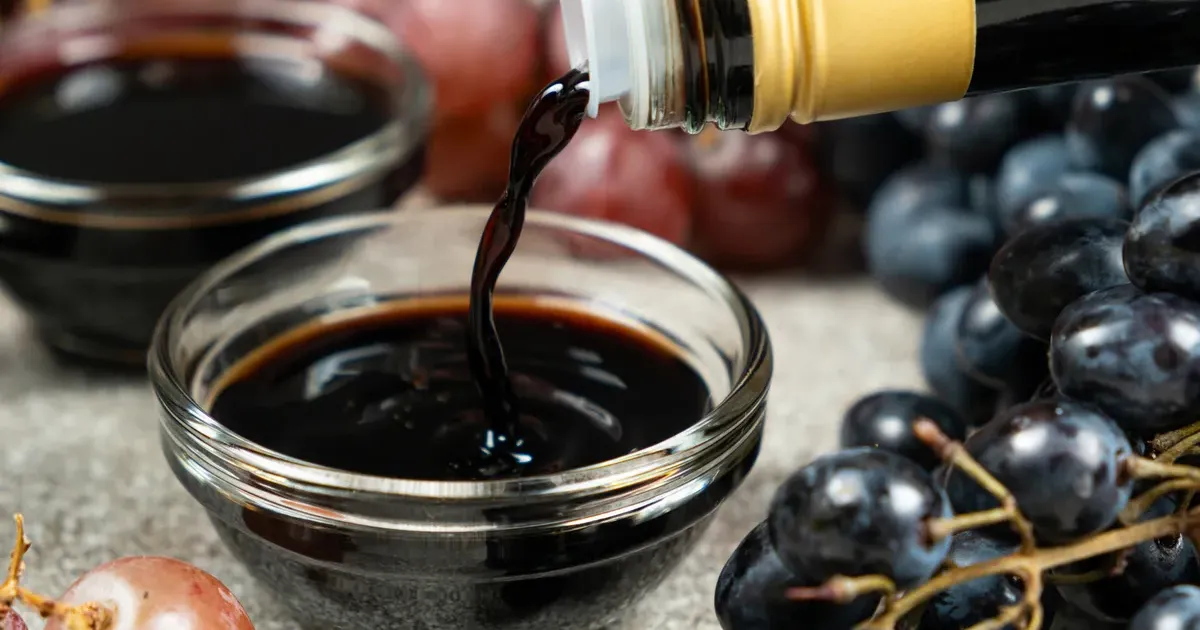
Acids like malic, citric, and acetic possess different 'curves' of flavor. Lemon juice provides a sharp, immediate peak that dissipates quickly. By contrast, balsamic vinegar offers a slow, syrupy onset that lingers on the back of the tongue. Choosing the right acid depends on the pressure of the dish. Heavy stews benefit from the fermented depth of red wine vinegar. Light salads require the ephemeral zip of lime or rice vinegar. The chemistry of fermentation adds layers of complexity that simple sodium cannot match.
But the transition is not merely about flavor. Chronic high sodium intake leads to hypertension, which is a primary driver of strokes and heart attacks globally. The FDA has recently issued voluntary reduction goals for the food industry, targeting 2.5 years of phased changes. These guidelines aim to reduce average sodium intake from 3,400 milligrams to 2,300 milligrams per day. Vinegar provides a cost-effective way for manufacturers to meet these targets without compromising the consumer experience.
Food Manufacturers Pivot Toward Acidic Flavor Profiles
Large-scale food processors are currently redesigning their formulas to include more fermented ingredients. Canned vegetable producers and snack food giants are experimenting with vinegar powders and citrus distillates. This shift toward acid-forward recipes is driven by a need to maintain shelf stability while cleaning up ingredient labels. Salt is an effective preservative, but its reputation among health-conscious consumers has plummeted. Acidification provides an alternative method to lower the pH of food, which inhibits bacterial growth.
Market analysts at Mizkan America, one of the world's largest vinegar producers, report a significant uptick in industrial orders for specialty vinegars. Apple cider vinegar, white balsamic, and champagne vinegar are no longer niche products for gourmet shops. They are now essential components in the supply chain for prepared meals and bottled sauces. Retailers are seeing a 12% annual growth in the vinegar category, far outpacing the growth of table salt sales.
The clever use of acid is the difference between a dish that is merely edible and one that is vibrant, yet we have ignored it in favor of salt for too long.
In fact, some of the most successful product launches in the snack aisle have focused on 'salt and vinegar' or 'chili lime' profiles. These products use the tongue-tingling sensation of acidity to provide a high-impact snacking experience with lower overall sodium. Still, the challenge remains for home cooks who are accustomed to reaching for the salt shaker by default. Transitioning to a vinegar-heavy pantry requires a different set of culinary instincts. It involves learning when to add the acid: early for integration, or late for a bright finish.
Global Regulatory Pressure on Sodium Consumption
Governments are no longer leaving sodium reduction to the whims of the market. In the United Kingdom, the Food Standards Agency has implemented a traffic-light labeling system that flags high-sodium products in bright red. It has forced companies like Nestle and Unilever to reformulate hundreds of products. In many cases, they have turned to vinegar and herb infusions to fill the flavor gap left by salt reduction. These regulatory environments serve as a testing ground for global food trends.
Developing nations are also feeling the pressure as Western-style diets spread. The World Health Organization has set a global goal to reduce sodium intake by 30% by the year 2030. Achieving this would prevent an estimated 7 million deaths from non-communicable diseases. To that end, public health campaigns in countries like Brazil and South Africa are teaching citizens how to use local citrus and vinegars to season their traditional dishes. The cultural shift is essential for long-term health outcomes.
Data from the $273 billion global seasoning market suggests that the 'low-sodium' label is becoming a powerful marketing tool. Consumers are more and more willing to pay a premium for products that promise heart health without sacrificing taste. The regulatory push follows decades of clinical evidence linking salt to arterial stiffness. While some industry lobbyists argue that salt is necessary for food safety, the rise of high-acid preservation techniques suggests otherwise. The focus is shifting from preservation to optimization.
Culinary Application of Citrus and Fermented Acids
Deglazing is one of the most effective ways to introduce acidity into a meal. When a pan is used to sear meat, browned bits of protein stick to the bottom. Adding a splash of vinegar or wine releases these flavors into a concentrated sauce. The technique creates a rich, savory depth that requires almost no salt to feel complete. Chefs often use this method to create pan sauces for chicken or pork, where the tang of the vinegar balances the richness of the animal fats.
Pickling provides another avenue for sodium-free flavor. Quick-pickled onions or radishes, made with vinegar, water, and a touch of sugar, can be used as a topping for tacos or burgers. These additions provide a crunch and a burst of acidity that mimics the satisfaction of a salty condiment. In turn, this reduces the need for high-sodium additions like pickles cured in heavy brine or processed cheese sauces. The vinegar provides the 'bite' that consumers crave.
Even desserts benefit from a touch of acid. A drop of balsamic vinegar on strawberries or a splash of lemon juice in a fruit tart enhances the natural sweetness of the produce. It is because acid balances the sugar, preventing the dish from becoming cloying. In professional baking, cream of tartar, an acidic byproduct of winemaking, is used to stabilize egg whites and provide a fine crumb to cakes. Acidity is a universal tool that spans the entire menu.
The Elite Tribune Perspective
History provides a serious parallel to our current obsession with dietary regulation. Rome once paid its soldiers in salt, treating the white mineral as a currency of survival and status. Today, we treat that same mineral as a public health pariah, a shift that speaks more to our failure to manage industrial food production than any inherent evil in the crystal itself. The sudden pivot to vinegar and citrus as 'tricks' for the health-conscious is a convenient distraction from the underlying reality: our palates have been hijacked by a processed food industry that uses salt to mask the blandness of cheap, degraded ingredients.
Is the promotion of vinegar truly a culinary revolution, or is it merely another chapter in the endless cycle of dietary fads? While the science of acidity is sound, the framing of it as a 'hack' ignores the systemic issues of food education and access. We are being told to squeeze a lemon over a meal to save our hearts, while the real killers remain the refined sugars and hydrogenated oils that provide the bulk of modern calories. The hyper-focus on one seasoning is a classic case of missing the forest for the trees.
True health will not be found in a bottle of apple cider vinegar, but in a complete rejection of the hyper-processed model that made salt a weapon in the first place.