Costco warehouses in the Pacific Northwest and beyond are seeing a surge in shoppers seeking both value and versatility in their pantry staples. Consumer data from the first quarter of 2026 indicates that the membership-based model continues to thrive by offering products that serve multiple domestic purposes. This trend manifests in how families select specific items like bulk snacks and raw proteins. High-income households are now prioritizing these warehouse finds as a way to mitigate rising grocery costs without sacrificing quality. Wholesale leaders are responding with larger quantities of fan-favorite items that often develop their own cult followings on social media platforms.
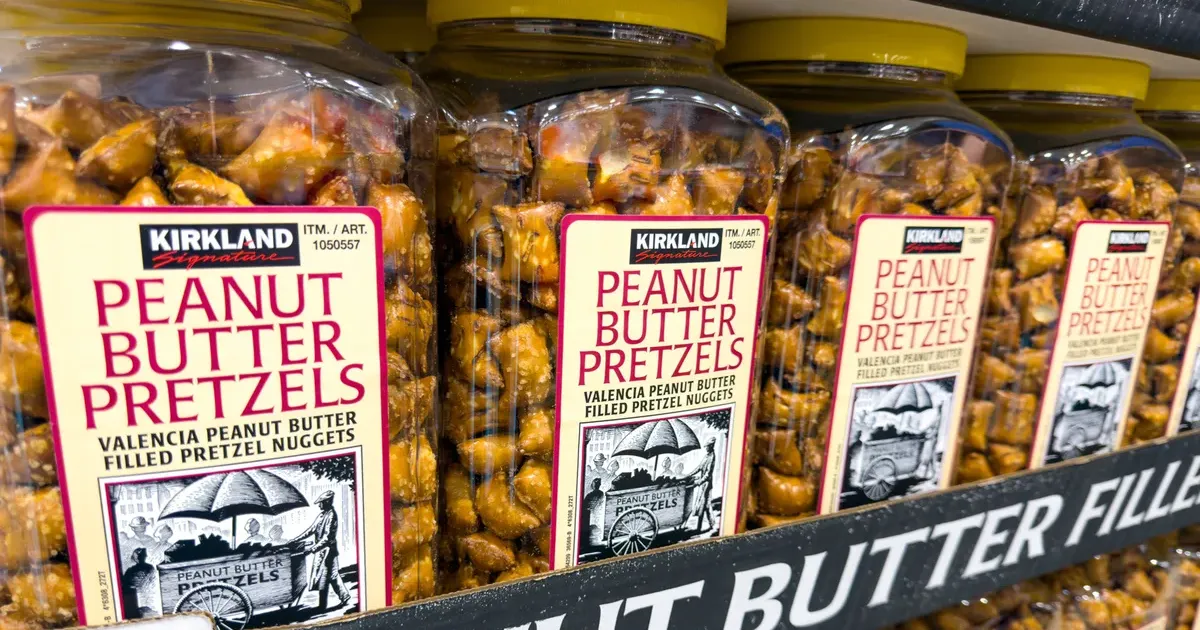
Retail experts point to the 52-ounce container of peanut butter pretzels as a prime example of this consumer shift. While the snack itself is a staple in American households, the heavy-duty plastic jar has become a focal point for organizational enthusiasts. These containers are designed for durability, featuring a wide mouth and a screw-top lid that provides an airtight seal. Many buyers now view the packaging as a secondary product rather than waste. Professional organizers frequently recommend these jars for storing everything from pet food to laundry detergent pods, citing their stackable nature and clear visibility.
Costco Meat Counters Anchor Summer Barbecue Season
Preparation for the upcoming outdoor cooking season has driven significant traffic toward the meat department of Costco stores nationwide. Buyers are more and more looking for affordable cuts of meat that can feed large groups without exceeding a strict budget. While ribeye and New York strip steaks remain popular, value-conscious shoppers are gravitating toward larger, tougher cuts that reward slow-cooking techniques. These specific selections allow home cooks to achieve premium results through patience rather than high initial investment. Market analysts note that the price per pound for these bulk offerings often sits 30% below traditional supermarkets.
Brisket and pork shoulder are currently the top performers in the warehouse meat section. These cuts possess high fat content and connective tissue, making them ideal for long hours in a smoker or slow cooker. Many home chefs prefer the untrimmed variety, which allows for customization of the fat cap to suit specific barbecue styles. The sheer volume of these purchases suggests that the American tradition of large-scale outdoor gatherings is rebounding despite economic pressures. Analysts expect this momentum to continue as temperatures rise across the country.
A good barbecue session begins when you are at the grocery store, which is why this cut of meat at Costco is a prime candidate thanks to its flavor and price.
And the savings extend beyond the initial purchase price. Large primal cuts can be broken down into smaller portions for multiple meals, providing a week of protein for a fraction of the cost of individual steaks. Some shoppers choose to grind their own burger meat from these larger portions to ensure a specific lean-to-fat ratio. Still, the primary draw remains the ability to purchase high-grade USDA Choice or Prime meat in quantities that satisfy a neighborhood crowd.
Aldi Vegan Taco Filling Challenges Meat Dominance
Meanwhile, Aldi is capturing a different segment of the market by expanding its plant-based offerings. The retailer has introduced a vegan taco filling that shoppers claim is indistinguishable from seasoned ground beef. This product belongs to the Earth Grown line, which has become a significant driver of foot traffic for the German supermarket chain. Health-conscious consumers are seeking convenience, and this pre-seasoned filling requires only minutes of heating before it is ready for consumption. It appeals to both dedicated vegans and flexitarians looking to reduce their meat intake without losing the texture of a classic taco.
Feedback from loyal customers suggests that the seasoning profile is the key to the success of this meat alternative. It uses a blend of cumin, chili powder, and onion that mirrors traditional Mexican-style street tacos. In fact, many reviewers on digital forums have noted that the texture holds up better under heat than more expensive laboratory-grown meat substitutes. By keeping the ingredient list relatively simple and the price point low, the brand has secured a permanent spot in the refrigerated aisles. The product also is a gateway for shoppers who might otherwise be skeptical of plant-based proteins.
Operational efficiency allows the retailer to maintain these low prices. Unlike traditional grocery stores that stock thousands of brand names, this company focuses on a selected selection of private-label goods. This strategy reduces overhead and simplifies the supply chain, a benefit that is passed directly to the shopper. For instance, the taco filling is often located near other Mexican-inspired staples like salsa and tortillas, encouraging a one-stop shopping experience. Efficiency is the core of their business model, and it clearly connects with the modern time-strapped consumer.
Peanut Butter Pretzel Containers Spark Recycling Trend
Returning to the warehouse environment, the reuse of plastic packaging has evolved into a grassroots movement among members. The square shape of the 52 ounces peanut butter pretzel jar is particularly conducive to pantry organization. It fits neatly into standard cabinetry, maximizing vertical space in small kitchens. Some hobbyists use them in workshops to sort screws, nails, and other hardware components. Because the plastic is food-grade and BPA-free, it is safe for a variety of domestic uses after the original contents are finished.
But the environmental impact is perhaps the most significant aspect of this behavior. By repurposing these large containers, consumers are effectively slowing the flow of single-use plastics into the waste stream. It is a form of upcycling that requires zero additional investment. In particular, the durability of the lid ensures that the jars can be used for years without losing their structural integrity. Some craft enthusiasts have even begun painting or labeling the jars to create a uniform aesthetic in their storage areas.
Retailers are noticing these habits and occasionally adjust their packaging to be even more user-friendly for secondary purposes. While the primary goal is still the protection of the food product, the longevity of the container adds perceived value to the purchase. For a family buying multiple jars a month, this is a significant influx of free storage solutions. It is a rare win-win scenario where the consumer gets a quality snack and a durable household tool in a single transaction.
Big Box Retailers Reshape Modern Consumption Habits
The success of $10 billion in annual snack sales across the warehouse sector is not a coincidence. It is the result of a precise understanding of the suburban psyche. Shoppers want to feel like they are beating the system by finding hacks that save money or solve a household problem. Whether it is a perfectly marbled piece of beef or a plant-based meal that saves time on a Tuesday night, the focus is on utility. Retailers that can provide this sense of discovery will continue to dominate the market share.
Supply chain transparency has also become a priority for these large corporations. Customers now demand to know where their meat is sourced and what ingredients are in their vegan alternatives. To that end, both companies have increased their reporting on sustainability and ethical sourcing practices. The openness builds trust with a demographic that is more and more skeptical of traditional corporate narratives. Reliable products at predictable prices remain the ultimate goal for the average head of household.
Market volatility has not slowed the expansion of these retail giants. In turn, they have become the primary laboratories for new food trends and packaging innovations. Small-scale producers often struggle to compete with the sheer volume and distribution power of these entities. Even so, the diversity of products available to the consumer has never been higher. The shift toward bulk buying and clever reuse is likely a permanent fixture of the modern American lifestyle.
The Elite Tribune Perspective
Should we really be celebrating our kitchens are becoming annexes of a warehouse floor? The current obsession with grocery hacks and container upcycling is a thin veil for the reality that the middle class is being squeezed into a life of bulk-buy survivalism. We are told that saving a plastic jar is an environmental victory, yet we ignore the massive carbon footprint required to ship 52-ounce tubs of pretzels across the globe.
It is a clever psychological trick: retailers convince us that we are being savvy consumers when we are actually just performing free labor by sorting our own recyclables and breaking down our own meat primals. The performance of thriftiness serves the corporate bottom line far more than it helps the family budget. While the meat is indeed cheaper per pound, the hidden cost is the time spent processing it and the extra space required to store bulk items. what is unfolding is the commodification of domesticity, where even our trash is rebranded as a household asset.
Real innovation would be a food system that does not require a membership fee to access affordable protein or a DIY project to justify a plastic jar. Until then, we will continue to worship at the altar of the warehouse, pretending that our clever reuse of a pretzel tub is anything more than a symptom of a disposable culture.