Fluorescent lights hum above rows of silver carts at the Issaquah warehouse. Costco analysts report that 2.4 million new members joined the wholesale giant last quarter. Revenue figures from the first two months of the year indicate a consumer shift toward bulk protein and pre-processed convenience foods. Shoppers are filling carts with multi-packs of Greek yogurt and oversized trays of ribeye. Market data shows a significant correlation between viral social media mentions and regional inventory depletion. Inventory levels for specialized dairy products fluctuate as digital trends dictate weekly grocery lists.
Retail experts point to a specific $10 high-protein staple as the primary driver of recent foot traffic. This creamy dairy product gained traction after influencers shared testimonials regarding its versatility in meal prepping. Many customers first encountered the item through personal recommendations from family members. Cousins and siblings are trading recipes for high-protein dips that utilize the warehouse-sized containers. The cost per ounce remains lower than traditional supermarkets despite rising dairy production expenses. One specific brand of cottage cheese has seen a 40 percent increase in sales since January.
Costco High Protein Staples Drive Sales
Consumer interest in metabolic health has transformed the dairy aisle into a high-stakes environment. High-protein labels now dominate the eye-level shelving in the refrigerated section. Kirkland Signature has expanded its private-label offerings to include organic, high-protein options that undercut national brands by 15 percent. These products often arrive in two-packs to encourage higher volume consumption. Analytical reports from the food sector suggest that shoppers are more and more prioritizing macronutrient density over traditional brand loyalty. The shift is particularly evident among urban professionals who utilize the warehouse for weekly meal planning.
Supply chain logistics for these dairy products require precise temperature controls. And any disruption in the cold chain results in immediate losses for the regional distribution centers. Still, the company has managed to maintain a 99 percent in-stock rate for its most popular high-protein items. In fact, the logistical efficiency of Costco allows it to move perishable goods faster than almost any other North American retailer. Frequent deliveries ensure that the product on the shelf is rarely more than three days old. Freshness remains a non-negotiable metric for the membership base.
By contrast, competitors struggle to match the pricing for these oversized dairy containers. To that end, the wholesale model relies on a membership fee structure to offset the thin margins on food items. $10 billion in annual revenue now comes directly from membership renewals rather than just product sales. This financial cushion allows the retailer to keep the price of the viral $10 protein staple stable even as milk futures rise. Loyalty is built on the consistency of these core prices.
Blade Tenderized Steak Safety Protocols
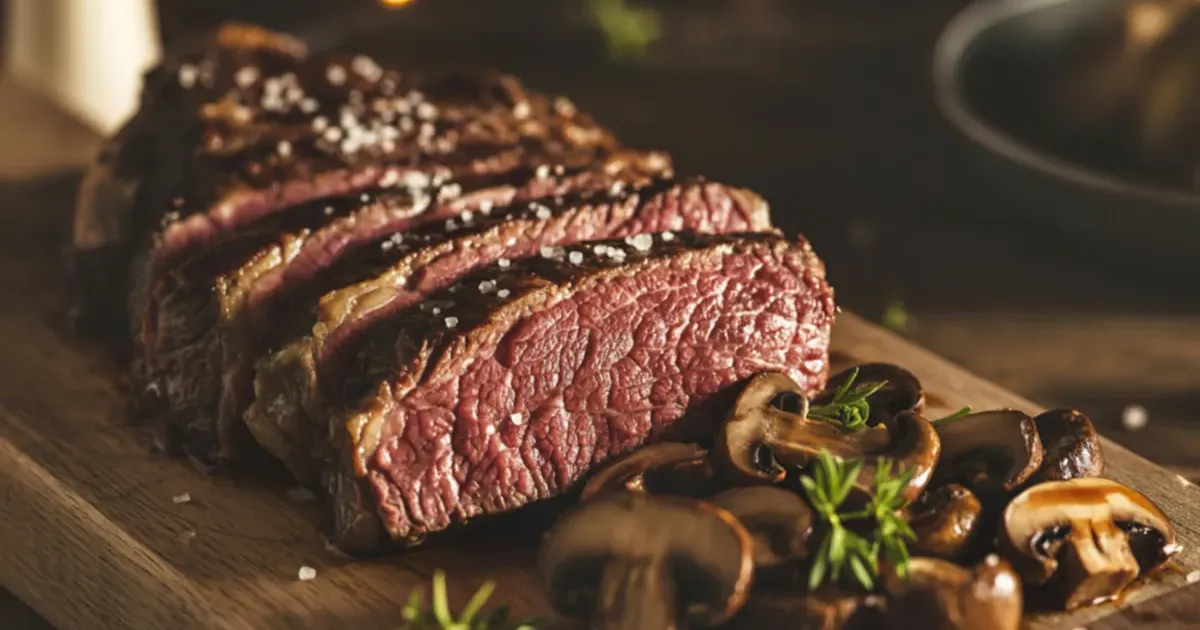
Meat counters at the warehouse offer a different value proposition for the home cook. Professional butchers prepare various cuts that simplify the grilling process for casual enthusiasts. Meanwhile, many shoppers are unaware that a significant portion of the beef selection undergoes mechanical tenderization. This process uses needles or blades to break down tough connective tissue in the muscle. It transforms affordable cuts into steaks that rival premium options in terms of texture. But the process also introduces specific requirements for food safety and preparation.
Next time you are at Costco, take a closer look at the steak counter to find cuts that can make grilling simpler, tastier, and more reliable.
Safety remains a primary concern for the United States Department of Agriculture regarding mechanically tenderized beef. Because the needles move from the surface into the center of the meat, they can carry surface bacteria into the interior. The United States Department of Agriculture mandates that all such products carry a label informing the consumer of the process. For instance, the label must specify that the meat should be cooked to an internal temperature of at least 145 degrees Fahrenheit. A three-minute rest period is also required after cooking to ensure thermal lethality for pathogens. Failure to follow these guidelines increases the risk of foodborne illness.
Grilling becomes more predictable when using these pre-processed cuts. Still, the compromise involves a loss of control over the internal temperature for those who prefer rare or medium-rare steaks. The mechanical process makes the meat more porous and susceptible to heat. In turn, the cooking time is often shorter than that of a non-tenderized steak of the same thickness. Experienced grillers often use a digital probe thermometer to monitor the rapid rise in core temperature. The United States Department of Agriculture continues to monitor compliance with labeling laws at every warehouse location.
Membership Growth and Kirkland Brand Loyalty
Brand strength is the invisible engine of the warehouse business model. Kirkland Signature now accounts for more than a quarter of the total sales across all categories. For one, the private label provides a psychological safety net for consumers who are wary of inflation. They trust the black-and-red logo to represent a balance of quality and cost that national brands cannot maintain. The trust is essential for the success of new product launches in the food sector. The 2026 catalog includes more than 300 new protein-heavy SKUs under the house brand.
Product development teams at the corporate headquarters in Washington focus on high-utility items. Separately, they monitor social media sentiment to identify potential viral hits before they reach peak popularity. The proactive approach allowed the company to secure exclusive distribution rights for several high-protein snacks this spring. The ability to pivot inventory based on digital feedback loops has shortened the traditional retail cycle. Market agility is a core competitive advantage in the 2026 retail environment. The membership renewal rate currently stands at 92 percent in the US market.
Profitability is not the only metric for success in the food aisles. At its core, the warehouse strategy focuses on item velocity and member satisfaction. High-protein products move quickly, which reduces the overhead associated with long-term storage. To that end, the retailer often removes underperforming items within weeks to make room for new trends. The aggressive curation ensures that the shopping experience feels fresh during every visit. Members often feel a sense of urgency to purchase items they recognize from online trends. The fear of missing a limited-time deal drives immediate sales.
Viral Social Media Impact on Inventory
Digital platforms have turned the grocery store into a theater of discovery. TikTok and Instagram serve as unofficial marketing arms for the warehouse club. For instance, a single 15-second video highlighting a creamy protein dip can lead to a 500 percent spike in search queries for that product. In fact, many warehouses now place viral items in high-visibility endcaps to capitalize on this digital momentum. The physical layout of the store is more and more influenced by what is happening on smartphone screens. Foot traffic patterns change based on the latest trending recipes.
Retail is a game of attention. And the warehouse has mastered the art of holding it. Even so, the reliance on viral trends creates challenges for local managers. Predicting which item will become the next sensation is an inexact science. Sometimes a specific steak cut becomes popular due to a new grilling technique shared on a forum. Other times, a simple dairy product becomes a cult classic overnight. These fluctuations require a highly responsive distribution network to avoid empty shelves. The logistics team uses real-time data to shift stock between regional hubs.
Customer feedback loops are tighter than ever before. For one, the member app allows for instant reporting of product availability. The data helps the corporate office understand regional demand variations in real time. For instance, high-protein staples may sell faster in metropolitan areas compared to rural warehouses. In turn, the company tailors its inventory mix to the specific demographics of each location. Regional managers have the authority to adjust orders based on local community preferences. The goal is to minimize waste while maximizing the availability of trending goods.
The Elite Tribune Perspective
Modern consumers treat the warehouse club as a secular cathedral where the high priest is a rotisserie chicken. what is unfolding is the final death of the traditional supermarket as the middle class retreats into the gated communities of membership-based bulk buying. It is not about saving money; it is about the illusion of preparedness in an more and more volatile economy. Buying a three-pound tub of high-protein dip is a hedge against a future where fresh food feels like a luxury.
The obsession with macronutrients is merely a distraction from we are all participating in a massive experiment in industrial food processing. We celebrate the tenderness of a blade-tenderized steak while ignoring the reality that it requires a chemistry set of safety labels just to be consumed safely. The warehouse model succeeds because it turns the mundane act of survival into a treasure hunt. It exploits the human desire for tribal belonging through exclusive memberships and viral endorsements. If you think you are winning because you found a $10 protein staple, you have already lost the game.
You are not a savvy shopper; you are a data point in a very efficient machine. The machine does not care about your health, only your renewal fee.