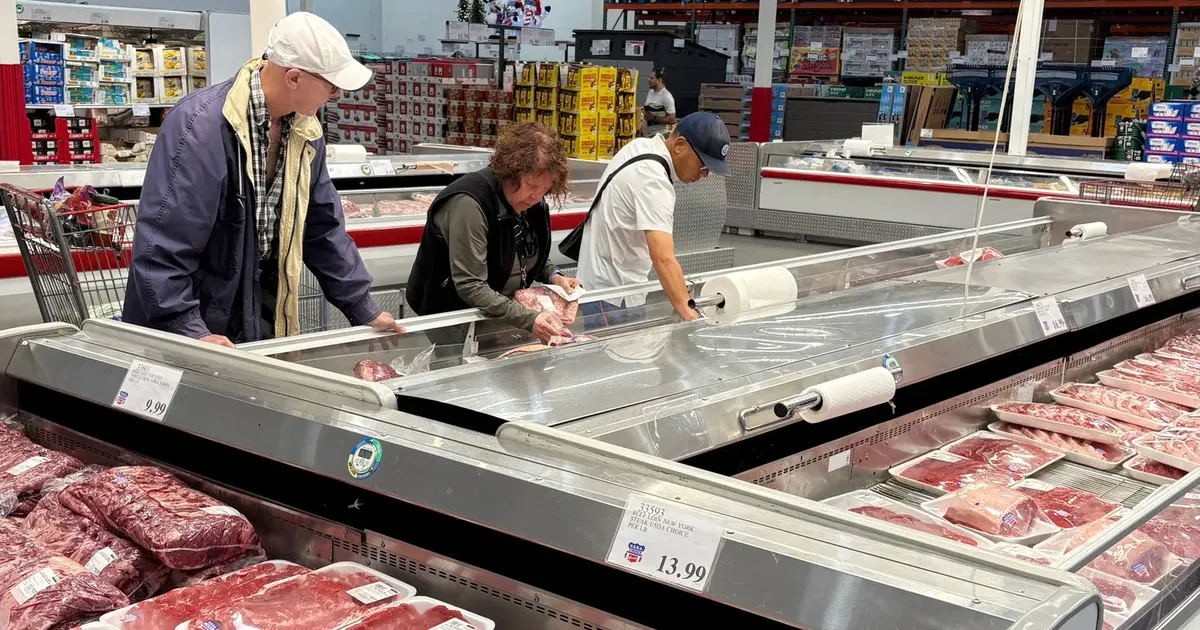
Seattle residents often associate Kirkland Signature with bulk paper towels and oversized jars of cashews, yet the brand has quietly seized control of the domestic meat market through a sophisticated vertical integration strategy. Consumer confidence in grocery store protein has fluctuated as inflation forces families to choose between premium cuts and budget-friendly alternatives. Retail analysts point to the unique sourcing methods used by the wholesale giant to explain why their ground beef consistently outperforms traditional supermarket offerings in both texture and fat consistency.
Costco utilizes a blend of trimmings from their higher-end steaks to produce their ground beef, ensuring that the lean-to-fat ratio remains stable during the cooking process. Most traditional grocers rely on pre-packaged tubes known as chubs, which are processed far from the point of sale and often contain meat from dozens of different cows. By contrast, the wholesale club processes much of its beef in-house, utilizing leftovers from their prime and choice subprimals. This localized grinding process reduces the risk of oxidation and maintains a brighter red hue that consumers associate with freshness.
The demand for consistency is absolute.
Market research indicates that the average American household consumes ground beef at least once per week, making it the most significant protein anchor in the domestic diet. Pricing remains a primary driver, but the physical performance of the meat in the pan often dictates long-term brand loyalty. When beef releases excessive amounts of liquid or grease during browning, it indicates a high moisture content or lower-quality fat trimmings. Costco Wholesale maintains a strict 88/12 or 85/15 ratio for its primary ground beef products, which is leaner than the standard 80/20 found in many budget stores.
Kirkland Signature Ground Beef Supply Chain Logistics
Supply chain transparency has become a hallmark of the Kirkland beef program, with the company using its massive purchasing power to dictate terms to major meatpackers. While smaller retailers take what is available on the spot market, the warehouse giant secures long-term contracts that specify exactly which cuts can be included in the grind. This prevents the inclusion of gristle or heavy connective tissue that often plagues cheaper ground beef varieties. Industry insiders suggest that the company even monitors the grain-to-grass finishing ratios of the cattle to ensure a specific flavor profile.
Efficiency in logistics also plays a role in the final product quality. Meat spends less time in transit because of the high turnover rates at individual warehouses, meaning the product on the shelf is frequently less than 48 hours removed from the grinding floor. 80/20 blends at typical supermarkets may sit in temperature-controlled displays for several days, leading to the development of off-flavors or a mushy texture upon cooking. Kirkland avoids this by moving inventory at a pace that rivals dedicated butcher shops.
Costco ground beef is perhaps the best deal in the entire store because they use the same high-quality trimmings from their choice and prime steak programs rather than sourcing lower-grade scraps from outside vendors.
Bulk packaging does present a challenge for smaller households despite the high quality. Selling beef in three-portion packs or large five-pound trays requires the consumer to have an effective storage and portioning strategy. To that end, the company has introduced vacuum-sealed bricks that have a longer shelf life in the freezer compared to traditional plastic wrap. But the sheer volume of fat that can render out of even high-quality beef remains a concern for health-conscious cooks who want to minimize caloric density without sacrificing the maillard reaction.
Fat Skimming Techniques for High Volume Meat Cooking
Managing the rendered fat during the browning process is a technical necessity for achieving a professional sear. When meat sits in a pool of its own grease, it begins to boil rather than brown, resulting in a grey, rubbery texture and a loss of flavor complexity. Conventional wisdom suggests using a spoon to ladle out the liquid or pouring it into a glass jar, but these methods are often slow and messy. In fact, professional chefs often employ a more rapid technique involving simple kitchen tools to clear the pan in seconds.
Using a paper towel is the most efficient way to remove excess grease without losing the meat itself. One simply pushes the browned beef to one side of the pan, tilts the vessel slightly to let the liquid fat collect in the empty space, and uses tongs to press a folded paper towel into the pool. This absorbent material wicks up the grease instantly, allowing the cook to resume browning without the interference of a liquid barrier. $4.99 is a small price to pay for a pound of beef, but wasting that value by serving a greasy dish is a common culinary error.
p>Precise fat management also allows for better seasoning adherence. Salt and spices dissolve in fat, but if that fat is subsequently drained away, much of the flavor leaves the pan with it. By skimming the fat quickly after the initial sear, the cook can then add aromatics like onions or garlic to the remaining thin film of oil. It ensures that the flavor remains concentrated on the surface of the meat rather than being lost in a discarded jar of tallow.Economic Pressures Drive Bulk Ground Beef Consumption
Economic shifts have pushed more middle-class consumers toward warehouse clubs for their primary grocery needs. As the price of individual ribeye or strip steaks climbs, ground beef is a versatile substitute that can be shaped into burgers, folded into pasta sauces, or used in traditional meatloaves. The perceived value of the Kirkland brand acts as a psychological buffer against rising food costs. Still, the quality of the fat within that beef determines whether the meal feels like a compromise or a luxury.
Bulk purchases require surgical precision in the kitchen.
Data from the Bureau of Labor Statistics shows that meat prices have outpaced general inflation by nearly 12 percent over the last 24 months. The reality has turned the act of buying ground beef into a calculated investment for many families. They are no longer looking for the cheapest possible option, but rather the best value-to-quality ratio. Kirkland Signature has occupied this middle ground effectively by offering a product that feels closer to a custom butcher blend than a mass-market commodity.
Nutrient Density and Culinary Performance of Retail Beef
Culinary performance is in the end tied to the protein-to-fat matrix established during the grinding process. If the fat is not distributed evenly, the meat will crumble or become overly dry during high-heat applications. Kirkland ground beef is often praised for its ability to hold a shape, which suggests a careful balance of lean muscle and intramuscular fat. The structural integrity is particularly important for home cooks who do not use binding agents like eggs or breadcrumbs in their burgers.
Nutrient density also varies depending on the age and diet of the cattle. Leaner blends like the 88/12 Kirkland variety provide a higher concentration of iron and B12 per ounce compared to the fattier 70/30 blends often sold at discount retailers. While fat carries flavor, an excess of it in ground beef often contains higher levels of saturated fats that many consumers are looking to avoid. Using the paper towel skimming trick helps bridge the gap for those who buy the 80/20 blend for its flavor but want the nutritional profile of a leaner cut.
Kitchen efficiency is the final frontier for the modern home cook. By combining high-quality sourcing from a trusted retailer with rapid fat-removal techniques, the process of preparing a weekday meal becomes less of a chore and more of a controlled exercise. The transition from a greasy pan to a perfectly browned crumble takes only a few seconds when the right tools are applied. Costco continues to expand its meat processing facilities to meet this rising demand from a more discerning public.
The Elite Tribune Perspective
Luxury is often defined by scarcity, yet the American meat market suggests that true quality now stems from the sheer scale of global logistics. While boutique butchers attempt to sell the narrative of the single-farm origin, the reality is that Costco Wholesale has mastered the art of high-volume excellence that smaller operators simply cannot replicate. We are often told that industrial food is by nature inferior, but the Kirkland ground beef program exposes this as a convenient myth for the elite.
The warehouse model uses the blunt force of its balance sheet to strip away the inefficiencies of the traditional grocery middleman, delivering a product that is objectively superior in fat distribution and freshness. If you are still buying your beef in plastic-wrapped chubs from a standard supermarket, you are participating in an outdated and overpriced system. The technical trick of skimming fat with a paper towel is merely a Band-Aid for those who haven't yet transitioned to the leaner, more consistent grinds offered by the wholesale giants.
True culinary sophistication in the modern era is not about finding a hidden gem in a local market. It is about recognizing that the highest standards are now found in the aisles of a warehouse, provided you have the pallet space and the freezer to accommodate the scale.