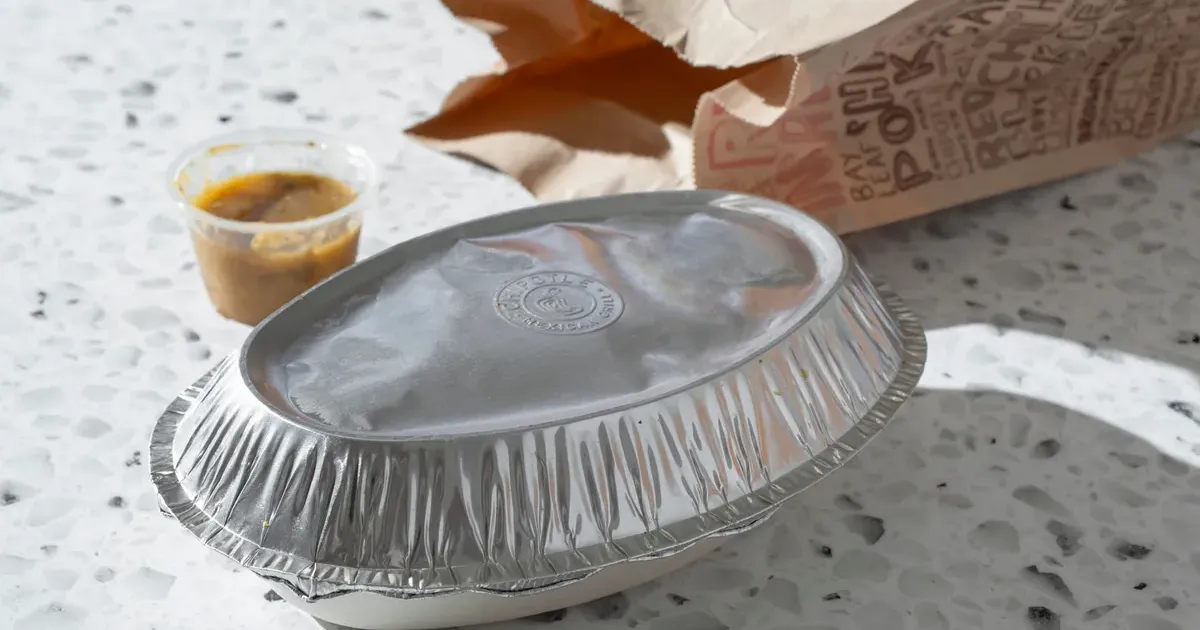
Chipotle Mexican Grill kitchens across the United States processed record volumes of black beans and brown rice in March 2026 as dietary fiber became a primary metric for health-conscious diners. Nutritionists are highlighting specific menu combinations that maximize satiety and digestive health while avoiding the calorie traps often found in fast-casual dining. Recent data from the National Health and Nutrition Examination Survey indicates that nearly 95 percent of American adults fail to meet the recommended daily fiber intake. Fiber deficiency is a major factor in rising rates of metabolic disorders and gastrointestinal issues across North America.
Daily dietary requirements suggest women should consume at least 25 grams of fiber, while men require 38 grams for optimal health. Most people consume fewer than 15 grams per day, leading to a reliance on restaurant chains that offer transparent ingredient lists. Chipotle allows for a degree of customization that is rare in the high-volume food sector. Customers who understand the biological impact of soluble versus insoluble fiber are now using the assembly line to engineer bowls that provide over 70 percent of their daily needs in a single sitting.
Fiber Composition in Chipotle Legumes
Beans occupy the top tier of high-fiber additions available at the assembly line. Both pinto and black beans offer exactly 7 grams of fiber per four-ounce serving, but their nutritional profiles vary slightly in other categories. Black beans are rich in anthocyanins, which are antioxidants that support cardiovascular health by reducing oxidative stress. In fact, the outer shell of the black bean is composed of cellulose and hemicellulose, two types of insoluble fiber that accelerate the movement of food through the digestive tract. This structural complexity makes them a staple for those focusing on gut motility.
Pinto beans provide a higher concentration of soluble fiber, which dissolves in water to form a gel-like substance during digestion.
Soluble fiber is known to lower blood cholesterol levels and stabilize blood glucose by slowing the absorption of sugar. Professional dietitians frequently recommend a double scoop of beans for customers looking to maximize their bowl without adding the heavy caloric load of sour cream or cheese. Every extra serving of legumes adds another 7 grams of fiber to the total count. Chipotle sources these legumes from a network of growers who focus on soil health, which impacts the mineral density of the final product.
Nutritional Value of Chipotle Brown Rice
Rice selection is a critical decision point for anyone seeking a fiber boost at the start of the ordering process. Brown rice contains the entire grain kernel, including the bran and germ, which are the primary sources of fiber and essential vitamins. By contrast, white rice undergoes a refining process that removes these layers, leaving only the starchy endosperm. A standard serving of brown rice provides approximately 2 grams of fiber, whereas the white variety offers less than half a gram. While two grams might seem negligible, it contributes to the cumulative total of a high-fiber build.
Brown rice grains require longer cooking times to soften the fibrous outer layer without turning the starch to mush. According to kitchen staff training manuals, the rice is seasoned with citrus juice and cilantro to enhance flavor without the need for high-sodium additives. The presence of the bran layer in brown rice also results in a lower glycemic index, meaning it does not cause the sharp insulin spikes associated with refined grains. For instance, a customer who chooses brown rice over white rice is effectively choosing sustained energy over a temporary glucose high. Rice preparation remains one of the most consistent elements of the chain's operational model.
Guacamole Fiber Metrics and Cost
Avocados are the secret weapon for fiber enthusiasts despite being primarily marketed for their healthy monounsaturated fats. A standard four-ounce scoop of guacamole at Chipotle contains approximately 8 grams of fiber, making it one of the most fiber-dense items on the entire menu. The high fiber content in avocados is roughly 25 percent soluble and 75 percent insoluble, offering a balanced benefit for both cholesterol management and bowel regularity. Many customers hesitate to add guacamole due to the additional surcharge, yet its nutritional payoff often outweighs the financial cost for those focusing on health.
Fiber acts as the primary broom for the digestive tract, yet 95 percent of the population fails to reach basic intake levels.
Guacamole is prepared fresh daily at each location to prevent the oxidation of these sensitive fats.
Separately, the inclusion of lime juice and jalapeños in the guacamole adds trace amounts of fiber and Vitamin C. Yet the primary value lies in the avocado itself, which contains more potassium than a banana. High-fiber diets are linked to lower risks of developing hypertension and obesity. Customers who combine a double serving of beans with a scoop of guacamole can reach 22 grams of fiber before adding any other ingredients. This combination is particularly effective for appetite suppression throughout the afternoon.
Veggie Mix Fiber Efficiency
Vegetable additions provide the final touches to a fiber-heavy bowl without adding significant fat or sodium. The fajita vegetable mix, consisting of sautéed bell peppers and red onions, adds approximately 1 gram of fiber per serving. Still, these vegetables offer not merely fiber; they provide essential prebiotics that feed beneficial gut bacteria. Red onions are particularly rich in inulin, a type of prebiotic fiber that supports the growth of Bifidobacteria. Even so, the cooking process at Chipotle is kept brief to maintain the structural integrity and nutrient density of the vegetables.
Fresh tomato salsa and roasted chili-corn salsa further increase the fiber count by about 2 grams each. Meanwhile, the corn salsa is notable for its use of whole kernels, which are naturally high in insoluble fiber. Customers often overlook these toppings as mere flavor enhancers, but they contribute to a diverse fiber profile that supports a healthy microbiome. In turn, a diverse intake of plant-based fibers is more effective than relying on a single source like beans or rice alone. Nutritional experts suggest that a variety of fiber types is essential for preventing long-term metabolic issues. Daily fiber goals are achievable for those who treat the menu as a collection of building blocks rather than a set of fixed meals.
The Elite Tribune Perspective
Should we actually trust a corporate kitchen to manage our intestinal health? The modern obsession with hacking fast-casual menus like Chipotle to reach nutritional goals is a symptom of a broken food system that focuses on convenience over culinary sovereignty. We celebrate a bowl for having 15 grams of fiber, yet we ignore that this fiber is delivered in a high-sodium package designed for mass consumption and addictive palatability. Corporate dietitians might point to the pinto bean as a savior of the American colon, but they rarely mention the industrial scaling required to keep those beans consistent across 3,000 locations.
True nutritional health is not found in the optimization of an assembly line; it is found in the diversity of a local pantry. We have reached a point where customers are forced to perform complex mental math just to ensure their lunch does not contribute to the national epidemic of constipation and sluggishness. Chipotle is not a wellness clinic. It is a highly efficient machine that has successfully rebranded basic legumes as a premium health product.
If you need a corporate bowl to get your daily fiber, you are not a health-conscious diner, you are a victim of a society that has forgotten how to boil a pot of lentils at home. The burrito bowl is a temporary fix for a permanent biological requirement.