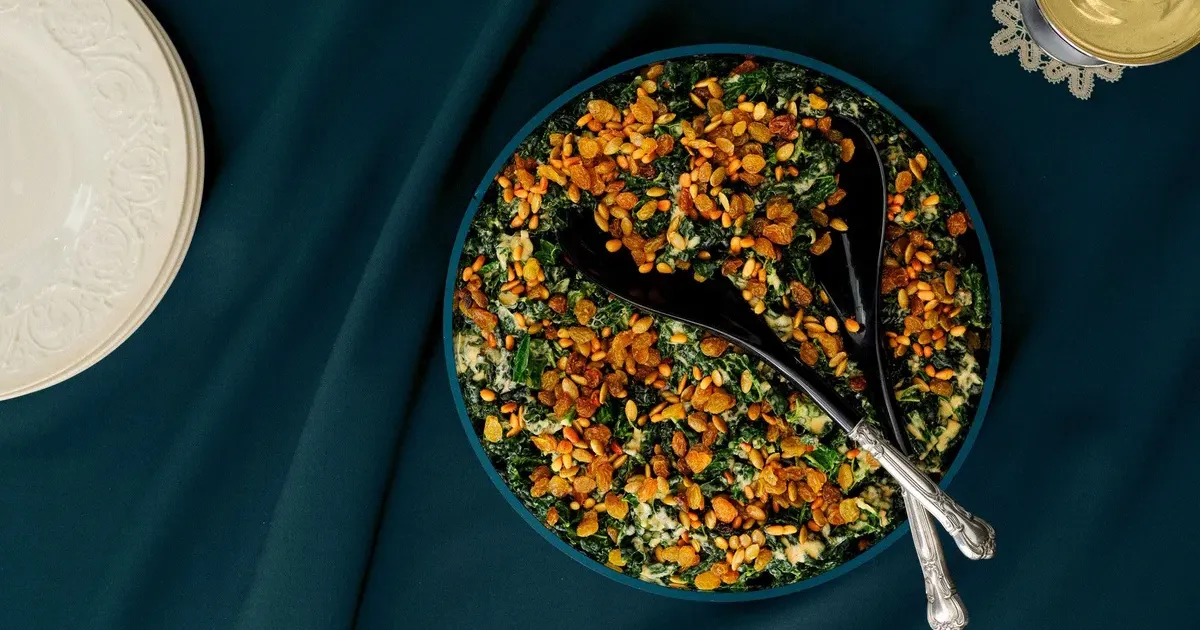
Bon Appétit editorial teams on March 20, 2026, highlighted a shift toward crunch-heavy botanicals and global spice pastes in domestic meal preparation. Modern recipe development now favors high-density texture over the softer, more homogenous profiles of previous decades. These culinary selections focus on Seedy Kale Salad, harissa-glazed seafood, and earthy shortbread variations. Such items represent a broader move toward nutrient-dense, shelf-stable additives that provide structural complexity to simple dishes.
For instance, the use of seeds in leafy greens has transitioned from an optional garnish to a structural requirement. Raw kale, known for its rigid fibrous nature, requires significant mechanical breakdown or acidic softening to become palatable for daily consumption. Incorporating toasted pepitas, sunflower seeds, and sesame provides a necessary counterpoint to the bitterness of Lacinato or curly varieties. Home cooks have welcomed this change as a way to increase caloric utility without relying on heavy cream-based dressings.
Meanwhile, the specific composition of a Seedy Kale Salad often includes a vinaigrette designed to emulsify with the natural oils released by crushed seeds. Salt and acid act as triggers, drawing out moisture from the kale while the seeds provide a rhythmic crunch in every bite. Culinary experts observe that this trend mimics the textural diversity found in Middle Eastern and Levantine cuisines. It focuses on the tactile experience of eating as much as the nutritional profile itself.
Texture has become the primary metric for successful home cooking.
In fact, the integration of Harissa Salmon into the weekly rotation indicates a growing comfort with North African flavor profiles among Western audiences. Harissa is a hot chili pepper paste originating from Tunisia, typically containing roasted red peppers, Baklouti peppers, serrano peppers, and other hot chili peppers. It is combined with spices and herbs like garlic paste, caraway seeds, coriander seeds, cumin, and olive oil to carry its heat. When applied to Atlantic salmon, the sugars in the paste caramelize under high heat, creating a crust that protects the delicate fat within the fish.
But the popularity of Harissa Salmon is also a result of market accessibility. Global supply chains have stabilized to the point where specialty spice pastes are now available in suburban grocery stores across the United States and United Kingdom. This availability allows for high-impact cooking with minimal prep time, a necessity for the modern professional. The dish provides a visual vibrancy that translates well to social media platforms, though its primary value lies in its balanced heat.
Yet, the salmon itself must be of high quality to withstand the assertive nature of the chili paste. Wild-caught or sustainably farmed Atlantic varieties are preferred for their higher oil content, which prevents the meat from drying out during the roasting process. Some cooks have begun integrating citrus zest into the harissa rub to provide a bright top note that cuts through the spice. This combination has effectively replaced the standard lemon-and-dill pairing in many modern kitchens.
Texture Drives Seedy Kale Salad Popularity
According to recent market data, the sale of bulk seeds has grown by 15 percent over the last year as consumers seek out functional ingredients. The Seedy Kale Salad is a direct beneficiary of this procurement shift. It utilizes raw ingredients that can withstand several days of refrigeration, unlike more delicate greens like arugula or bibb lettuce. Longevity is a factor for urban dwellers who shop less frequently but demand fresh results. By focusing on seeds, the salad remains crisp even after being dressed, a feat impossible for traditional garden salads.
"The goal was to create something that felt substantial without being heavy, utilizing the pantry staples people already own," stated a representative from the recipe development team.
Separately, the nutritional science behind the Seedy Kale Salad suggests a deliberate move toward healthy fats. Seeds are dense in omega-3 fatty acids and magnesium, providing a slow-release energy source that complements the quick fiber of the kale. This teamwork makes the dish a standalone meal rather than a mere side. Analysts note that the "seedy" descriptor has become a marketing shorthand for health-conscious, high-performance eating. It appeals to those who view food through a lens of biological optimization.
Still, the preparation of the kale remains the most labor-intensive step in the process. Massaging the leaves with oil or lemon juice is still a standard technique to break down the cell walls. The manual intervention transforms a tough, often unappealing vegetable into a tender base that can support a heavy load of seeds and nuts. Without this step, the Seedy Kale Salad would be physically difficult to masticate. The labor involved is a deliberate trade-off for the nutritional payoff.
Rye flour is no longer just for bread.
Harissa Salmon Signals Bold Flavor Preferences
By contrast, the dessert portion of the current culinary cycle focuses on the earthy, slightly sour notes of rye shortbread cookies. Traditional shortbread relies on the simplicity of butter, sugar, and all-purpose flour. The introduction of rye flour alters the chemical structure of the cookie, providing a darker color and a more complex crumb. Rye contains less gluten than wheat, resulting in a shorter, more delicate snap that melts more quickly on the tongue. It offers a sophisticated alternative to the overly sweet treats common in mass-produced confectioneries.
In turn, the rise of rye in baking reflects a broader reclamation of heritage grains. Cooks are increasingly skeptical of highly processed white flours, seeking out ingredients that retain the bran and germ. Rye shortbread cookies serve as a bridge between health-conscious eating and the indulgence of a traditional dessert. They provide a nutty undertone that pairs well with the high-quality butter used in the dough. The balance ensures the cookie is not just a carrier for sugar but a complex flavor experience in its own right.
Rye Shortbread Cookies Redefine Dessert Standards
Even so, the technical challenges of working with rye cannot be ignored. The flour absorbs moisture differently than wheat, requiring precise measurements to prevent the dough from becoming overly dry or crumbly. Bakers have found that chilling the dough for an extended period allows the rye to fully hydrate, resulting in a superior texture. The attention to detail is characteristic of the current wave of home cooking, where the process is as valued as the result. Mastery of difficult ingredients has become a badge of honor for the dedicated amateur.
Kitchen Economics and Ingredient Accessibility
So, the intersection of these three recipes, the Seedy Kale Salad, the Harissa Salmon, and the rye cookies, illustrates a complete meal cycle designed for the contemporary palate. It is a menu that is high in fiber, rich in healthy fats, and low in refined sugars. Economically, these ingredients are relatively affordable when purchased in bulk. Seeds and grains have a long shelf life, reducing the frequency of waste in the household. The efficiency is a primary driver of their continued presence in digital recipe feeds.
And the shift toward these ingredients suggests a more permanent change in how people view the home kitchen. It is no longer a place for reheating pre-packaged meals but a laboratory for exploring global flavors and textures. Harissa Salmon brings the heat of North Africa to a Tuesday night, while the Seedy Kale Salad provides a level of crunch once reserved for professional restaurant kitchens. These recipes empower the individual to produce high-quality, nutritionally dense food with minimal equipment.
In particular, the social aspect of sharing these recipes has created a digital ecosystem of feedback and iteration. Home cooks swap seed ratios for their kale salads or debate the heat levels of various harissa brands. The communal knowledge-building has accelerated the adoption of what were once considered niche ingredients. The Seedy Kale Salad is the latest beneficiary of this collective culinary intelligence. It represents the successful democratization of "gourmet" health food.
To that end, the continued evolution of these recipes will likely involve even more diverse seed and grain profiles. Amaranth, buckwheat, and teff are already appearing in the peripheries of the test kitchen. As long as the demand for texture and nutritional density remains high, the Seedy Kale Salad will remain a foundational element of the modern diet. It is a simple concept executed with scientific precision. The result is a dining experience that satisfies both the hunger for novelty and the need for sustenance.
The Elite Tribune Perspective
Was the kale craze of the early 2010s a mere dress rehearsal for the current seed-saturated obsession? We are no longer satisfied with the simple aesthetic of green leaves; we demand a mechanical challenge from our lunch. The fetishization of texture, specifically the "seedy" variety, reveals a deep anxiety about the softness of modern life. We want our food to fight back, to crunch, and to require effort. The rise of Harissa Salmon and rye-based desserts further confirms this flight from the bland.
What is unfolding is a quiet rebellion against the mushy, over-processed caloric intake that defined the late twentieth century. However, one must wonder if this is merely a new form of elitism disguised as health. The requirement of specialty grains and imported chili pastes creates a barrier to entry that excludes those without the time to massage their vegetables or the budget to source sustainable Atlantic fish. While the culinary results are clearly superior, we should be skeptical of any movement that equates "crunch" with moral or biological superiority.
The kitchen has become a theater of performance, and the Seedy Kale Salad is its most demanding prop.