March 22, 2026, finds American home cooks pivoting toward light proteins and vibrant greens to signal the shift in seasons. Culinary data from NYT Food indicates a surge in demand for ingredients like asparagus and lemon as the winter frost recedes across most of the northern hemisphere. Grocery retailers report that shoppers are increasingly abandoning the heavy root vegetables and braised meats that dominated the preceding four months in favor of faster cooking times and brighter flavor profiles. This transition involves more than a simple change in appetite. It reflects a deeper logistical shift as supply chains redirect from southern hemisphere imports toward domestic early spring harvests in California and the southern United States.
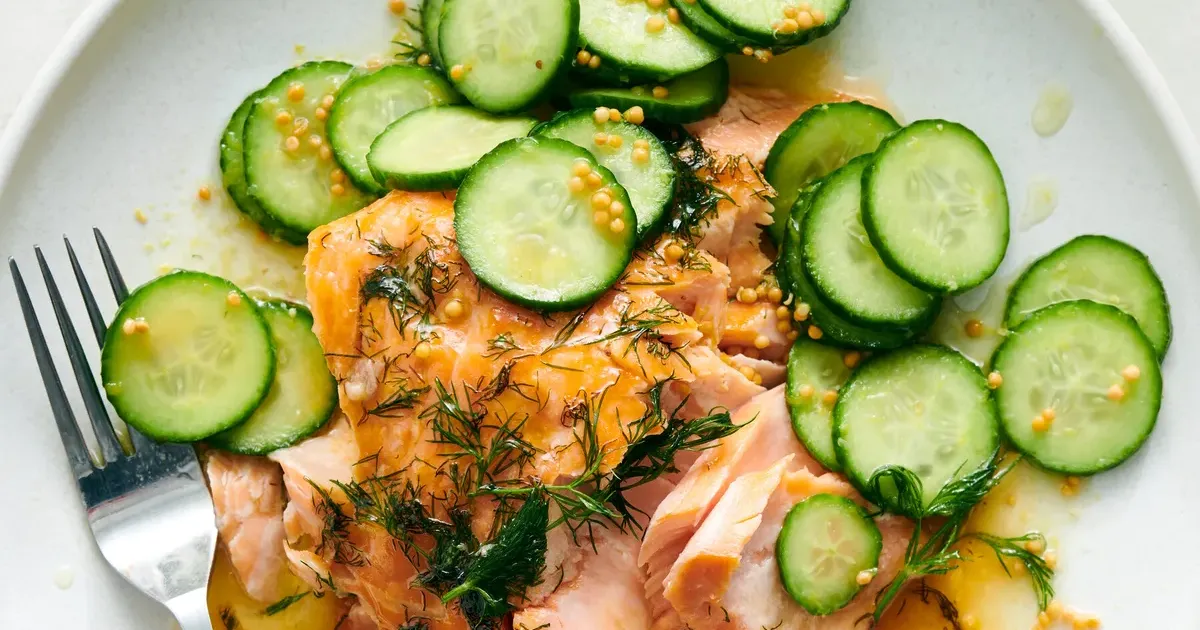
Chefs are focusing on the intersection of acidity and fat to define the current palate. Salmon paired with lemon butter has emerged as a primary driver of seafood sales this month. Fat content in spring salmon varieties requires the sharp counterpoint of citrus to maintain a balanced mouthfeel. Many consumers are opting for wild caught selections that offer a leaner profile than their farm raised counterparts. Retailers have responded by increasing the visibility of fresh dill and citrus fruits in seafood aisles to enable these specific preparation methods.
Salmon and Asparagus Lead Main Course Trends
Asparagus sales have climbed by 30 percent since the first week of March as domestic crops hit the market. While traditional preparation often involves simple roasting with olive oil, a new trend incorporates furikake to add depth and umami. According to NYT Food, the Japanese seasoning blend offers a savory crunch that complements the earthy bitterness of the stalks. Many home cooks are discovering that the seaweed and sesame components in furikake bridge the gap between Western vegetable preparation and East Asian flavor profiles. This specific combination has moved from niche food blogs to mainstream kitchen rotations within a single season.
Salmon remains the centerpiece of the seasonal shift due to its versatility and perceived health benefits. High concentrations of omega-3 fatty acids in the fish provide a dense nutrient profile that appeals to health-conscious demographics. Preparation techniques have shifted toward pan-searing to achieve a crisp skin while maintaining a tender interior. The integration of lemon butter adds a classic French element that stabilizes the dish for a wide variety of wine pairings. Local fishmongers in London and New York report that salmon inventory is moving at twice the rate of white fish like cod or halibut this month.
Salmon combined with lemon butter provides a profile that balances acidity and fat during the transitional months.
Farmers in the Imperial Valley report that the 2026 asparagus crop is particularly strong due to mild winter temperatures. Prices have stabilized at roughly $4.50 per pound in urban markets, making it an accessible luxury for most middle-class households. Quality varies greatly based on the diameter of the stalks, with thinner varieties preferred for quick sautés and thicker ones reserved for grilling. Most distributors are focusing on overnight shipping to ensure that the sugar content in the stalks does not turn to starch before reaching the consumer.
Chicken with Spring Vegetables Gains Popularity
Poultry remains the most reliable anchor for seasonal menus regardless of fluctuating market prices. Chicken thighs and breasts are being paired with an array of peas, radishes, and leeks to create one-pan meals that minimize cleanup. The shift toward spring vegetables in poultry dishes is a departure from the heavy cream sauces used during the winter. Chefs are instead utilizing light broths or simple pan juices to highlight the natural sweetness of young vegetables. This approach preserves the integrity of the produce while providing a satisfying protein base.
Market research suggests that the convenience of one-pan spring chicken recipes is driving a major portion of mid-week grocery spending. Families are looking for meals that can be prepared in under forty minutes without sacrificing the aesthetic of a fresh, seasonal dinner. The inclusion of baby carrots and snap peas adds a visual vibrancy that consumers find psychologically rewarding after months of brown and beige comfort foods. Retailers are bundling these ingredients in the produce section to capitalize on this specific consumer behavior. Our earlier reporting on modern spring recipes covered comparable developments.
Inventory levels for organic chicken have seen a slight tightening as demand outpaces the current growth cycle of many boutique poultry farms. Still, the availability of conventional poultry remains high, preventing a major price spike for the average shopper.
Strawberry and Lemon Cakes Define Dessert Menus
Dessert trends are moving away from the dense chocolate and spice profiles of winter toward fruit-forward confections. Data from The Kitchn identifies ten specific cake varieties that have dominated social media and recipe searches this month. Strawberry, lemon, and carrot cakes lead the pack as the most searched terms for weekend baking projects. The return of fresh berries to supermarket shelves has triggered a renewed interest in shortcakes and layered sponge cakes. Home bakers are focusing on recipes that use natural fruit juices and zest to provide authentic flavor rather than relying on artificial extracts.
Strawberry cakes are particularly popular among younger demographics who value the aesthetic appeal of pink-hued frostings and fresh garnishes. The availability of greenhouse-grown berries has extended the strawberry season, allowing for high-quality fruit to appear in kitchens well before the traditional June peak. By contrast, lemon cakes appeal to a broader age range due to their tartness and ability to cleanse the palate after a meal. Many of these recipes utilize cream cheese or yogurt to ensure a moist crumb without the heaviness of traditional buttercream. Carrot cake is still a perennial favorite, though modern iterations are leaning toward less sugar and more spices like ginger and cardamom.
Lemon cream cheese dump cakes have become a viral sensation for their minimal effort and high flavor yield.
Seasonal Produce Supply Chain and Market Impact
Retail logistics for spring produce involve a complex web of temperature-controlled shipping and rapid inventory turnover. Because items like strawberries and asparagus have a short shelf life, any delay in the supply chain can result in significant financial loss for wholesalers. International shipping costs for citrus from Spain and Italy have remained stable, providing a consistent supply of lemons for the North American and British markets. But the reliance on domestic greens means that local weather patterns in places like the Salinas Valley dictate the weekly price of a salad.
Consumer confidence in seasonal eating is strengthened by the increasing transparency of the food supply chain. Many shoppers now track the origin of their produce through QR codes on packaging, which provide information on the farm and harvest date. The level of detail encourages the purchase of spring vegetables by verifying their freshness and local status. Farmers markets are also seeing record attendance as people seek out heirloom varieties of radishes and greens that are rarely found in large national grocery chains. The economic impact of this hyper-local sourcing is significant for small-scale agricultural operations.
Freshness is the primary currency of the March kitchen. To that end, the rapid transition from winter stocks to spring harvests is an essential component of the modern food economy. Each new ingredient that reaches the shelf triggers a cascade of consumer spending on complementary items like oils, vinegars, and specific seasonings. The current focus on salmon, asparagus, and fruit-based desserts is a clear indicator of a market that is ready to leave the dormancy of winter behind.
The Elite Tribune Perspective
Is the current obsession with seasonal cooking a genuine culinary awakening or merely a well-orchestrated marketing triumph? Each March, the food industry performs a synchronized pivot, convincing the public that a lemon is suddenly more relevant than a potato. The cyclical manipulation of the palate serves the interests of large-scale distributors who need to clear out winter inventories and justify the premium pricing of early spring harvests. While food critics celebrate the brightness of a spring pea, they rarely mention the carbon footprint of flying that pea across three continents to satisfy a consumer's desire for the avant-garde.
We are told that eating with the seasons is a return to our roots, yet the modern spring menu is a hyper-engineered product of global logistics and greenhouse technology. The industry demands we feel a specific joy at the sight of a strawberry in March, regardless of its often watery, out-of-season flavor profile. True seasonal eating would require a patience that the modern consumer does not possess. Instead, we settle for a selected simulation of spring, sold to us in the form of lemon butter salmon and furikake-dusted stalks.
It is a performance of freshness that masks the mechanical reality of the global food engine.