Bon Appétit and Epicurious released a collaborative analysis on March 25, 2026, regarding the explosive popularity of the viral Bone Broth Soup recipe. Leading food journalists highlight how the Wellness Industry has pivoted from restrictive liquid cleanses toward more satiating, protein-heavy alternatives. Consumers are increasingly searching for ways to integrate high-protein liquids into their daily routines without sacrificing the sensation of eating a solid meal.
Home cooks began sharing variations of this quick-prep method across digital platforms earlier this month. However, the trend reached a critical mass as professional test kitchens verified the 10-minute preparation time. Unlike traditional stocks that require a full day of simmering, this approach leverages high-quality pre-packaged bases to deliver immediate results.
Industry analysts suggest this indicates a broader rejection of the juice-cleanse era.
Bone Broth Soup gained its current status by promising a high-protein profile that supports metabolic health. Nutritionists argue that the primary appeal of the liquid lies in its high collagen content and easily digestible proteins. Proponents of specialized diets have long championed the liquid for its supposed benefits to gut health. In fact, a 250ml serving of standard beef bone broth contains approximately 6 to 10 grams of protein, primarily in the form of gelatin and amino acids like glycine.
Bone Broth Soup Nutritional Composition Analysis
According to Bon Appétit, the liquid alone fails to meet the caloric requirements of a standard adult meal. Their editorial team suggests that treating broth as a primary food source is a misunderstanding of its culinary purpose.
"Yes, bone broth is nutritious. No, it will not keep you full."
Bone broth provides essential micronutrients, yet it often leaves consumers hungry within two hours. This lack of satiety led developers to create the current viral variation that includes fiber and fats.
Producers of premium broths have seen a corresponding surge in sales as the recipe spreads. Retailers report that consumers are no longer buying broth for sipping alone, but are instead pairing it with hearty greens and grains. Markets for liquid protein bases are expected to grow by 12% annually if these consumption patterns hold. The shift indicates a move away from the deprivation-based marketing that defined the 2010s-era liquid cleanse.
Rapid Cooking Techniques for Bone Broth Soup
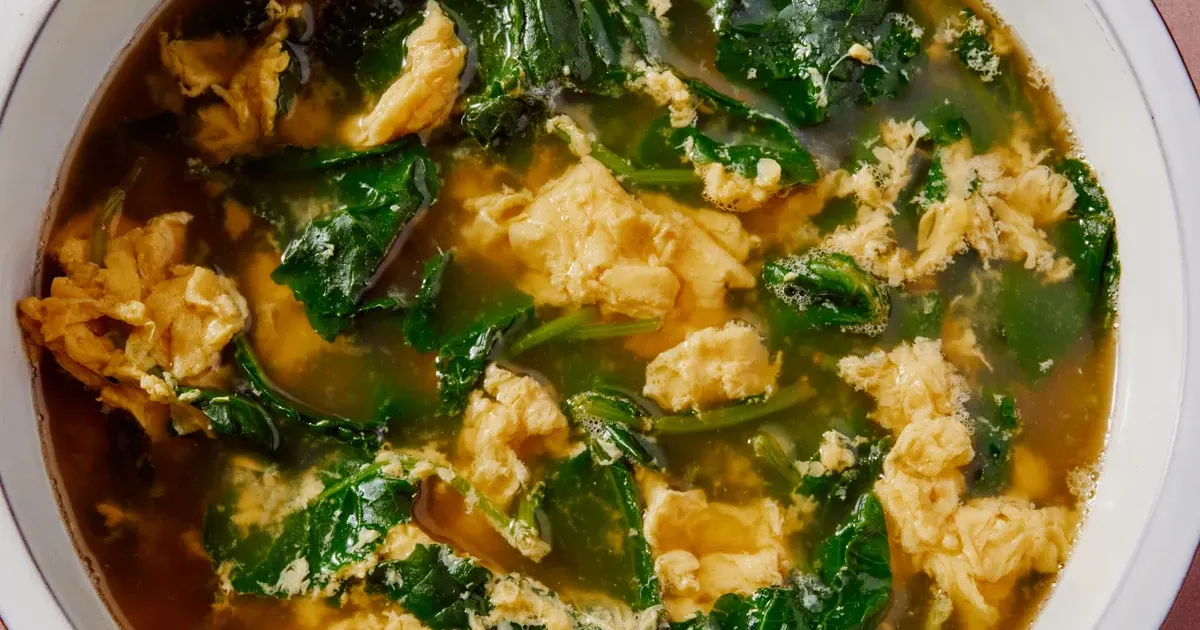
Meanwhile, the specific mechanics of the viral 10-minute method center on the stracciatella technique. This Italian-inspired approach involves drizzling whisked eggs into boiling liquid to create silken threads of protein. It effectively triples the protein content of a standard bowl of broth in under 60 seconds. Cooks find that the rapid coagulation of the egg white provides a texture that mimics noodles without the heavy carbohydrate load.
The flip side: traditional egg drop recipes often rely on cornstarch slurries to thicken the base. The viral version omits these starches in favor of a thinner, more savory profile that highlights the ginger and garlic. Experts recommend using a steady, circular motion while pouring the eggs to ensure they do not clump at the bottom of the pot. Achieving the correct ribbon texture requires the broth to be at a rolling boil before any egg touches the liquid.
Adding fresh aromatics like ginger serves a dual purpose of enhancing flavor and aiding digestion. Ginger contains gingerol, a compound known for its anti-inflammatory properties, which complements the supposed benefits of the bone broth itself. Recipe testers suggest grating the ginger directly into the pot to release the juices more effectively than mincing. The heat of the ginger cuts through the richness of the animal fats present in the stock.
Kale has become the standard vegetable addition for this viral trend due to its structural integrity. Unlike spinach, which wilts into a soft mass almost instantly, kale retains a slight crunch even when submerged in hot broth. To meet the 10-minute timeframe, many cooks use pre-washed baby kale that requires no chopping or stem removal. The inclusion of these greens adds essential Vitamin K and magnesium to the nutritional profile.
Economics of the Bone Broth Soup Trend
Bread acts as the structural foundation for the dish. Serving the soup with a side of sourdough toast provides the complex carbohydrates necessary to trigger satiety hormones in the brain. For many, the inclusion of bread is what separates this preparation from a medicalized diet drink. It transforms a simple liquid into a functional meal that can sustain a worker through a standard afternoon.
And yet, the cost of these premium ingredients is creating a divide in the market. High-quality bone broth often retails for three times the price of standard vegetable or chicken stock. Artisanal brands that focus on grass-fed bones and long-simmer periods command a real price premium in urban centers. Consumers are willing to pay these prices for the convenience of the 10-minute preparation time, effectively outsourcing the 24-hour simmering process to industrial manufacturers.
High-quality stock production requires extensive amounts of raw animal material and energy. This creates a floor for how low the price can realistically drop without compromising the gelatin content. Still, some budget-conscious home cooks are beginning to experiment with strengthening cheaper stocks with plain gelatin powder. It allows for a similar texture and protein boost at a fraction of the cost of premium shelf-stable bone broth.
Market data indicates that the global bone broth market surpassed $1.1 billion in 2025. Growth in the sector is driven by a consumer base that focuses on "clean labels" and minimal ingredients. Successful brands are those that can prove their sourcing methods through third-party certifications. Most buyers look for low-sodium options to maintain control over the final seasoning of their home-cooked soups.
Success for the viral recipe also depends on the quality of the eggs used in the stracciatella stage. Pasture-raised eggs with vibrant orange yolks are frequently featured in social media demonstrations to enhance visual appeal. The contrast between the deep green kale, the yellow egg ribbons, and the golden broth creates a highly aesthetic presentation. Food stylists emphasize that the visual component is just as important as the nutritional data for driving digital engagement.
The Elite Tribune Perspective
Wellness culture is a machine that rebrands poverty food as luxury performance fuel. Bone broth is effectively what our ancestors made when they could not afford meat, using every scrap to survive. Now, digital platforms are teaching us how to add an egg to it as if it were a revolutionary breakthrough. Why are we so desperate for "hacks" that we have forgotten how to cook a basic soup? The obsession with the 10-minute timeframe reveals a society that hates the process of nourishment but loves the aesthetic of health.
We are paying a premium for a carton of water that was boiled with a carcass, then congratulating ourselves for "hacking" our satiety with a piece of toast. It is not a culinary movement; it is a symptom of a consumer base that has lost its connection to the stove. Real bone broth takes twelve hours, not ten minutes. Anything else is just salty tea with an egg in it.