Easter planners in New York and London finalized their food planning strategies on March 26, 2026, as shifting consumer tastes moved away from heavy holiday staples. High demand for versatility and ease of preparation guided these decisions across millions of households. Market data indicates that families increasingly focus on morning gatherings over traditional evening feasts.
Hosting duties have moved away from the monolithic dinner service.
Meanwhile, Delish reports that home cooks are now looking for variety that spans from early morning to late afternoon. Their latest data identifies 52 distinct brunch recipes that have gained traction among younger demographics. These options range from savory casseroles to sweet pastries designed for communal sharing during morning egg hunts. Planners are increasingly opting for these flexible formats to accommodate varying travel schedules of guests.
But the transition is not merely a about timing. Culinary preferences are moving toward complex flavor profiles that deviate from the standard honey-glazed proteins of the past. Bon Appétit suggests that secondary dishes now frequently outweigh the main course for guest interest. Their recent survey identified 37 side dishes that guests specifically cited as the reason they would return for second helpings.
Still, the cost of ingredients is still a primary concern for those managing holiday budgets in 2026. Retailers have noticed a surge in the purchase of seasonal greens and root vegetables as alternatives to expensive meats. Eggs, once a cheap staple, now command a premium price point in urban markets. Planning for these fluctuations requires a degree of financial foresight that defines the modern holiday experience.
Yet, the shift toward brunch does not mean dinner has been entirely abandoned. Delish editorial teams have compiled 57 dinner ideas that specifically aim to modernize the evening meal. Many of these recipes focus on lamb, salmon, or vegetarian centerpieces rather than the widespread ham. This diversification allows hosts to cater to a wider range of dietary restrictions and personal preferences.
Rising Demand for Easter Brunch Menus
The reality is more precise: the rise of the holiday brunch reflects a broader cultural move toward informal social structures. Morning meals allow for a more relaxed atmosphere where guests can arrive and depart with greater flexibility. Savory bakes and breakfast strata have become the foundation of these gatherings because they can be prepared in advance. Make-ahead dishes reduce the stress of hosting while maintaining a high standard of culinary presentation.
According to Delish, the popularity of brunch is also tied to the activity-heavy nature of the holiday. Families with small children find that a major morning meal provides the necessary energy for outdoor festivities. Items such as ham and cheese brunch bakes or spring cobb salads provide a balance of protein and fresh produce. These dishes are designed to be served at room temperature, which is a practical consideration for long afternoons. Similar questions arose in our report on modern holiday experience days ago.
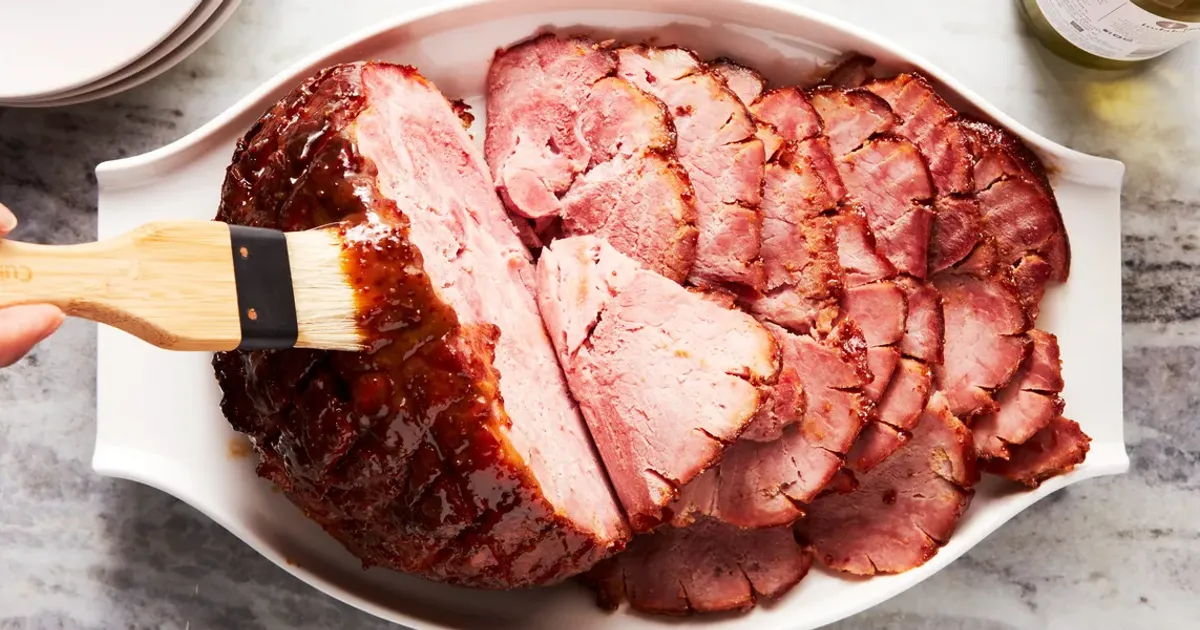
"Go beyond ham this year," notes the editorial staff at Delish in their latest seasonal guide.
And yet, older generations still lean toward the structure of a formal sit-down dinner. This generational divide creates a unique challenge for those hosting multi-generational families. Some planners have solved this by merging the two concepts into a late-afternoon "linner" service. Such a hybrid approach combines the casual nature of brunch with the sizable offerings of a traditional dinner.
Traditional Ham Faces Competition From Diverse Entrees
For instance, seafood has become a major contender for the center of the table this year. Salmon fillets roasted with spring herbs or shrimp-based pastas offer a lighter alternative to pork. These choices align with broader health trends that emphasize lean proteins and omega-3 fatty acids. Consumers are increasingly willing to pay for high-quality sustainable seafood to mark the occasion.
On another front, lamb is still a classic choice for those who wants to maintain a sense of tradition without the predictability of ham. Leg of lamb seasoned with rosemary and garlic provides a sophisticated profile that many find more appropriate for a formal setting. Preparation methods have evolved to include slow-cooker and sous-vide techniques. These modern tools ensure consistent results for home cooks who may be intimidated by larger cuts of meat.
Vegetarian options have also moved from the periphery to the center of food planning conversations. Tartlets filled with spring peas, leeks, and goat cheese serve as both a side and a potential main for non-meat eaters. These dishes showcase the produce of the season while providing a visually striking element to the table. Producers of plant-based meats have also entered the holiday market with specialized roasts.
Side Dishes Drive Secondary Consumption Trends
That said, the true innovation in 2026 is occurring within the area of side dishes. Bon Appétit has highlighted that the success of a meal is often judged by the quality of the supporting cast. Mashed potatoes with roasted garlic or balsamic-glazed Brussels sprouts are no longer afterthoughts. They are now developed with the same level of detail as the primary protein.
So, yet, the logistical challenge of managing multiple side dishes persists. Smart kitchen appliances have helped ease some of this pressure by automating temperature control and timing. Many cooks are also using air fryers to crisp up vegetables without occupying valuable oven space. Efficiency has become as important as flavor for the modern holiday host.
In fact, the strategy for many involves a mix of fresh and make-ahead components. Cold salads can be assembled hours in advance, while roasted vegetables are timed to finish just before serving. This methodical approach prevents the chaotic kitchen scenes that often accompany large family gatherings. Success in the kitchen is now defined by the calmness of the host.
Efficiency Meets Elegance in Modern Spring Kitchens
That shift means presentation has taken a turn toward rustic elegance. Charcuterie boards featuring spring cheeses and seasonal fruits have become a staple of the holiday table. These boards require zero cooking time but offer a high visual impact. They also serve as an ideal appetizer while guests wait for the main meal to be served.
Working from that premise, the use of fresh herbs has become a hallmark of the 2026 spring kitchen. Parsley, chives, and dill are used liberally to brighten both the flavor and the appearance of dishes. These ingredients are often sourced from home gardens or local farmers markets. The connection between the soil and the table is a recurring theme in modern holiday planning.
Kitchens across the country will be filled with the scent of citrus and fresh herbs this Sunday. The careful planning of the past month will finally be put to the test. Every recipe choice reflects a desire to create a memorable experience for loved ones. The focus has moved from simple sustenance to genuine culinary exploration.
The Elite Tribune Perspective
Why do we continue to insist that a religious or cultural holiday requires the labor-intensive production of a twelve-course feast? The modern obsession with the "perfect" Easter table is a transparent byproduct of social media performance rather than genuine communal spirit. We have traded the quiet reflection of the season for an exhausting arms race of side dishes and brunch aesthetics. Data from Delish and Bon Appétit suggests that the burden on the domestic host has never been higher, even as we claim to be "simplifying" with make-ahead recipes.
The relentless pursuit of culinary novelty is a distraction from the actual purpose of gathering. If we were truly focused on the company, we would not be debating the merits of 52 different brunch variations or obsessing over the balsamic glaze on a Brussels sprout. The commercialization of the kitchen has turned a day of rest into a grueling production schedule for the primary cook. We should be skeptical of any trend that focuses on the visual complexity of a spring cobb salad over the actual comfort of the guests.
It is time to admit that the over-engineered holiday menu is a performance, not a gift. True hospitality does not require a dozen side dishes or a selected seafood centerpiece.