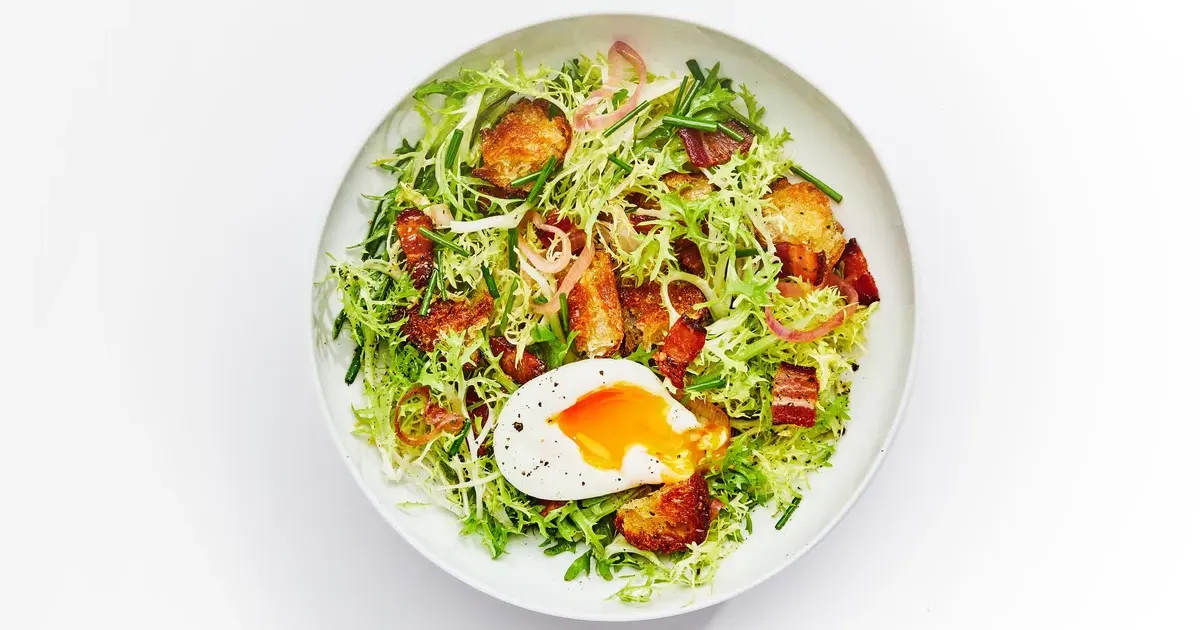
Culinary Professionals in high-performance kitchens across the United States finalized a shift in standard operating procedures on March 27, 2026, by focusing on vinegar-free poaching to ensure egg structural integrity. Vinegar, long considered a staple for coagulating egg whites, has fallen out of favor due to its tendency to toughen the outer membrane of the yolk and impart a metallic tang. Modern research into food chemistry suggests that the acetic acid in vinegar accelerates protein denaturation too aggressively for delicate preparations. Results often include a rubbery exterior that masks the natural creaminess of a high-quality yolk.
Straining the egg before it ever touches the water has become the primary solution for the unsightly wisps of white that vinegar was meant to contain. Every egg contains two types of albumin, which are the thick white and the thin, watery white. In fact, the watery portion is responsible for the chaotic, feathered appearance often seen in domestic kitchens. By removing this liquid through a fine-mesh sieve, a cook retains only the sturdy, viscous portion of the white that clings naturally to the yolk.
Freshness remains the most critical variable in this chemical equation.
Chemical Impact of Acid on Egg Protein
Egg protein consists of various molecules including ovomucin, which provides the structural framework for the thick white. As an egg ages, the pH level rises from approximately 7.6 to as high as 9.2, causing the ovomucin to break down and the white to become watery. USDA Grade AA eggs are defined by a high proportion of thick white, making them the only viable choice for the vinegar-free method. Using older eggs without an acidic trigger typically results in a total loss of shape, as the weakened proteins lack the internal tension to hold together. Still, the trade-off for using fresh stock is a greatly improved flavor profile that highlights the lipids within the yolk.
Acetic acid acts as a shortcut for cooks working with subpar ingredients. For instance, the acid lowers the pH of the poaching liquid, which causes the proteins to bond more quickly. But this rapid bonding creates a tight, constricted web of protein fibers that feels coarse on the palate. By contrast, a vinegar-free poaching bath allows the proteins to set slowly, creating a texture often described as silky or velvet-like. Many diners now report a preference for this clean finish over the traditional acidic bite.
Temperature control is the second foundation of this refined technique. Maintaining water between 180 and 190 degrees Fahrenheit prevents the violent agitation of a rolling boil, which can tear a setting white apart. At this temperature, the water is shimmering rather than bubbling. And yet, many home cooks continue to use boiling water out of habit, inadvertently ruining the delicate architecture of the egg.
Mesh Strainers Replace the Vinegar Crutch
Preparation begins with a simple fine-mesh strainer placed over a small bowl. A cook cracks the egg into the strainer and allows it to sit for approximately sixty seconds. During this interval, the thin albumin drains away into the bowl below. What remains in the strainer is a tight, cohesive orb of protein. This procedure eliminates the need for the aggressive whirlpool method often taught in basic culinary schools. So, the cook can drop multiple eggs into the same pot without fear of them tangling into a singular mass of tangled whites.
"The addition of vinegar is a crutch for those working with low-quality, aged eggs," stated culinary scientist Harold McGee in a recent technical briefing for the American Egg Board.
Precision is required during the transition from strainer to water. According to professional kitchen protocols, the egg should be lowered gently into the water using a ramekin or the strainer itself. Some chefs prefer a slight agitation of the water just before entry, but the heavy vortex of the past is no longer necessary. In particular, the absence of vinegar means the water stays clear, allowing for better visual monitoring of the cooking process.
Water Temperature and the Shimmer Method
Heat transfer in a poaching bath occurs most efficiently when the water is just below a simmer. Professional thermometers should ideally read 82 degrees Celsius to 88 degrees Celsius. At the higher end of this range, the proteins set in roughly three to four minutes. Lower temperatures extend the cooking time but offer a more forgiving window for error. In turn, the slow setting of the white allows the yolk to remain perfectly fluid while the exterior reaches a safe, opaque state. That said, even a five-degree deviation from this range can result in a hard-cooked yolk or a raw, snotty white.
Salt is another frequent point of contention in the poaching debate. Some experts argue that salt increases the density of the water, which helps the egg float, while others claim it can break down the proteins prematurely. Highest-end restaurants omit salt from the water entirely, opting to season the egg only after it has been plated and patted dry. This ensures the surface of the egg remains smooth and free of the tiny pits caused by salt crystals.
Timing is measured in seconds, not minutes, once the white has turned opaque.
Sourcing Grade AA Eggs for Texture Consistency
Economic factors matter in how kitchens adopt these methods. While a dozen standard eggs may cost much less, the labor involved in trimming and fixing a poorly poached egg outweighs the initial savings. High-volume brunch establishments now secure contracts for $11 billion worth of premium poultry products annually to ensure a consistent supply of Grade AA stock. These eggs are typically less than 72 hours old when they reach the kitchen. Separately, the storage temperature of these eggs must be strictly maintained at 45 degrees Fahrenheit to prevent the natural degradation of the white.
Farmers have responded to this demand by adjusting hen diets to include more calcium and protein, which contributes to a sturdier shell and a more resilient internal structure. For one, a healthy hen produces an egg with a higher concentration of yolk-fat, which provides a natural barrier during the poaching process. Many chefs now visit local farms to inspect the flock conditions before signing supply agreements. This direct relationship ensures that the raw product is capable of withstanding the rigors of vinegar-free cooking.
Final presentation usually involves a slotted spoon and a paper towel to remove excess moisture. Water clinging to a poached egg can dilute the hollandaise sauce or sog the toast below it. By eliminating the vinegar, the cook also eliminates the need to rinse the egg in a separate water bath, which was a common step to remove the sour taste of the acid.
The Elite Tribune Perspective
Ask any line cook at a three-star establishment about vinegar and you will receive a lecture on molecular laziness. The traditional reliance on acetic acid was never about flavor; it was a desperate workaround for a food system that treated eggs as a non-perishable commodity. For decades, we accepted rubbery, sour eggs because the industry could not guarantee freshness. The transition to vinegar-free poaching is not a trend, but a reclamation of basic culinary physics. It exposes the incompetence of any chef who still reaches for the white vinegar bottle to hide the flaws of an old, watery egg.
If you cannot poach an egg without a chemical crutch, you have no business charging thirty dollars for a Benedict. The modern diner is increasingly savvy, capable of distinguishing between the delicate, creamy texture of a properly set white and the bouncy, synthetic feel of an acidified protein. We are moving toward a period where transparency in sourcing is the only thing that matters. A kitchen that requires vinegar is a kitchen that is hiding its inventory age.
The time has come to stop apologizing for poor ingredients with chemical additives and start demanding the quality that makes such tricks obsolete.