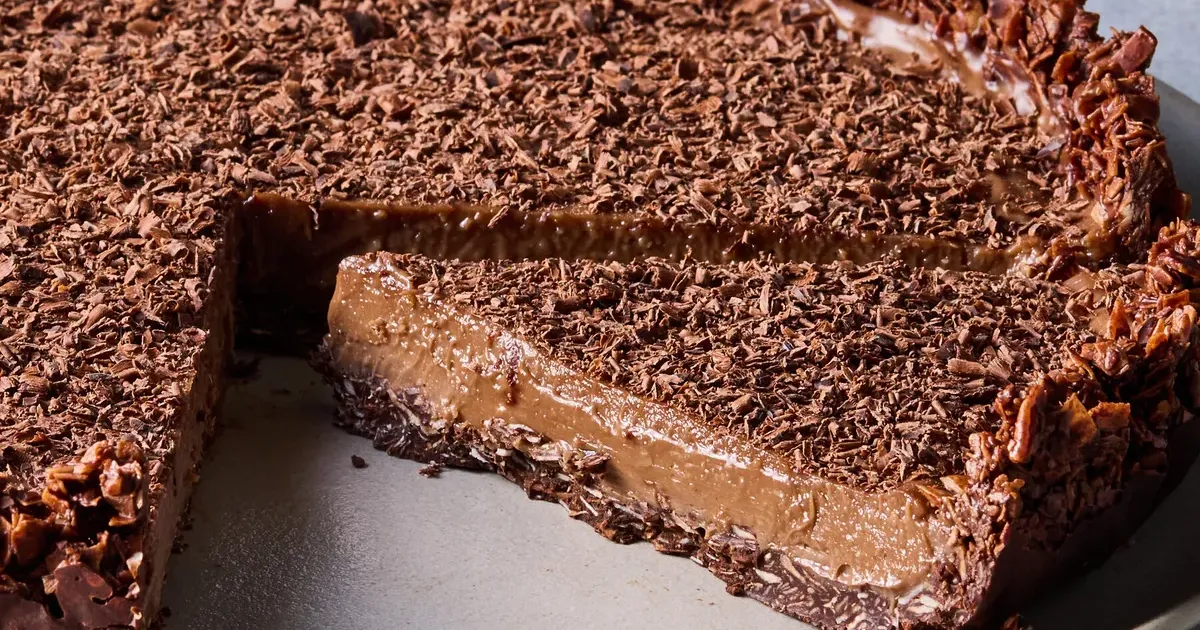
March 26, 2026, marks the peak of a culinary transformation where traditional Easter and Passover staples are meeting aggressive functional health demands. Families across the United States are currently adjusting their shopping lists to balance religious requirements with a growing interest in anti-inflammatory diets. Food industry analysts report that spring holiday spending often exceeds expectations when health-conscious options are integrated into legacy recipes. Analysts from the New York Times recently highlighted a chocolate tart that shows this shift toward elevated simplicity.
It features a press-in crust and a creamy tea-infused filling.
Bakeries in urban centers like London and New York are adopting tea-infusion techniques to add floral and earthy depth to heavy chocolate bases. This specific method reduces the reliance on synthetic flavorings, aligning with broader consumer preferences for clean labels. Earl Grey, chamomile, and matcha have become the preferred infusions for 2026 spring desserts. Culinary experts note that tea provides a sophisticated profile that cuts through the richness of dark chocolate without requiring additional sugar. Market data indicates a 12 percent rise in premium tea sales during the weeks preceding the spring equinox.
Easter Tarts and Modern Confectionary Techniques
Pastry chefs have moved away from overly complicated puff pastries toward accessible, press-in crusts that allow home cooks to replicate professional results. The New York Times food department emphasized that a simple chocolate dessert can serve as the center of an Easter celebration. Such recipes often use high-quality cocoa solids, which contain flavonoids linked to cardiovascular benefits. Cocoa prices have fluctuated greatly in the first-quarter of 2026, yet demand for holiday-specific chocolate products remains resilient. Consumers appear willing to pay a premium for ethically sourced beans that offer superior melting points and flavor complexity.
This simple chocolate dessert is perfect for Easter, offering a creamy tea-infused filling that elevates the traditional holiday menu according to culinary reports from the New York Times.
Infusion chemistry involves steeping tea leaves in warm cream before emulsifying it with chocolate. Professional kitchens use temperature-controlled baths to ensure the tea notes do not become bitter or astringent. Home bakers are following suit, using digital thermometers to achieve the exact 180-degree Fahrenheit threshold for optimal extraction. These technical refinements reflect a growing sophistication among amateur cooks who focus on texture and aromatics over decorative icing. The result is a dessert that appeals to adult palates while maintaining the indulgence expected of a holiday treat.
Passover Seder Plate Rituals Maintain Cultural Continuity
Ancient customs dictate the composition of the Passover Seder plate, which is a symbolic educational tool for the Jewish community. Each of the six items is a specific aspect of the Exodus story, ranging from the bitterness of slavery to the hope of liberation. Maror, often represented by horseradish, provides a sharp sensory experience that triggers physiological responses. Chazeret, usually romaine lettuce, adds a second layer of bitter herbs to the ritual display. Ritual endurance remains the foundation of the Jewish spring experience.
Charoset, a sweet paste made from fruits and nuts, is a symbolic representation of the mortar used by enslaved Israelites. Contemporary versions of charoset increasingly incorporate local honey and organic walnuts to enhance nutritional density. Karpas, a green vegetable like parsley or celery, is dipped in salt water to symbolize the tears of the enslaved. To that end, many families are now sourcing these vegetables from hydroponic farms to ensure year-round freshness and pesticide-free leaves. Demand for specialty Seder items has prompted major retailers to expand their kosher-for-Passover sections greatly. This rising trend in holiday grocery spending highlights how families are prioritizing brunch gatherings to navigate budget constraints.
Zeroah and Beitzah round out the plate as reminders of ancient sacrifices and the cycle of life. The roasted bone, or zeroah, is a visual proxy for the paschal lamb sacrifice, while the hard-boiled egg represents mourning and renewal. Modern Seders frequently include discussions about the sustainability of these ingredients, leading to a rise in organic egg sales. Data from the $14 billion kosher food market shows that consumers are focusing on traceability even during ritualistic observance. These items must meet strict rabbinical standards while satisfying modern environmental concerns.
Functional Spring Foods Address Seasonal Allergy Symptoms
Scientific research suggests that specific dietary choices can reduce the impact of seasonal allergies as pollen counts rise across the Northern Hemisphere. Broccoli and citrus fruits are high in Quercetin and Vitamin C, which act as natural antihistamines. Nutritionists recommend increasing the intake of these foods during late March to stabilize mast cells before the peak of the allergy season. Leafy greens and cruciferous vegetables provide the necessary micronutrients to strengthen the immune system against environmental irritants. Many families are substituting traditional holiday side dishes with these functional alternatives to manage hay fever symptoms.
Stinging nettle tea and local honey are also gaining traction as supplemental treatments for respiratory discomfort. While clinical evidence on local honey remains mixed, the placebo effect and the presence of trace pollen continue to drive consumer interest. Meanwhile, the inclusion of omega-3 fatty acids from walnuts and flaxseeds helps reduce systemic inflammation. These dietary adjustments represent a shift toward preventive healthcare through the pantry rather than the pharmacy. Grocery chains report a notable uptick in the sales of pineapple, which contains bromelain, an enzyme known for reducing nasal swelling.
But dietary changes alone cannot fully eliminate the allergic response for individuals with severe sensitivities. Environmental factors, including unseasonably warm temperatures in early 2026, have led to earlier and more intense pollination cycles. To that end, the integration of allergy-fighting foods into holiday menus serves a dual purpose of celebration and symptom management. Strawberries and kiwis are frequently added to Easter fruit salads for their high antioxidant content. These choices reflect a broad approach to seasonal transitions that focuses on physical well-being alongside traditional festivities.
Economic Shifts in Holiday Grocery Spending Patterns
Rising logistics costs have impacted the pricing of imported spring produce across North America and Europe. Logistics firms report that fuel surcharges and labor shortages in the trucking sector have added approximately 8 percent to the shelf price of spring vegetables. Still, the volume of holiday grocery transactions remains high as families focus on social gatherings after years of restricted travel. Small-scale farmers are capturing a larger share of this market by offering direct-to-consumer holiday boxes. These selections often include the specific herbs and vegetables required for both Easter and Passover menus.
Premiumization continues to be a dominant trend in the confectionery sector despite inflationary pressures on raw materials. Consumers are buying smaller quantities of high-end chocolate rather than bulk bags of discount candies. This behavior is particularly evident in the sales of tea-infused truffles and dark chocolate bunnies. Retailers are responding by highlighting the craftsmanship and origin of their products through detailed labeling. The move toward artisanal quality suggests that the holiday food market is becoming more discerning and less focused on pure volume.
Agricultural production in California and Florida has stabilized after erratic weather patterns in early January. This stability has ensured a steady supply of citrus and greens for the March holiday rush. Wholesale prices for romaine lettuce and parsley have actually decreased by 4 percent compared to the same period in 2025. By contrast, the price of eggs has remained elevated due to ongoing avian flu concerns and stricter cage-free legislation. These economic variables force households to make strategic trade-offs when planning their spring celebrations.
The Elite Tribune Perspective
Should we view the modern obsession with functional holiday food as a genuine health revolution or merely the latest manifestation of culinary narcissism? The tradition of the spring feast was once defined by communal endurance and religious austerity, yet it has been subsumed by a secular drive for bio-optimization. We see the Passover Seder plate and the Easter tart not as symbols of faith, but as opportunities to showcase one's adherence to the latest anti-inflammatory dictates. There is something hollow about a ritual that focuses on quercetin levels over historical remembrance.
When we infuse our chocolate with tea to avoid synthetic flavorings, we are not just eating better; we are performing an identity of middle-class virtue. The commercialization of these holidays has reached a point where the spiritual significance is an afterthought to the aesthetic and nutritional profile of the meal. If the goal of a spring menu is now to beat seasonal allergies, we have effectively turned a sacred calendar into a pharmacy ledger. The trend suggests that our society is increasingly incapable of finding meaning in tradition unless it is validated by a nutrition label or a lifestyle blog.
True cultural continuity requires not merely organic parsley and ethically sourced cocoa.