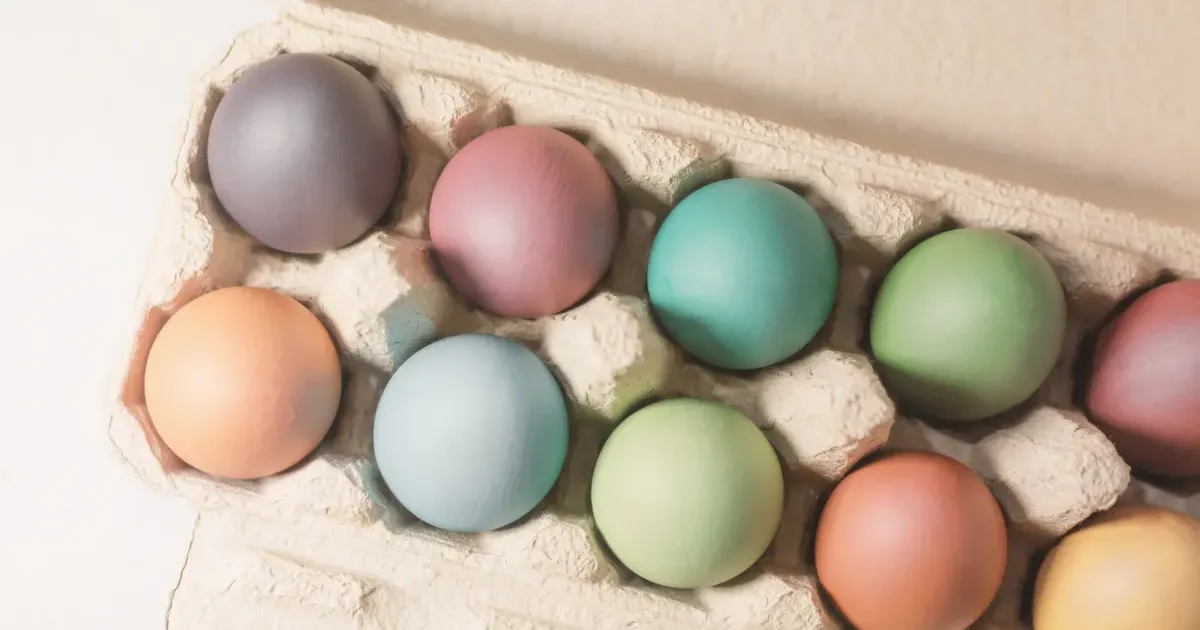
March 28, 2026, finds households across the United States and United Kingdom abandoning synthetic food coloring for plant-based alternatives during Easter egg preparation. Home cooks increasingly reject the neon vibrancy of store-bought kits in favor of the muted, organic tones derived from kitchen scraps. This movement away from industrial chemical baths aligns with a broader consumer shift toward ingredient transparency. Markets report a 14 percent increase in the sale of white eggs and specific produce items compared to the same period last year.
Onion skins provide the most reliable entry point for those seeking a natural palette. Simmering the dry, papery skins of yellow onions creates a liquid that yields deep gold or burnt orange hues. Red onion skins produce a darker, russet red that mimics traditional clay dyes. Proponents of this method often secure the skins around the eggs using nylon stockings to create marbled patterns before boiling them in the pigment. The process requires patience rather than the instant gratification of a fizzy tablet.
Red cabbage offers perhaps the most surprising chemical reaction in the kitchen. Despite its deep purple leaves, a concentrated cabbage boil turns white eggshells a vivid robin egg blue. Adding a teaspoon of baking soda to this mixture shifts the pH level and alters the resulting color toward a teal or green spectrum. Turmeric remains the primary source for bright yellow, though it stains wooden spoons and countertops with aggressive permanence. Most recipes demand a vinegar driver to etch the calcium carbonate of the shell and allow the organic particles to bond.
Natural Pigments and Chemical Reactions in the Kitchen
Vinegar is the essential mordant in the natural dyeing process. Without this acidic intervention, plant pigments often slide off the smooth surface of the egg once it dries. Experts at The Takeout suggest that a ratio of one tablespoon of white vinegar per cup of strained dye liquid ensures color fastness. Boiling the eggs directly in the dye results in more intense saturation, whereas soaking pre-boiled eggs in cold dye creates delicate pastels. The latter method preserves the structural integrity of the whites for those planning to consume the eggs later.
Beets offer a range of pinks and soft reds, though the color often remains on the surface rather than penetrating the shell deeply. Some enthusiasts have experimented with coffee and black tea to achieve earthy browns and sepias. These shades provide a neutral backdrop that highlights the complex textures of the eggshell itself. Spinach and parsley are frequently cited for green hues, but they often require several hours of cold soaking to achieve even a faint tint. This lack of efficiency often leads home cooks back to the reliability of turmeric and cabbage.
Simmering raw materials for at least 30 minutes allows the cellular walls of the vegetables to break down and release their hidden pigments. Straining the liquid through a fine-mesh sieve or cheesecloth prevents sediment from creating blotches on the shell. Retailers have noticed that consumers are purchasing larger quantities of organic produce specifically for these craft purposes. Grocery chains in urban centers now stock 2.4 million additional units of red cabbage during the fortnight preceding the holiday.
Sophisticated Dessert Menus Surpass Traditional Marshmallow Treats
Baking trends for 2026 indicate a sharp departure from the sugar-heavy confections of previous decades. While marshmallow chicks once dominated the seasonal landscape, modern hosts now favor complex textures and less abrasive sweetness. Delish has identified 51 different dessert recipes that move beyond the limitations of processed candy. These options include lemon-lavender tarts, carrot cake cheesecakes, and salt-flecked chocolate nests. The transition suggests an audience that values culinary technique over nostalgia.
The move toward natural dyeing and sophisticated baking reflects a desire for a more intentional holiday experience that prioritizes quality over convenience.
Artisanal cheesecake bars have become a primary substitute for pre-packaged treats. These bars often incorporate seasonal fruits or floral infusions like elderflower and hibiscus. Incorporating zest and fresh juices provides a tart counterpoint to the rich cream cheese base. Bakers often use crushed ginger snaps or digestive biscuits to create a crust that offers more structural variety than a standard graham cracker. Individual portions allow for easier distribution at large family gatherings.
Candy manufacturers are struggling to maintain relevance in this shifting environment. Sales of traditional marshmallow Peeps have plateaued in several key demographics as parents seek snacks with fewer artificial preservatives. Many families now choose to use these iconic candies merely as decorative elements rather than central components of the meal. Dark chocolate truffles and fruit-based sorbets are increasingly common on the holiday table. High-quality cocoa solids provide a bitterness that balances the sweetness of the spring season.
Sourcing Quality Ingredients for Seasonal Holiday Baking
Supply chains for eggs and dairy feel the pressure of these heightened culinary ambitions. Specialty grocers report that pasture-raised eggs with dark, sturdy shells are in high demand for their superior yolk color in baking. Flour mills have also seen a spike in requests for ultra-fine cake flour and ancient grains like spelt or emmer. These ingredients provide a distinct nuttiness to traditional Easter breads and buns. The cost of a premium Easter meal has risen by $11 billion globally when accounting for these high-end substitutions.
Retail data confirms that shoppers are spending more time in the produce and dairy aisles than in the seasonal candy section. This behavioral change forces supermarkets to rethink their floor plans during the spring. Fresh berries, citrus, and heavy cream occupy prime real estate previously reserved for bagged jelly beans. Home cooks often spend several days preparing components of the dessert menu to ensure peak freshness. Curds and compotes are frequently made 48 hours in advance.
Technique has replaced convenience as the primary goal.
Still, the logistical challenge of preparing a multi-course holiday meal remains marked for most households. Coordinating the cooling times for natural dyes with the baking schedule of a tiered cake requires careful planning. Many hosts have turned to digital checklists and prep-ahead strategies to manage the workload. Regional variations also dictate the menu, with coastal residents favoring lighter, citrus-heavy dishes and inland families sticking to denser, spiced cakes. The availability of local ingredients continues to drive these regional preferences.
The Elite Tribune Perspective
Obsessing over the molecular weight of red cabbage dye or the crumb structure of a lavender-infused tart is not merely a hobby. It is a performative rejection of the industrial food system that has defined the American holiday for a century. The frantic pivot toward the natural and the artisanal often masks a deep anxiety about modern toxicity and a desperate need for authentic experience. We have traded the simplicity of a ten-cent vinegar tablet for hours of labor over simmering onion skins, all to achieve a color that nature provides for free.
While the aesthetic results are clearly superior to the neon catastrophes of the 1990s, one must wonder if we are simply replacing one form of consumerism with another more expensive and time-consuming version. The middle class now spends billions to emulate a pre-industrial aesthetic that their ancestors worked tirelessly to escape. These elaborate food preparations serve as social signals of both disposable time and high-functioning domesticity. If your Easter egg doesn't look like an artifact pulled from a Victorian museum, you have failed the 2026 standard.
The movement is less about the egg and more about the ego of the person holding the whisk.