March 27, 2026, marks a serious shift in how Dutch Bros and Taco Bell engage with a digital-first consumer base seeking both exclusivity and accessibility. Industry leaders moved to decentralize product development by encouraging home replication of proprietary recipes and allowing customers to vote on upcoming menu items. Financial analysts observe that these tactics reduce research and development costs while increasing brand loyalty through perceived democratic participation. Traditional marketing models focused on polished corporate messaging are giving way to raw, user-generated content that emphasizes authenticity over production value.
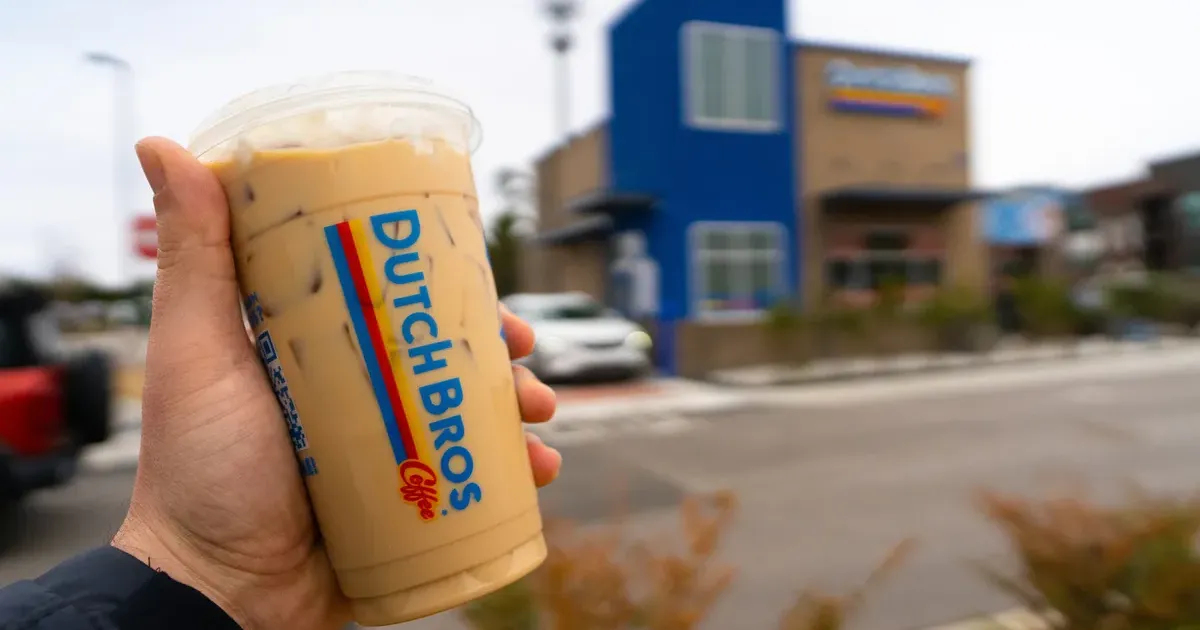
Dutch Bros recently saw a surge in consumer-led interest regarding its proprietary beverage formulations. Enthusiasts discovered that recreating the Golden Eagle requires specific components available in most high-end grocery stores. This drink relies on a precise combination of espresso, half-and-half, vanilla syrup, and caramel sauce. Baristas at various locations note that the demands for this specific profile have not waned despite the ease of home replication. Sales figures suggest that customers focus on convenience and the social experience of the drive-thru despite having the knowledge to brew identical beverages in their own kitchens.
But the accessibility of these recipes does not diminish the brand value for the Oregon-based coffee chain. Home brewers often use the DIY approach as a gateway to the brand rather than a replacement for it. Experts in consumer behavior suggest that mastering a signature drink at home builds a deeper psychological connection with the commercial entity. Publicly available guides now detail every step of the process, from the initial espresso pull to the final caramel drizzle. The reliance on Bold, rich flavors remains the central foundation of the company's identity.
Dutch Bros Coffee Recipe Components
Coffee enthusiasts find that the secret to the specific mouthfeel of the Golden Eagle lies in the use of breve, which is a mixture of espresso and half-and-half. Traditional lattes use whole or 2% milk, but the Dutch Bros signature profile requires the higher fat content of cream to balance the sweetness of the syrups. Vanilla and caramel provide the primary flavor notes, while the addition of a caramel drizzle on top provides a visual and textural contrast. Most home versions recommend using a high-quality espresso machine to achieve the necessary pressure for a concentrated base.
And the simplicity of the ingredient list is an entry point for amateur baristas. Some consumers have reported that they prefer the ability to control the sugar content when making the drink at home. Still, the consistency of the commercial product is still a major draw for the morning commute crowd. Dutch Bros maintains a fleet of thousands of kiosks across the United States, positioning itself as a staple of Western American coffee culture. Every unit follows a strict protocol to ensure that a drink ordered in Arizona tastes identical to one served in Washington State.
For instance, the use of a specific brand of syrup can make or break the replication process. Many guides point toward Torani as the most likely supplier for the chain's flavor profiles. That said, the brand has historically kept its exact wholesale partners confidential to maintain a layer of mystery. Independent testing by food bloggers has largely confirmed that standard vanilla and caramel syrups, when combined with high-fat dairy, produce a near-perfect match. Retailers have reported an uptick in sales for these specific flavorings as the trend gains traction on social media platforms.
Taco Bell Global Flavor Selection Process
Taco Bell took a different approach to consumer engagement by launching a global voting initiative to determine future menu offerings. Customers now possess the ability to choose between international variations of the brand's core products. This strategy involves pitting regional favorites against each other in a digital bracket system. Options such as Chicken Al Pastor and Chile Verde Fries represent different cultural influences within the corporate portfolio. The company stated that the winning item will be integrated into the national menu within several months.
You now have the power to choose your next Taco Bell order months in advance, use it wisely.
On another front, the move toward global flavors reflects a broader trend of culinary curiosity among younger demographics. Generation Z and Millennial diners often seek out fusion profiles that combine familiar fast-food structures with international seasonings. Taco Bell operates in dozens of countries, and many of its most successful innovations originate outside the United States. By bringing these items to the domestic market through a vote, the brand reduces the risk of a product launch failure. Data gathered during the voting process provides a plan for future regional marketing campaigns.
As it happens, the Chicken Al Pastor has become a strong contender due to its popularity in Mexican street food traditions. This flavor profile incorporates marinated chicken with pineapple and traditional spices. By contrast, the Chile Verde Fries offer a more localized American-Mexican fusion that relies on a tangy green salsa and seasoned potato bases. Executives at the company headquarters in Irvine, California, monitor these digital metrics in real-time. Each vote acts as a micro-transaction of brand engagement that costs the company nothing in advertising spend.
Consumer Psychology and Digital Menus
Digital voting systems create a sense of ownership that traditional menu rollouts cannot replicate. When a consumer votes for a specific burrito or taco, they become emotionally invested in its commercial success. Market researchers call this the endowment effect, where people value things more highly because they feel a sense of contribution to their existence. Taco Bell has refined this process into a science, using its mobile app as the primary portal for participation. The app now boasts millions of active users who interact with the brand daily.
Yet the gamification of the menu also is a large data collection exercise. Every vote provides the company with information about geographic preferences, peak interaction times, and flavor trends. The information is more valuable than the immediate sales of the winning product. Analysts at $2.5 billion investment firms note that data-driven menu management is the future of the quick-service restaurant industry. Companies that ignore these digital signals risk falling behind competitors who can pivot their supply chains in weeks rather than years.
To begin with, the supply-chain logistics required to launch a global flavor nationwide are immense. Taco Bell must coordinate with thousands of suppliers to ensure that ingredients like al pastor marinade or chile verde sauce are available in sufficient quantities. To that end, the voting period is a critical lead time for procurement departments. If one item shows a major lead in the polls early on, the company can begin securing contracts for those specific raw materials. Efficiency in the kitchen depends entirely on the stability of these upstream processes.
Economic Dynamics of Viral Food Trends
Viral food trends often result in temporary shortages of specific ingredients at the retail level. When a coffee recipe goes viral, grocery stores may struggle to keep heavy cream or specific syrups in stock. The wider effect demonstrates the power of social media to disrupt local economies. Small-scale syrup manufacturers have reported record-breaking quarters following the release of DIY guides for popular chain drinks. The intersection of home cooking and fast-food culture has created a new category of consumer spending that bridges the gap between the grocery aisle and the drive-thru window.
The consequence: the longevity of these trends depends on the ability of brands to stay relevant in a fast-moving digital environment. A recipe that is popular today may be forgotten by the following month. Dutch Bros and Taco Bell have both shown an aptitude for cycling through limited-time offers and secret menu items to maintain interest. The cycle of discovery, replication, and eventually, the next new flavor, keeps the consumer engaged in a continuous loop of consumption. Each iteration of the cycle provides fresh content for social media influencers who drive the initial awareness.
Corporate transparency regarding recipes was once considered a threat to the bottom line. Now, it is a tool for brand expansion. By allowing the public to see behind the curtain, companies foster a sense of trust that was missing in the era of secret sauces and hidden ingredients. The modern diner wants to know exactly what is in their cup or taco, and they want to be part of the process of putting it there. Transparency has moved from a regulatory requirement to a competitive advantage in the high-stakes world of international fast food.
The Elite Tribune Perspective
Consumer democracy in the fast-food sector is a carefully constructed illusion designed to extract data while offloading the labor of trend-spotting onto the public. Brands like Taco Bell do not offer these votes out of a sense of generosity or curiosity. They do so because it is the most efficient way to de-risk their portfolio at a time where traditional market research is too slow to keep pace with TikTok. When you vote for a taco, you are not a valued stakeholder. You are a free consultant providing proprietary preference data that would otherwise cost millions of dollars to acquire through focus groups.
The DIY recipe trend at Dutch Bros follows a similar cynical logic. By allowing these recipes to spread, the company effectively crowdsources its marketing and training. Every home-brewing video is a low-cost advertisement that reinforces the brand's flavor profile as the industry standard. Data reveals the final collapse of the barrier between the domestic kitchen and the corporate laboratory. In this new reality, the consumer is the product, the marketer, and the quality control officer, all while paying a premium for the privilege of participating in the charade. Convenience has finally been weaponized against the very people it was meant to serve.