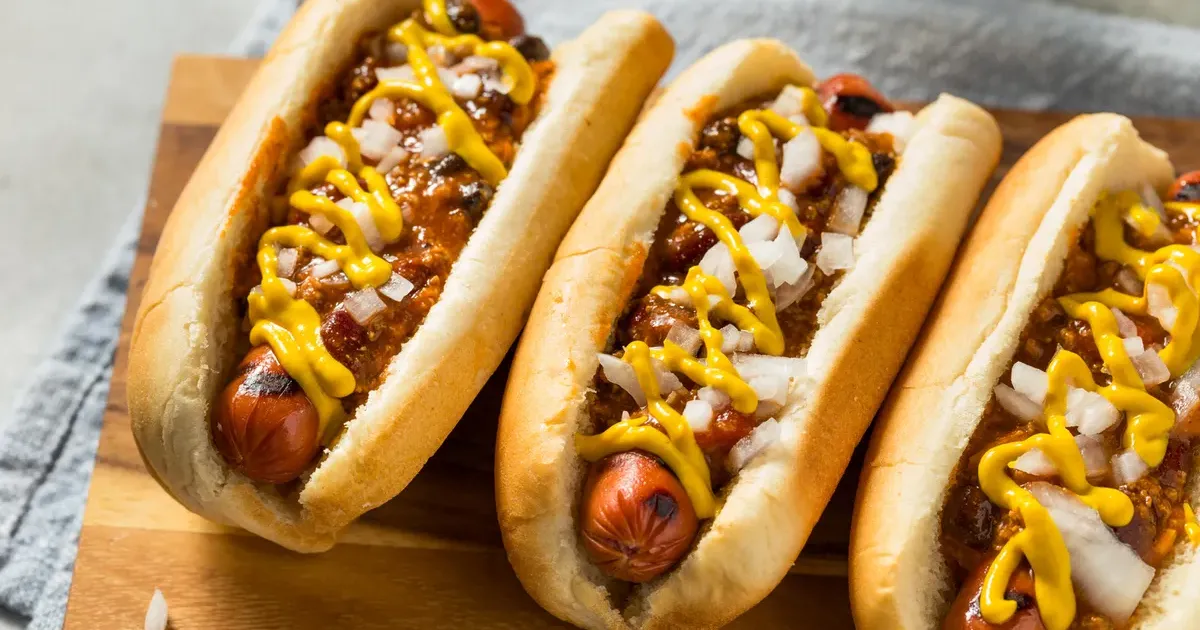
Culinary historians on March 28, 2026, identified cocoa powder as the essential component for replicating the complex profile of a traditional Coney Island meat sauce. Traditionalists often maintain that the elusive, earthy depth found in boardwalk-style chili comes from a combination of long simmering times and a specific, non-traditional additive. Modern home cooks frequently struggle to mimic the savory-sweet balance of these regional American staples, unaware that a baking aisle staple provides the necessary foundation. Adding small amounts of unsweetened cocoa powder introduces a subtle bitterness that cuts through the heavy fat content of ground beef.
Cocoa powder serves a chemical purpose beyond mere flavoring. Tannins found in the bean interact with the protein structures of the meat, creating a richer mouthfeel that mimics the collagen breakdown of more expensive cuts. Savory applications of chocolate are common in Mexican mole, yet their presence in the American Midwest remains a lesser known culinary secret. Most recipes for these sauces omit beans entirely, focusing instead on a fine-textured meat slurry that adheres to the frankfurter. Bitterness from the cocoa balances the sharp acidity of yellow mustard and the pungent bite of raw white onions.
Greek Immigrant Influence on American Chili
George Todoroff first introduced his version of the meat sauce in Jackson, Michigan, around 1914. Like many of his contemporaries, Todoroff was a Greek immigrant who used Mediterranean spices to differentiate his product from standard American beef stews. Spices like cinnamon, allspice, and cloves formed the backbone of what would eventually be known as Coney sauce. These ingredients reflect the flavor profiles of kimas, a Greek meat sauce typically served over pasta. Using cocoa powder in this context enhances the warmth of these spices without making the dish taste like a dessert.
Immigrant entrepreneurs found that the name Coney Island carried major marketing weight during the early 20th century. New York was the center of the culinary world for many working-class families, and the association with the famous amusement park suggested a premium experience. Ironically, the specific chili-topped hot dog that bears the name originated almost exclusively in Michigan, Ohio, and Indiana. George Todoroff and his peers created a regional phenomenon that shared a name with the Brooklyn coastline but a flavor profile rooted in the Aegean Sea. Consistency became the hallmark of these establishments, with recipes guarded like state secrets for generations.
Chemical Role of Cocoa in Meat Sauces
Molecular gastronomy experts suggest that the addition of cocoa powder enables the Maillard reaction at a lower temperature profile. Beef fat, when rendered slowly with cocoa, develops a deep mahogany color that is visually synonymous with authentic Coney sauce. Unsweetened varieties are mandatory for this process, as any added sugar would scorch and produce an unpleasant charred note. Polyphenols in the cocoa act as natural emulsifiers, helping the fat and liquid components of the chili stay integrated rather than separating on the bun. Stability is critical for a street food designed to be eaten by hand in a high-traffic boardwalk environment.
Flavor complexity increases as the sauce simmers over several hours. Ground beef hearts, a traditional but increasingly rare ingredient, provide a metallic tang that cocoa powder mimics through its high mineral content. Home versions using standard ground chuck often lack this specific iron-heavy finish. Chefs recommend adding the cocoa early in the browning phase to allow the oils in the powder to bloom alongside the meat.
One tablespoon of cocoa per pound of meat is typically sufficient to achieve the desired effect without overwhelming the palate.
Everything was beef hearts and spice back then, and if you did not get the spice right, you did not have a Coney.
Detroit Versus Cincinnati Sauce Profiles
Competition between rival establishments in Detroit led to two distinct schools of thought regarding the perfect Coney dog. American Coney Island and its neighbor, Lafayette Coney Island, have debated the merits of their respective sauces for over a century.
One prefers a wetter, more bean-heavy approach while the other maintains a strict, meat-only dry sauce tradition. Cocoa powder is more prevalent in the Detroit style, where the goal is a dark, thick paste that does not soak into the steamed bun. Cincinnati chili, while similar, utilizes a much higher liquid-to-meat ratio and is often a standalone dish over spaghetti.
Regional variations extend to the choice of the frankfurter itself. Michigan law historically dictated that hot dogs must contain specific percentages of skeletal meat, leading to a snap that contrasts with the soft texture of the chili. Natural casing dogs are the standard for any serious Coney enthusiast. Combining the snap of the casing with the velvety richness of a cocoa-infused sauce creates a sensory experience that defines the Midwestern boardwalk aesthetic. Purists insist that the chili must never be spicy, as heat would mask the delicate interaction of the Greek spices and the cocoa base. Balance remains the primary objective of any authentic recipe.
Home Kitchen Application of Bitter Cocoa
Achieving the correct texture at home requires a food processor or a potato masher. Large chunks of meat are anathema to a true Coney sauce, which should be nearly uniform in consistency. Simmering the meat in water or beef stock before adding the spices ensures that the proteins do not clump together. Cocoa powder should be sifted into the liquid to prevent clumping, which could lead to bitter pockets of dry powder in the final dish. Most home cooks find that the sauce tastes better the following day after the aromatic compounds have fully matured in the refrigerator.
Success in the kitchen depends on the quality of the cocoa. Dutch-processed cocoa, which has been treated with alkali to reduce acidity, is often preferred for its darker color and smoother flavor profile. Natural cocoa can be too acidic when combined with the tomato paste that is the sauce's liquid base. Small-scale experimentation allows cooks to find the exact ratio of cocoa to cumin and chili powder that suits their personal preference. Traditionalists might scoff at modern innovations, yet the use of cocoa aligns perfectly with the historical evolution of the dish. Innovation has always been the engine of American regional cuisine.
Economics play a role in the continued popularity of these recipes. Chili dogs remain an affordable luxury, providing a high-calorie, flavorful meal for a fraction of the cost of contemporary fast food. Restaurants that have survived for decades often attribute their longevity to the consistency of their sauce. Keeping the cocoa a secret allowed many vendors to maintain a competitive advantage in crowded markets. Transparency in the digital age has finally brought these techniques to the wider public, allowing the boardwalk experience to be recreated in any kitchen. Flavor, rather than location, defines the modern Coney Island legacy.
The Elite Tribune Strategic Analysis
The sudden fetishization of secret ingredients like cocoa powder in Coney Island chili reveals a deeper cultural anxiety regarding the loss of authentic regional identities. As global supply chains and digital algorithms homogenize the American palate, the frantic search for hidden culinary hacks is a desperate attempt to reclaim a sense of place. We live in a world where a Greek-inspired meat sauce from Michigan is marketed as a New York boardwalk staple, a geographical lie that has become a fundamental truth through sheer repetition. This confusion of origin is not a mistake; it is the essence of the American brand, where the myth of the product is always more valuable than the reality of its creation.
Obsessing over the addition of a single tablespoon of cocoa ignores the labor-intensive reality of the original immigrant kitchens. Those men and women were not looking for a shortcut to flavor; they were translating their heritage into a format that a xenophobic American public would consume. Using cocoa to mimic the depth of beef hearts is a compromise born of modern convenience and sanitized grocery store shelves. We have traded the grit and organ meat of the 1910s for a refined, powder-based approximation that fits neatly into a viral TikTok tutorial.
The Coney dog is no longer a meal, it is data point in a culinary landscape that values the aesthetic of tradition over the substance of history. If the secret is out, the magic is dead, leaving us with nothing but a well-seasoned hot dog and the hollow satisfaction of a replicated memory.